Ear nerve stimulation device tested in hypertension trial
A small device delivering gentle electrical pulses through the ear offers a new approach for treating stubborn high blood pressure, according to a clinical trial published in the American Heart Association journal Hypertension.
Key Clinical Takeaways:
- A handheld device using ear clips was tested on 63 patients with uncontrolled hypertension in a trial funded by the National Institute for Health and Care Research (NIHR).
- While the trial found no significant overall blood pressure reduction compared to a sham device across all participants, patients with more severe hypertension showed encouraging drops.
- Developed by Afferent Medical Solutions, the non-invasive technology uses transcutaneous autonomic neuromodulation (tAN) to target nerves in the tragus without requiring surgery.
How Does Ear Nerve Stimulation Lower Blood Pressure?
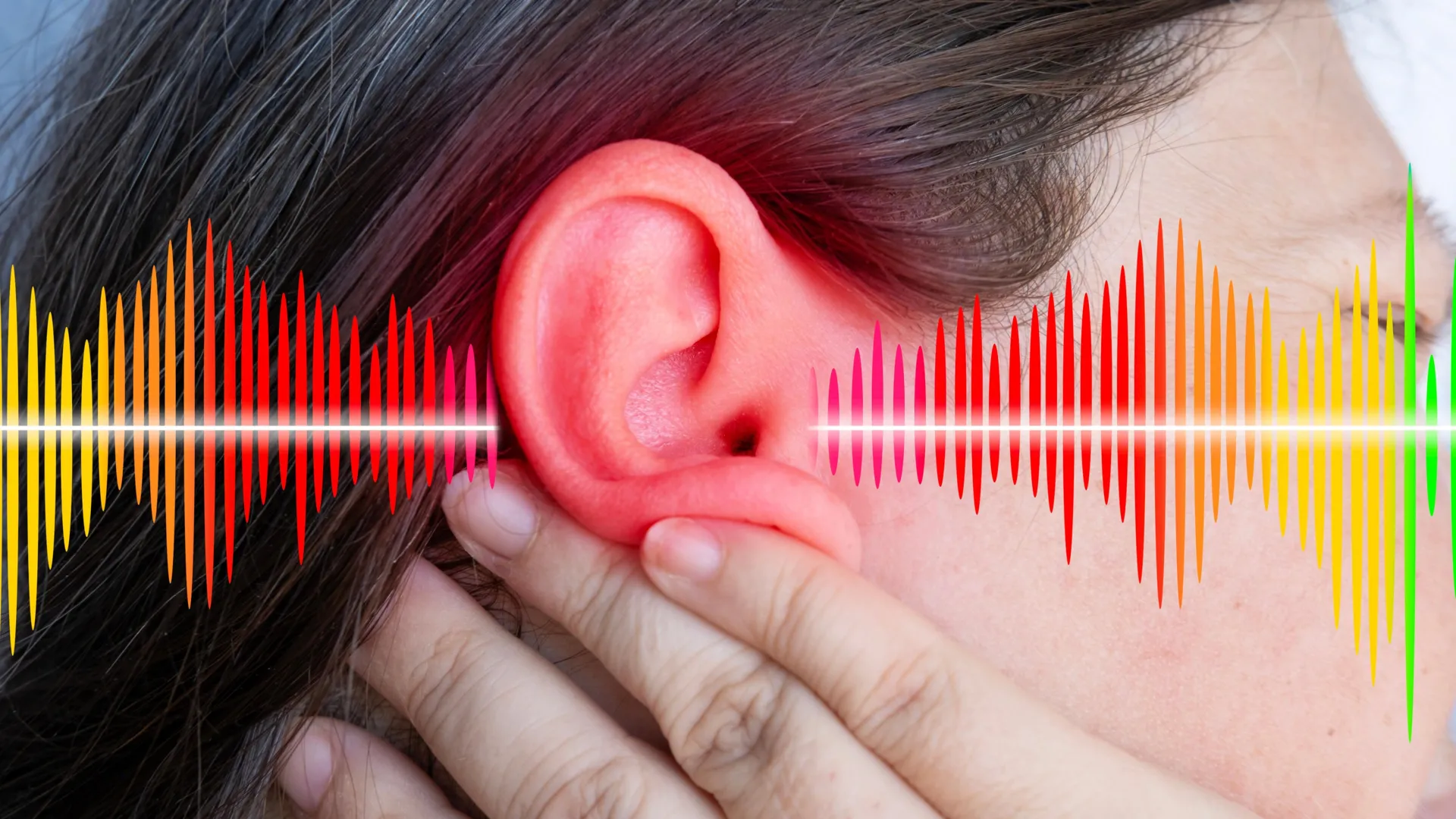
The experimental treatment uses transcutaneous autonomic neuromodulation to influence the autonomic nervous system, which automatically controls heart rate, digestion, and blood pressure. By delivering mild electrical signals to nerves in the ear, investigators aim to tap into the body’s natural regulatory mechanisms. The handheld device, created by Afferent Medical Solutions, features two small clips positioned on the tragus—the small flap of cartilage right in front of the ear canal—allowing patients to administer the therapy at home without visiting a clinic.
What Did the SCRATCH-HTN Clinical Trial Test?
The trial enrolled 63 people with uncontrolled hypertension who were already taking at least one medication. Researchers randomly divided the participants into two groups: one receiving active nerve stimulation and the other using a sham comparison device. Participants used the equipment for 30 minutes daily for the first two weeks, then reduced sessions to once per week for the following 10 weeks. The treatment proved safe, well-tolerated, and practical for home use.
Why Did Severe Hypertension Cases Show Different Results?
Comparing blood pressure changes across the entire study population revealed no statistically significant difference between active stimulation and the sham device. However, a prespecified subgroup analysis showed a greater reduction in blood pressure among participants who entered the trial with more severe hypertension. Dr. Ajay Gupta, chief investigator, clinical reader at Queen Mary University of London, and consultant physician at Barts Health NHS Trust, noted that while the trial did not achieve significance across the broad unselected group, those with more severe hypertension exhibited a clear blood pressure reduction in the active group compared to sham.
What Are the Next Steps for the Research?
Larger clinical trials are required to confirm whether the approach provides meaningful benefits and to identify which patient groups respond best. Researchers emphasize that the current findings represent an early step rather than proof of a definitive new treatment, though the technology points toward important new research directions in non-invasive neuromodulation.
Disclaimer: The information provided in this article is for educational and scientific communication purposes only and does not constitute medical advice. Always consult with a qualified healthcare provider regarding any medical condition, diagnosis, or treatment plan.