
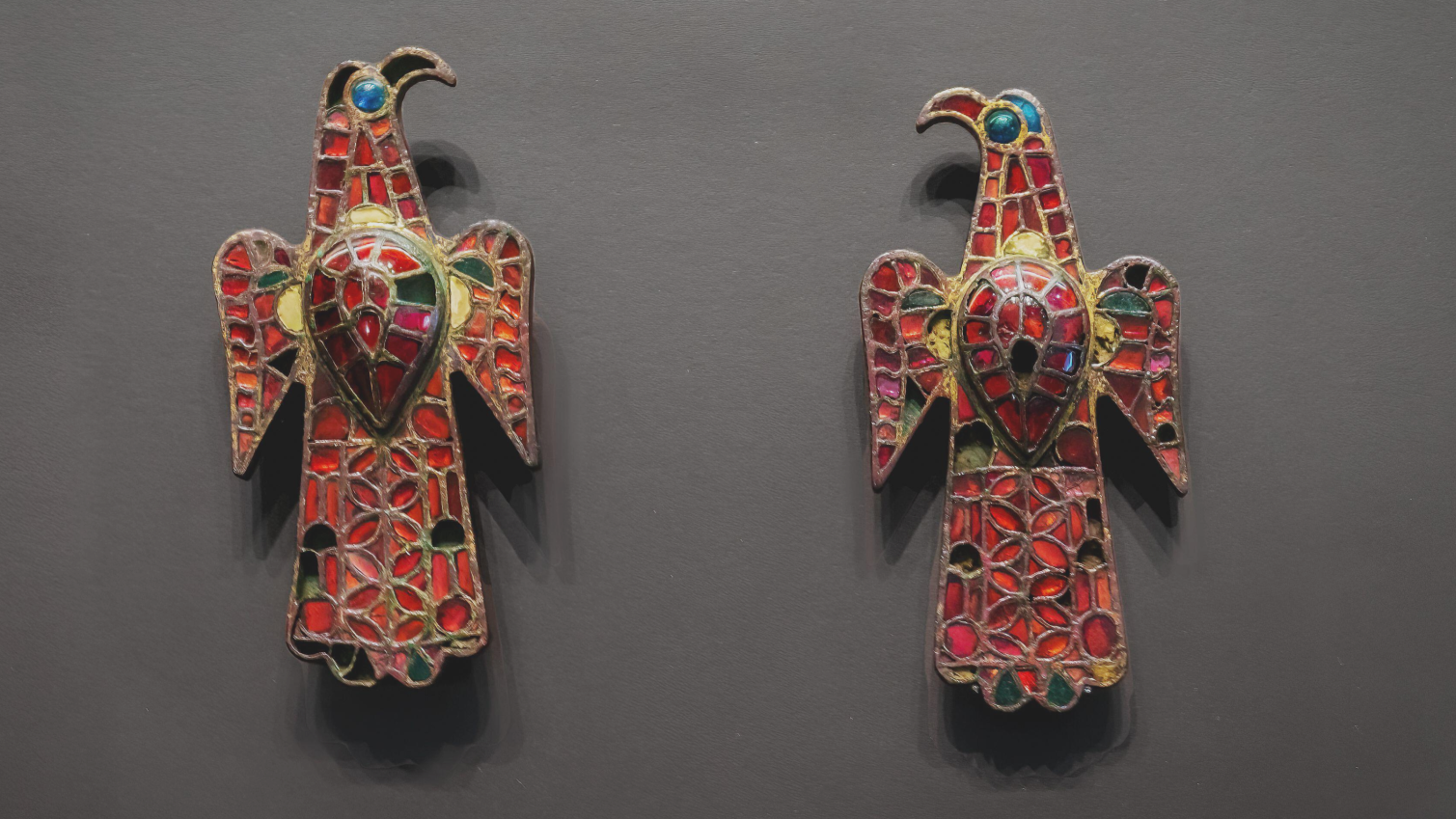
1,500-Year-old Gem-Studded Brooches Reveal Clues to Powerful Women in Visigothic Spain
ALOVERA,SPAIN – A stunning collection of 1,500-year-old eagle brooches,recently re-examined by archaeologists,are shedding new light on the status and influence of women during the visigothic period in Spain. The intricately crafted pins, adorned with dazzling gems and glass, were discovered in the Alovera cemetery and are believed to have secured the clothing of high-ranking women, potentially even royalty.
These discoveries offer a rare glimpse into a society where women enjoyed comparatively progressive legal rights – including the ability to inherit land, hold titles, and choose their own husbands – as codified in the Visigothic Code established around the mid-seventh century. While past records detailing the lives of powerful Visigothic women remain scarce, the opulence of these brooches suggests a level of wealth and authority previously underestimated. The findings underscore the ongoing effort to reconstruct the roles of women in early medieval Europe and highlight the potential for future archaeological work to reveal further details about this captivating period.
The eagle brooch, a symbol of power and prestige, was a common accessory among the Visigoths, a Germanic people who ruled much of the Iberian Peninsula from the 5th to the 8th centuries. According to Cornell University PressS Art and Architecture of the Middle Ages (2023), the pins were likely used to fasten women’s garments at the shoulder.The Walters Art Museum notes that similar brooches have been identified as serving this purpose.
However, determining the precise identity of the brooch owners remains a challenge. Despite the Visigothic code granting women significant legal autonomy – they “were allowed to inherit land and titles and could arrange their own marriages,” as historian Suzanne Fonay Wemple documented - only a limited number of powerful visigoth women are known to history, primarily through their connections to the royal family.
The lack of detailed excavation records from the Alovera cemetery, conducted a century ago, further complicates the picture. As noted in a recent article published by RACO, this absence of rigorous documentation means it may be impossible to definitively confirm whether the brooches belonged to a Visigothic queen or other elite woman. Still,the exquisite craftsmanship and rich ornamentation of these artifacts continue to captivate researchers and offer tantalizing clues about the lives of women in Visigothic Spain.
