
Neanderthal Butchery Reveals Deep-Seated Cultural Traditions
Ancient Bone Scars Show Distinct Styles in Animal Processing
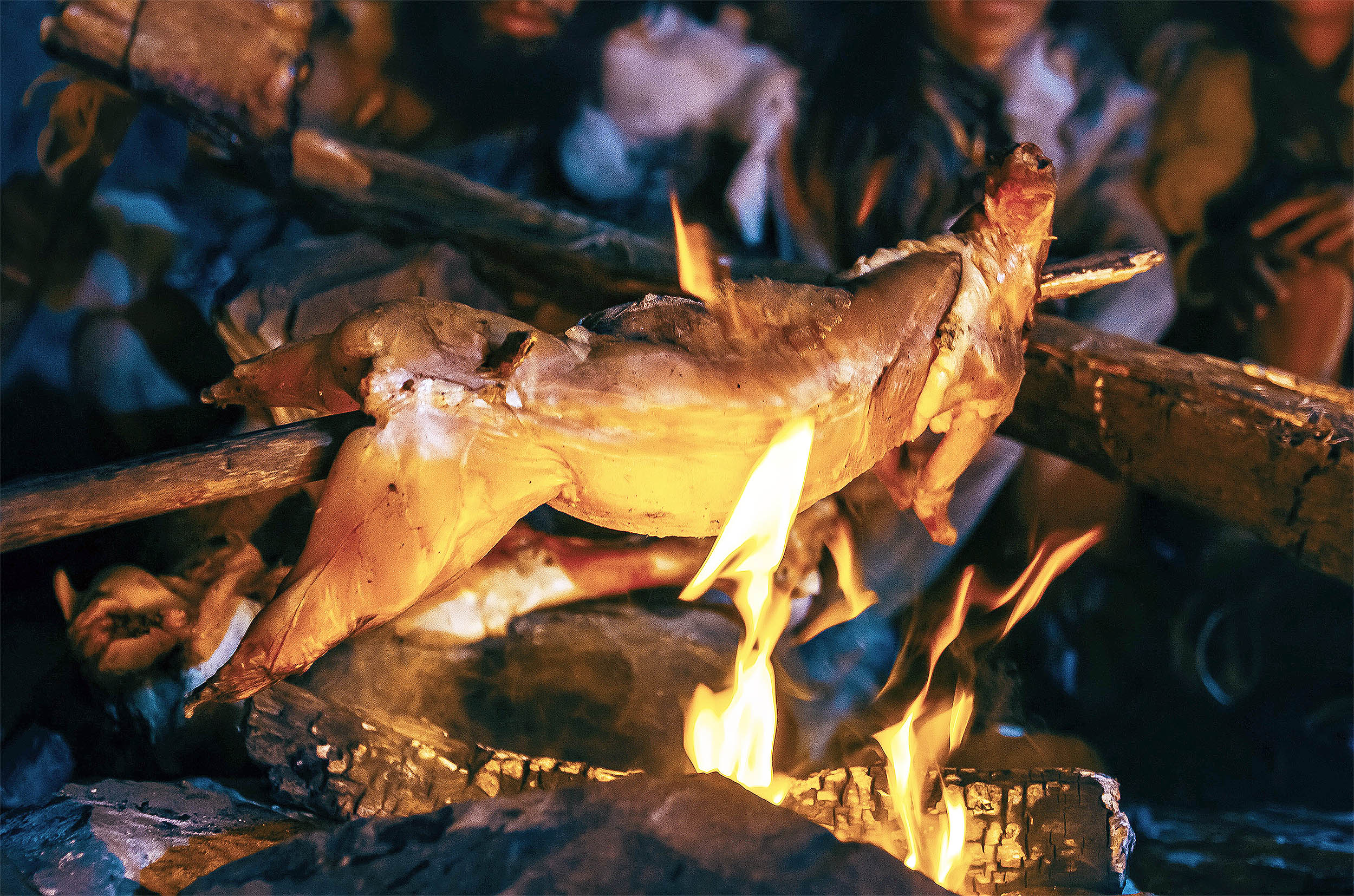
Two distinct Neanderthal communities, living just 43 miles apart in northern Israel, left behind remarkably different patterns of butchered animal bones. Despite sharing the same hunting grounds for gazelles and fallow deer, utilizing similar flint tools, and cooking over comparable hearths, their methods of processing animal carcasses diverged significantly.
Deciphering the Scars of the Past
Analysis of over 11,000 bone fragments from Amud and Kebara caves revealed stark contrasts. At Amud, a striking 40% of the bones showed signs of burning, compared to just 9% at Kebara. The Amud fragments, often shattered into small pieces, displayed dense, overlapping cut marks, indicative of forceful, repeated strokes. In contrast, Kebara’s bone fragments were larger, with longer, straighter knife scars, suggesting a more delicate slicing technique.
“The subtle differences in cut mark patterns between Amud and Kebara may reflect local traditions of animal carcass processing,” explained **Anaëlle Jallon**, lead author of the study and a PhD candidate at the Hebrew University of Jerusalem.
Divergent Hunting and Processing Strategies
The researchers found that Neanderthals at Amud cave primarily focused on smaller game that could be transported whole. However, those at Kebara cave frequently brought larger carcasses back to the site before dismembering them. These behavioral differences might be linked to their distinct butchery techniques.
A 3D surface microscope revealed that while both groups used similar flint points, the resulting cut marks differed in size and angle. Amud’s cuts averaged 1.9 mm in length and were more numerous per square centimeter, with wider opening angles suggesting repeated hacking motions. Kebara’s cuts were longer at 3.4 mm but less frequent, with shallower angles indicating cleaner slices.
Tradition Over Technique: The Social Learning Hypothesis
The study suggests that these butchery differences are not due to varying skill levels, as experimental archaeology indicates novice butchery appears more chaotic. Instead, the consistent styles within each cave over time point towards social learning, where skills and practices were passed down through generations.
“Even though Neanderthals at these two sites shared similar living conditions and faced comparable challenges, they seem to have developed distinct butchery strategies,” **Jallon** noted. One hypothesis is that the Amud Neanderthals may have aged or dried their meat, leading to tougher tissues that required more forceful, shorter cuts.
The prevalence of burnt bones at Amud could also play a role. Repeated roasting can make bone more brittle, forcing butchers to hack rather than slice. The clustering of hearths near living surfaces at Amud, with ash layers suggesting frequent refuse burning, contrasts with Kebara’s more contained hearths and less burnt bone, implying quicker cleanups or different cooking habits.
Cultural Identity Beyond Borders
Despite the close proximity of the two sites, there is no direct evidence that these Neanderthal groups interacted. The consistent cut mark patterns within each cave over multiple occupation layers suggest that distinct traditions were maintained, possibly through seasonal returns to the same locations across generations.
This enduring stability in butchery practices highlights the capacity for Neanderthal groups to maintain unique cultural identities, even without obvious geographical barriers or direct contact. This adds to a growing body of evidence portraying Neanderthals as adaptable and creative foragers, rather than a monolithic species.
Earlier research indicated that Levantine Neanderthal groups exhibited distinct food preferences, favoring gazelles over deer even when both were available, a choice likely influenced by a mix of taste, perceived risk, and cultural tradition. Similar regional variations have been observed in their stone tool making, use of birch tar for glue, and pigment application.
The analysis of cut marks now provides crucial insight into Neanderthal food preparation, bridging the gap between the act of hunting and the final consumption of meals. Researchers are now exploring chemical traces on bones, microscopic wear on tools, and isotopic analysis to further unravel the mysteries of Neanderthal culinary practices. Studies at nearby sites, like Ein Qashish, may reveal whether similar butchery signatures emerge, helping to map out these ancient cultural landscapes.
The findings were published in the journal Frontiers in Environmental Archaeology.
