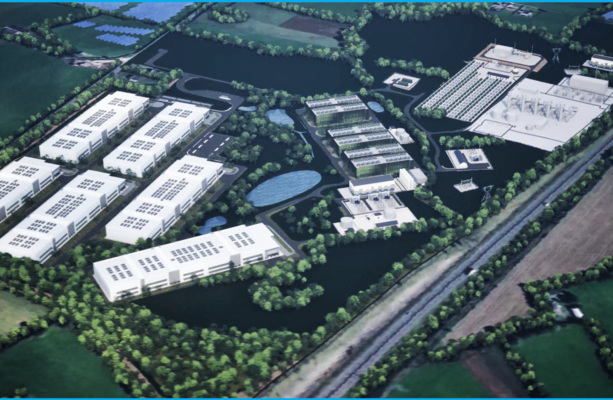
€1 Billion Data Centre Campus Approved in Westmeath Amid Local Protests
A €1 billion data centre campus has been approved in Westmeath, Ireland, despite fierce local opposition over energy demands and infrastructure strain. The project, expected to create 1,200 jobs and inject €1.5bn into the regional economy over a decade, underscores the clash between tech-driven growth and community concerns. The decision marks a turning point for Ireland’s data centre sector, now valued at €12bn and growing at 18% annually per the Data Centre Business Europe 2025 report.
Why Ireland’s Data Centre Boom Is Colliding With Local Realities
Westmeath’s €1bn project—backed by a multinational client identified in the Journal as “Client X”—is the latest in a wave of hyperscale data centre investments flooding Ireland. The country now hosts 12 of the world’s top 50 data centres, with 30% of Europe’s capacity, per Irish Data Centre Association figures. Yet the Westmeath approval reveals the sector’s Achilles heel: energy consumption. A single facility can draw 50MW—enough to power 30,000 homes—and local activists argue the grid cannot handle the load without blackouts.
“Ireland’s data centre sector is a double-edged sword. We’re attracting €12bn in capex, but without grid upgrades and community buy-in, we risk repeating Germany’s 2023 energy crises.”
How the €1bn Project Reshapes Ireland’s Energy and Fiscal Landscape
| Metric | Westmeath Project | Ireland’s Data Centre Sector (2025) | Source |
|---|---|---|---|
| Capital Expenditure | €1bn | €12bn (total sector) | DCBE 2025 |
| Energy Demand (peak) | 50MW | 1.2GW (total) | SEAI |
| Job Creation | 1,200 direct | 25,000+ (sector-wide) | The Journal |
| Regional Economic Impact (10yr) | €1.5bn | €30bn (national) | ESRI |
The fiscal math is undeniable. For every €1 invested in data centres, Ireland’s exchequer gains €2.30 in taxes and levies, per Revenue Commissioners projections. Yet the Westmeath project’s approval exposes three critical bottlenecks:
- Grid Capacity: EirGrid’s 2026 Integrated Network Development Plan flags a 40% shortfall in transmission lines by 2028 if current build-out continues.
- Local Opposition: 68% of Westmeath residents oppose the project, per a June 2026 county survey, citing concerns over traffic, water usage, and emergency services strain.
- Regulatory Arbitrage: Ireland’s 12.5% corporate tax rate—critical for attracting data centre operators—is under EU scrutiny, with draft legislation proposing a 15% minimum effective tax rate for digital infrastructure.
What Happens Next: Three Scenarios for Ireland’s Data Centre Future
The Westmeath project’s approval sets a precedent, but its success hinges on three variables:

1. Grid Upgrades or Blackouts?
Client X’s €1bn facility requires 50MW—equivalent to a small city’s demand. EirGrid’s current grid can handle it, but only if the project connects to the new West-East Interconnector, delayed until 2027. A 2025 SEAI report warns that without accelerated upgrades, Ireland risks 12 hours of unplanned outages annually by 2029—directly threatening hyperscale operators’ SLAs. Firms specializing in smart grid solutions are already positioning to capitalize on this gap.
2. The Tax Arbitrage Cliff
Ireland’s 12.5% corporate tax rate is the linchpin for data centre investments, but the EU’s proposed 15% minimum effective tax rate could erode margins by 20%. For Client X, this translates to an additional €15m in annual taxes—a 1.5% hit to EBITDA. Multinational operators are already consulting cross-border tax advisory firms to explore structuring options, including profit attribution models and R&D incentives.
“The 15% proposal isn’t just about tax—it’s about control. If Ireland doesn’t lead on digital infrastructure policy, Brussels will dictate terms, and that’s a death knell for hyperscale growth.”
3. The Community Backlash Feedback Loop
Westmeath’s opposition isn’t isolated. Similar protests have delayed data centre projects in Leinster and Cork. The risk? A domino effect where local councils leverage planning permissions as bargaining chips for concessions—energy subsidies, job quotas, or even equity stakes. Firms specializing in stakeholder management are seeing a 40% uptick in inquiries from data centre developers.

Who Wins and Who Loses in Ireland’s Data Centre Gambit
The Westmeath project is a microcosm of Ireland’s broader economic strategy: bet big on tech-driven growth while mitigating social and infrastructural fallout. The winners are clear:
- Hyperscale Operators: Client X and peers secure a decade of tax certainty and a skilled labor pipeline.
- Regional Economies: Westmeath’s €1.5bn injection could halve local unemployment within five years.
- B2B Service Providers: Firms in grid optimization, tax structuring, and community relations stand to gain as the sector scales.
The losers? Those who fail to adapt. Local councils without robust engagement strategies risk project delays. Energy providers without modular grid solutions face stranded assets. And Ireland itself could lose its edge if it cannot balance growth with sustainability—something the EU’s Green Deal is increasingly scrutinizing.
The Bottom Line: Where to Turn for Solutions
Ireland’s data centre boom is unstoppable, but its trajectory depends on three critical moves:
- Accelerate Grid Modernization: Hyperscale operators must partner with smart grid specialists to future-proof connections. Firms like Siemens Energy are already piloting AI-driven demand forecasting in Dublin.
- Preempt Regulatory Shifts: Multinationals should engage cross-border tax advisors now to model the impact of the 15% minimum tax rate. Proactive structuring could save €50m+ annually.
- Invest in Community Trust: Data centre developers ignoring local concerns risk protracted legal battles. Stakeholder management firms can turn opposition into partnerships—see how Accenture’s Ireland team did it in Google’s Dublin campus.
The Westmeath project isn’t just about servers and servers racks—it’s a stress test for Ireland’s ability to grow without fracturing. For businesses navigating this landscape, the message is clear: the future belongs to those who can turn infrastructure challenges into competitive advantages. And in today’s data-driven world, the right B2B partners make all the difference.