
Khankhuuluu Mongoliensis: New Dinosaur Species Rewrites Tyrannosaur Evolution
Table of Contents
- Khankhuuluu Mongoliensis: New Dinosaur Species Rewrites Tyrannosaur Evolution
- Evolutionary Shift: From Agile Hunters to Apex Predators
- Continental Connections: The Role of Land Bridges
- Rewriting the Tyrannosaur Family Tree
- Museum Collections: A Treasure Trove of Knowledge
- Before the Kings, There Were Princes
- The Cretaceous Period: A Time of Giants
- Frequently asked Questions About Tyrannosaurs
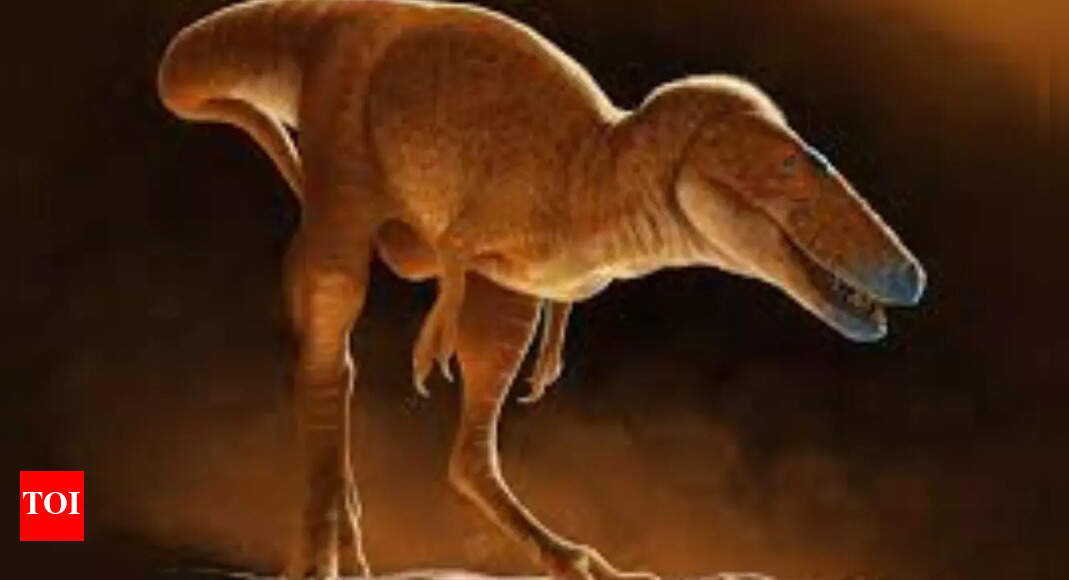
A groundbreaking fossil discovery in Mongolia has revealed a new dinosaur species, Khankhuuluu Mongoliensis, perhaps reshaping our understanding of Tyrannosaur evolution. This 86-million-year-old predator, whose name translates to “Dragon Prince of Mongolia,” is considered the closest-known ancestor to the fearsome Tyrannosaurus rex. The find bridges a crucial evolutionary gap between smaller, agile hunters and the massive apex predators that dominated the Late Cretaceous period.
Evolutionary Shift: From Agile Hunters to Apex Predators
Khankhuuluu Mongoliensis represents a pivotal shift from agile predators to the bulkier, more powerful giants of the Late Cretaceous. Possessing stronger jaws and a larger build than its predecessors, this dinosaur exemplifies how evolution favored size and strength over time. These adaptations eventually paved the way for the dominance of species like T. rex, capable of taking down massive prey and even crushing bones. According to a 2023 study in *Paleobiology*, the bite force of Tyrannosaurus Rex is estimated to be 8,000 pounds, enough to shatter bones.
Did You Know? The name Tyrannosaurus rex means “tyrant lizard king,” reflecting its status as one of the largest and most formidable predators to ever walk the Earth.
Continental Connections: The Role of Land Bridges
Another significant insight from this discovery is the role of ancient land bridges between Asia and North America. During the Late Cretaceous period, regions like Siberia and Alaska were connected, allowing species like Tyrannosaurs to migrate and evolve in new environments. This movement spurred the emergence of distinct groups on different continents, explaining how similar predators could be found in both Asia and North America. The Bering Land Bridge, which connected asia and North America multiple times throughout history, played a crucial role in the dispersal of various animal species National Park Service.
Rewriting the Tyrannosaur Family Tree
with the addition of Khankhuuluu Mongoliensis to the fossil record, paleontologists now have a clearer picture of Tyrannosaur evolution. It fills a key gap between the small early forms and the gigantic predators that followed. The findings,originally published in the journal *Nature*,may prompt scientists to revisit other old fossils that may have been misclassified.This discovery serves as a reminder that sometimes the answers to big questions have been waiting quietly in storage.
Pro tip: Museum collections are invaluable resources for scientific discovery. New technologies and fresh perspectives can unlock major breakthroughs from existing specimens.
Museum Collections: A Treasure Trove of Knowledge
What makes this story even more remarkable is that the fossil had been housed in a Mongolian museum for over 40 years.It highlights the immense value of museum collections and how new techniques, fresh perspectives, and even young researchers can uncover major breakthroughs from existing specimens.Not every discovery requires a dig; some are hidden in plain sight.
Before the Kings, There Were Princes
The discovery of Khankhuuluu Mongoliensis offers a rare glimpse into the early days of a dynasty. While this dinosaur lacked the size or fearsome presence of its famous descendants,it carried the building blocks of what would become one of Earth’s most iconic predators. As Professor Zelenitsky stated, “Before Tyrannosaurs became the kings, they were princes.” This “Dragon Prince” may be the missing link we didn’t know we needed.
| Feature | Khankhuuluu Mongoliensis | tyrannosaurus Rex |
|---|---|---|
| Age | 86 million years old | 68-66 million years old |
| Size | Smaller than T. rex | Up to 40 feet long |
| Significance | Transitional form in Tyrannosaur evolution | Apex predator of the late Cretaceous |
| Location | Mongolia | North America |
How might this discovery influence future paleontological expeditions? What other secrets might be hidden within museum collections around the world?
The Cretaceous Period: A Time of Giants
The Late cretaceous period, spanning from approximately 100 to 66 million years ago, was a time of significant evolutionary change and diversification. Dinosaurs dominated terrestrial ecosystems, and the period witnessed the rise of iconic species like Tyrannosaurus rex and Triceratops.The breakup of the supercontinent Pangaea led to the formation of distinct landmasses, influencing the distribution and evolution of various animal groups. The end of the cretaceous period was marked by a catastrophic extinction event, likely caused by an asteroid impact, which wiped out approximately 76% of plant and animal species on Earth Natural History Museum.
Frequently asked Questions About Tyrannosaurs
-
What did Tyrannosaurs eat?
Tyrannosaurs were primarily carnivores, preying on large herbivores such as hadrosaurs and ceratopsians. They also scavenged on dead animals.
-
How fast could Tyrannosaurs run?
Estimates of Tyrannosaur running speed vary, but most scientists believe they could reach speeds of around 10-25 miles per hour.
-
Where did Tyrannosaurs live?
Tyrannosaurs lived in North America and Asia during the Late Cretaceous period.
-
How long did Tyrannosaurs live?
Tyrannosaurs are estimated to have lived for around 28 years.
Eager to learn more about prehistoric life? Share this article and join the discussion below!
