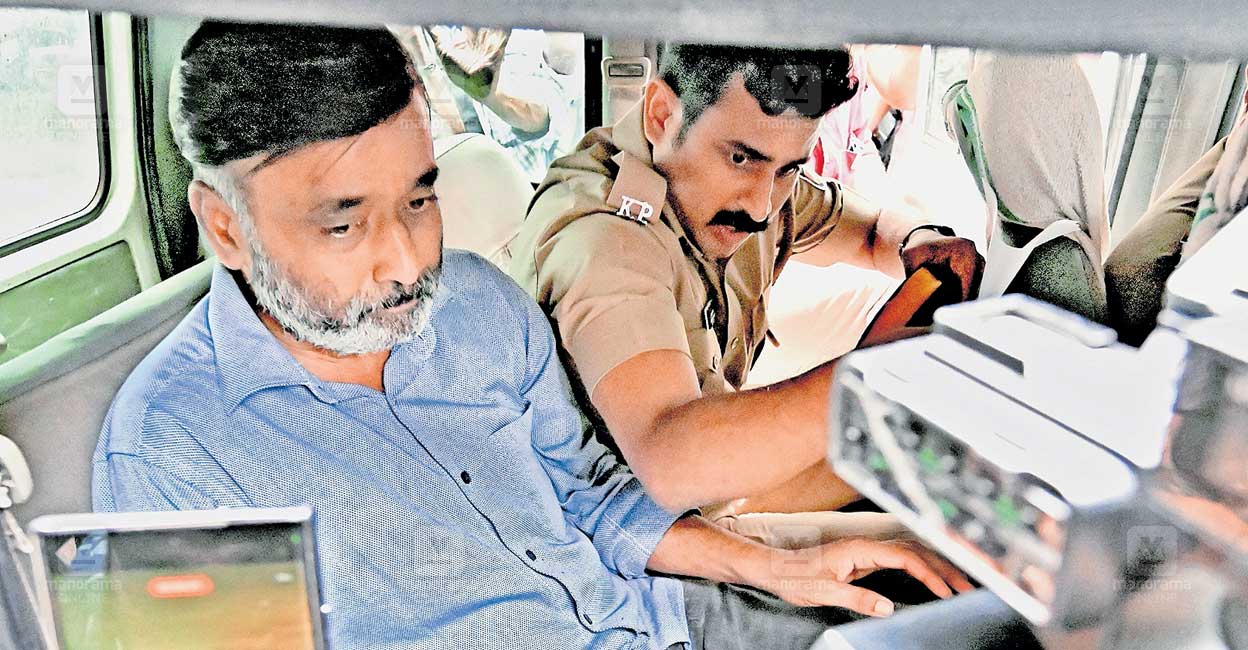
Dr. Ram Case: Home Department Dissatisfied Over Crime Branch Lapses and Bail
<>
Procedural Lapses and the Scrutiny of State Oversight
Despite the gravity of the allegations, the initial handling of the case by the Crime Branch has drawn intense criticism. Internal dissatisfaction within the Home Department has reached a critical threshold, leading to the formation of a new investigative team tasked with untangling the complexities of the case.
Ramesh Chennithala, a prominent voice in the opposition, has formally requested a detailed report from the DGP regarding the circumstances that led to Dr. Ram’s earlier release by the court. The central question remains: how did a suspect under such intense scrutiny manage to evade capture for over 100 days while allegedly engaging in sophisticated identity deception?
The Anatomy of a 100-Day Evasion
Reports indicate that Dr. Ram’s time in hiding was characterized by meticulous efforts to obscure his identity. His eventual arrest occurred under dramatic circumstances—as his wife pleaded with investigators, the suspect surrendered to authorities. This moment of public capitulation has served only to highlight the mounting frustrations of the investigating agencies tasked with tracking his movements.
The state government’s insistence on a fresh investigative team suggests a lack of confidence in the initial operational strategy.
Navigating the Legal and Administrative Fallout
The demand for accountability from the Home Department signals a shift in the state’s approach to the case. By requesting a report on the court’s decision to grant bail, the authorities are effectively putting the entire investigative process under the microscope.
The investigation is now entering a new phase, characterized by heightened scrutiny and a total restructuring of the personnel involved.
Ensuring Institutional Integrity
As the state moves forward, the focus will remain on the efficacy of the new investigative team and the transparency of the report requested from the DGP.