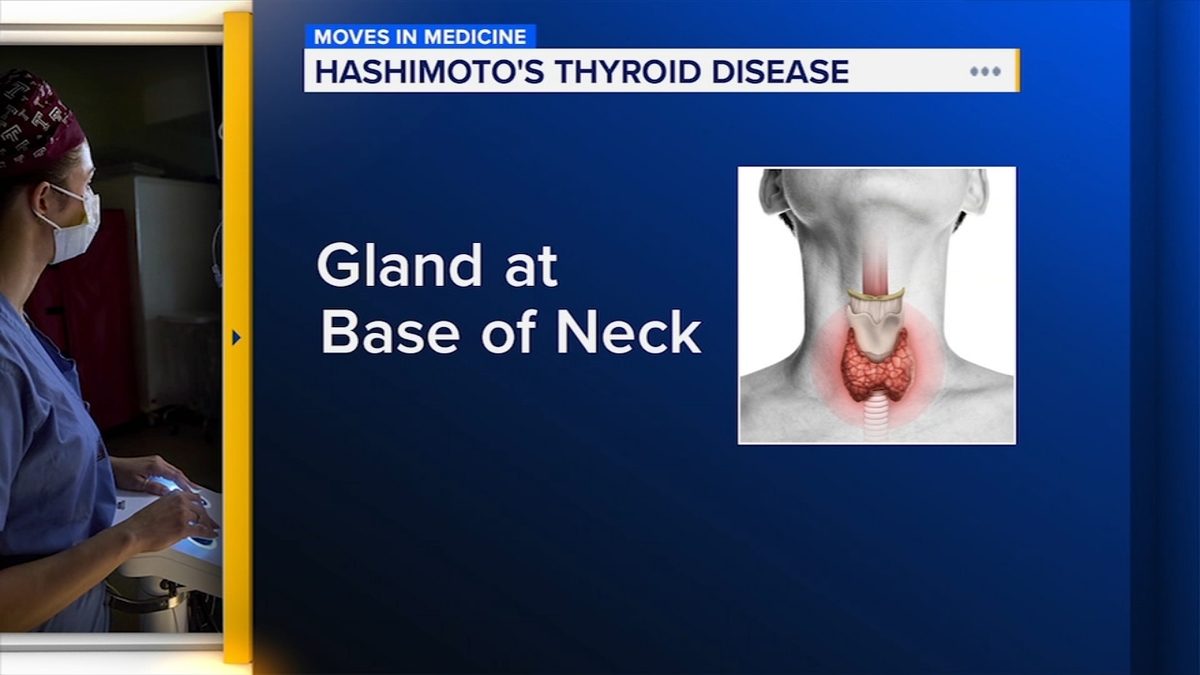
Dr. Kristin Criner Explains Hashimoto’s Thyroiditis Diagnosis and Treatment
Fatigue, dry skin, inability to lose weight. It could be menopause or chronic fatigue – but maybe it’s Hashimoto’s thyroiditis.
Those symptoms prompted Eileen McDonnell of Chalfont, Pennsylvania, to seek answers during a yearly medical exam four years ago when she felt worn down by a busy work and family life, reported.
Key Clinical Takeaways:
- Hashimoto’s thyroiditis is an autoimmune condition where the immune system attacks the butterfly-shaped thyroid gland at the base of the neck.
- The condition commonly affects women and is typically diagnosed between the ages of 30 and 60.
- Diagnosis generally relies on TSH and serum-free T4 blood tests, with daily thyroid hormone replacement pills serving as the standard medical solution.
Goiter and Blood Tests Confirm Hashimoto's Disease
McDonnell’s routine examination uncovered a physical sign that shifted her diagnostic path. Medical staff felt a goiter at her throat, which led to a follow-up ultrasound revealing several thyroid nodules. Subsequent blood tests confirmed Hashimoto’s disease.
Dr. Kristin Criner, a Temple Health endocrinologist, explains that the condition stems from the autoimmune destruction of the thyroid gland. The body’s immune system mistakenly attacks the gland, driven by potential triggers that include genetics, environmental factors, infections, stress, or radiation exposure.
The disorder predominantly impacts women. Diagnosis occurs most frequently between the ages of 30 and 60, with the peak prevalence concentrated between 30 and 50 years.
Vague Symptoms Overlap with Other Medical Conditions
The clinical presentation of Hashimoto’s thyroiditis involves vague symptoms that vary significantly from one patient to another. Common indicators include fatigue, intolerance to cold, weight gain, dry skin, brittle nails, hair loss, and constipation. Patients may also experience muscle or joint aches, stiffness, or swelling of the thyroid.
These manifestations frequently overlap with other medical conditions. Dr. Criner notes that the disease can be easily mistaken for depression, chronic fatigue syndrome, fibromyalgia, anemia, other autoimmune disorders, or menopause.
Confirming the diagnosis typically involves two primary blood tests: measuring thyroid-stimulating hormone (TSH) and serum-free T4 levels.
Daily Replacement Pills Maintain Hormone Levels
Once diagnosed, the standard treatment involves daily thyroid replacement pills to make up for the hormones the gland no longer produces in sufficient quantities. McDonnell reports that taking replacement medication for the past four years has kept her condition stable and provided the necessary energy to exercise, making weight control and daily scheduling more manageable.
Because thyroid hormones regulate significant metabolic functions throughout the entire body, Dr. Criner stresses that consistent medication adherence is essential. Patients require regular checkups to monitor hormone levels and adjust dosages as necessary over time.
McDonnell advises anyone experiencing persistent, unexplained symptoms to seek a professional evaluation rather than ignoring them, noting that the underlying issue can often be managed through straightforward medical care.