DR Congo Ebola Cases Exceed 7,000 as Outbreak Spreads to New Province
Confirmed Ebola virus disease cases in the Democratic Republic of the Congo have surpassed 7,000, according to government data released in September 2026, marking a critical acceleration in an outbreak driven by the Bundibugyo strain. Per public health institutes and international reports, the epidemic has now expanded to a seventh province, South Ubangi, compounding severe operational hurdles for medical teams on the ground.
- Total confirmed Ebola infections in the Democratic Republic of the Congo reached 7,022, according to official government reports from September 2026.
- The outbreak, involving the Bundibugyo strain, has officially expanded to seven provinces, with South Ubangi becoming the latest affected region in the northwest.
- Public health institutes and international reports indicate that community deaths account for roughly 60 percent of weekly fatalities, underscoring persistent barriers to early clinical detection and patient isolation.
Epidemiological Spread and Strain Characteristics
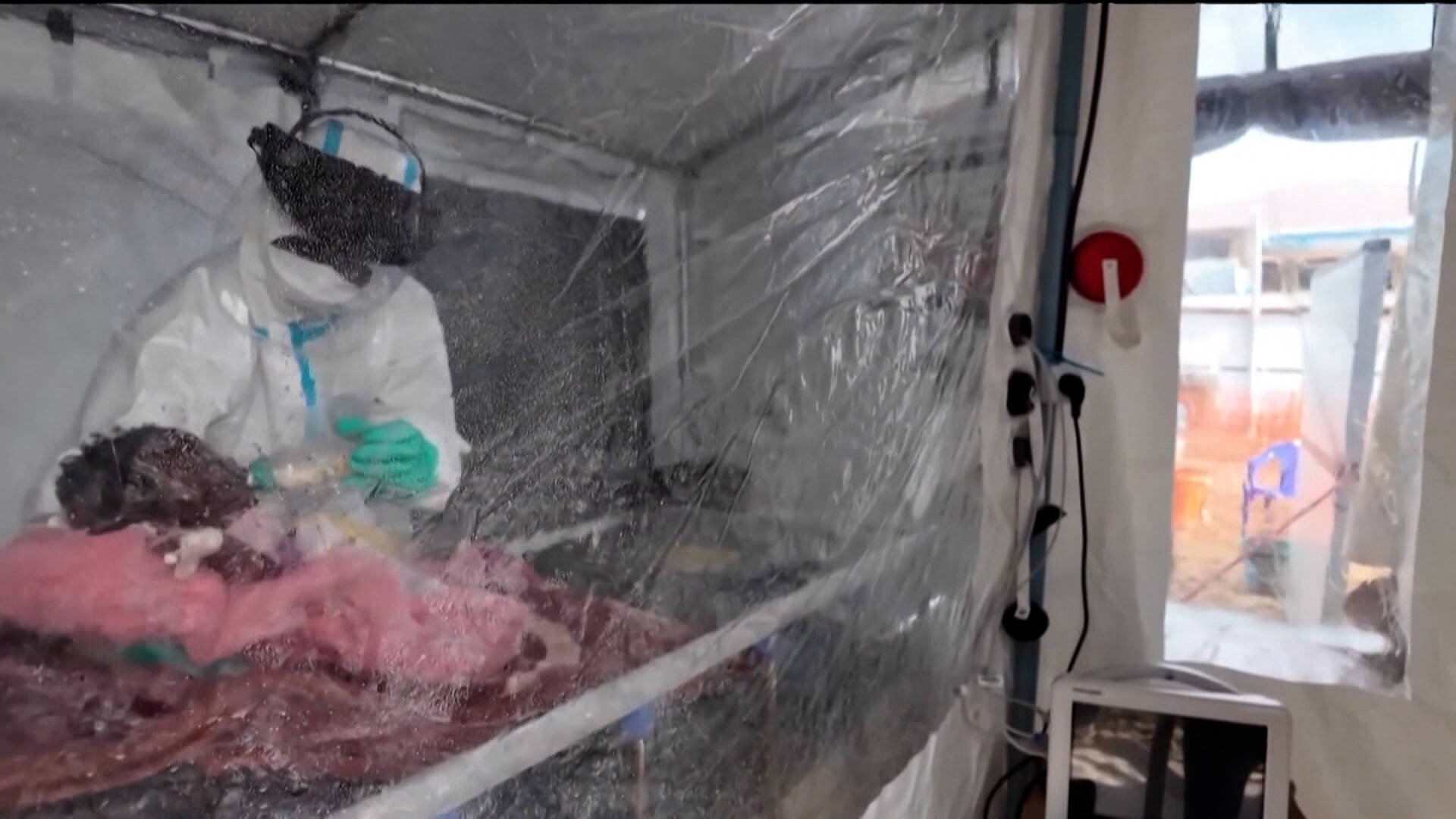
The current outbreak centers heavily on Ituri province, which accounts for approximately 85 percent of cases and 79 percent of deaths, according to World Health Organization updates. Transmission rates have outpaced historical responses, recording a daily average of roughly 90 confirmed cases during the initial three-month window. This velocity surpasses patterns observed during the 2014-2016 West Africa epidemic and the 2018-2020 Democratic Republic of the Congo outbreaks in the region. Medical workers operating in hotspots like Butembo’s Mutiri quarter face distinct challenges regarding the pathogenesis of the Bundibugyo strain, requiring rigorous personal protective equipment protocols and rapid molecular diagnostic deployment.

For healthcare institutions and clinical facilities managing potential imported infectious threats, maintaining stringent diagnostic protocols is critical.
Operational Bottlenecks and Community Mortality Rates
Public health reporting highlights a dangerous disparity between facility admissions and community outcomes. Data covering a six-week period revealed that community deaths—individuals passing away outside established Ebola treatment centers—constitute about 60 percent of the 260 weekly fatalities. This metric points directly to delayed case identification, community hesitancy, and acute access deficits driven by regional conflict and population displacement. Addressing these vulnerabilities requires robust community engagement strategies, which have already reached over 2.5 million individuals, alongside expanded contact tracing that improved from nine percent in the opening week to 84 percent by mid-August.

Laboratories across the affected zones have scaled processing capabilities from a single site to 19 operational facilities capable of handling more than 3,000 samples daily. Treatment bed capacity has similarly expanded from under 10 beds to more than 1,300 units, supported by infection prevention protocols across more than 900 local health facilities.
Clinical Trials and the Path Forward
Scientific efforts are running parallel to containment operations, incorporating clinical trials for potential therapeutics, evaluations of candidate vaccines, and the deployment of emergency-listed molecular diagnostic tests tailored for the Bundibugyo strain. International partners and national authorities continue to harmonize cross-border surveillance along the Congo River to intercept potential transmission. Halting the epidemic depends heavily on sustained resource mobilization and community-led response frameworks.
*Disclaimer: The information provided in this article is for educational and scientific communication purposes only and does not constitute medical advice. Always consult with a qualified healthcare provider regarding any medical condition, diagnosis, or treatment plan.*