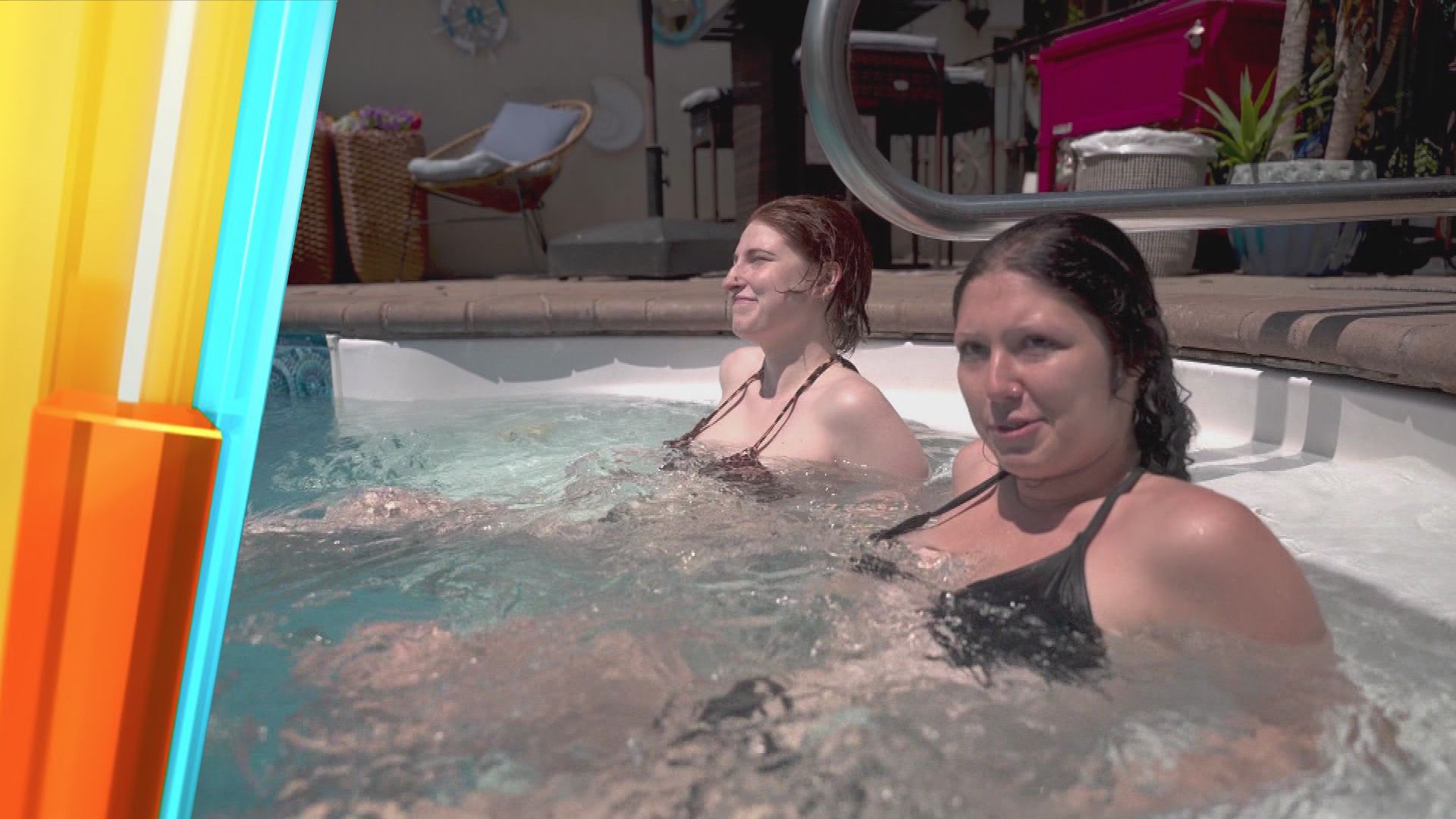
NYC Heatwave: Overcrowded Public Pools Face Hygiene Challenges
New York City municipal officials are facing a severe urban infrastructure dilemma as prolonged heatwave conditions push public aquatic facilities past their maximum operational capacity, according to local reports tracking public health and recreational resources. As extreme ambient temperatures drive residents toward municipal cooling systems, public pools are grappling with severe overcrowding, forcing city administrators to reevaluate crowd management protocols, sanitation schedules, and water safety standards to prevent waterborne morbidity and heat-related illnesses.
Key Clinical Takeaways:
- Extreme urban heatwaves in New York City have driven unprecedented crowds to municipal pools, straining local infrastructure and hygiene protocols.
- Overcrowded public aquatic facilities elevate the transmission risk of dermatological and gastrointestinal pathogens if chemical treatment and filtration cycles are compromised.
- Vulnerable populations, including pediatric and geriatric cohorts, face heightened susceptibility to thermal stress and hyperthermia during peak heat index days.
Epidemiological Pressures of Urban Heatwaves
Prolonged exposure to high ambient temperatures triggers significant physiological strain, particularly thermoregulatory challenges that can lead to heat exhaustion or heatstroke if unmanaged. According to epidemiological data tracked by the Centers for Disease Control and Prevention, urban heat islands exacerbate these physiological risks by trapping thermal mass within dense concrete environments. When municipal recreational spaces become overcrowded, the capacity for individuals to cool down diminishes, while the density in shared water bodies increases the potential for pathogen exposure, such as Cryptosporidium and Pseudomonas aeruginosa.
Public health agencies emphasize that maintaining optimal free chlorine levels and pH balance is critical when visitor turnover rates peak. Failure to maintain these chemical parameters in high-bather-load environments can compromise standard disinfection protocols, leading to outbreaks of recreational water illnesses. Municipal facilities must balance open access for cooling relief with strict adherence to water quality monitoring guidelines outlined by public health authorities.
Clinical Triage and Community Vulnerability Management
Managing the health fallout of acute heat events requires coordinated intervention across community health networks and municipal agencies. For individuals exhibiting early symptoms of heat-related illness—such as dizziness, heavy perspiration, tachycardia, or nausea—immediate relocation to air-conditioned environments is essential. Patients with pre-existing cardiovascular or respiratory conditions are particularly vulnerable during extended heatwaves, as thermal stress places an additional hemodynamic burden on the heart.
To ensure proper diagnostic evaluation and preventive care during seasonal temperature spikes, residents are advised to consult with primary care clinicians or utilize local health resources. For specialized guidance on managing heat sensitivity or chronic conditions exacerbated by environmental stress, patients should connect with a vetted [Relevant Clinic/Professional/Service] to establish an individualized safety plan.
Furthermore, municipal agencies looking to reinforce public health compliance and manage infrastructure strain can benefit from professional oversight. Engaging a qualified [Relevant Clinic/Professional/Service] ensures that operational adaptations meet rigorous regulatory standards for public safety and sanitation.
Infrastructure Resilience and Public Health Outlook
The strain on New York City swimming facilities highlights a broader vulnerability in urban climate resilience. As seasonal temperatures continue to test municipal infrastructure, public health frameworks must adapt to more frequent and intense heat events. Integrating real-time water quality sensors and automated filtration adjustments will be crucial for maintaining safety standards without unduly restricting public access.
Addressing these systemic challenges requires ongoing collaboration between urban planners, environmental health specialists, and clinical advisors. To explore comprehensive health assessments or coordinate community wellness initiatives during high-risk weather periods, individuals and administrators should consult an experienced [Relevant Clinic/Professional/Service] to support long-term regional health stability.
*Disclaimer: The information provided in this article is for educational and scientific communication purposes only and does not constitute medical advice. Always consult with a qualified healthcare provider regarding any medical condition, diagnosis, or treatment plan.*