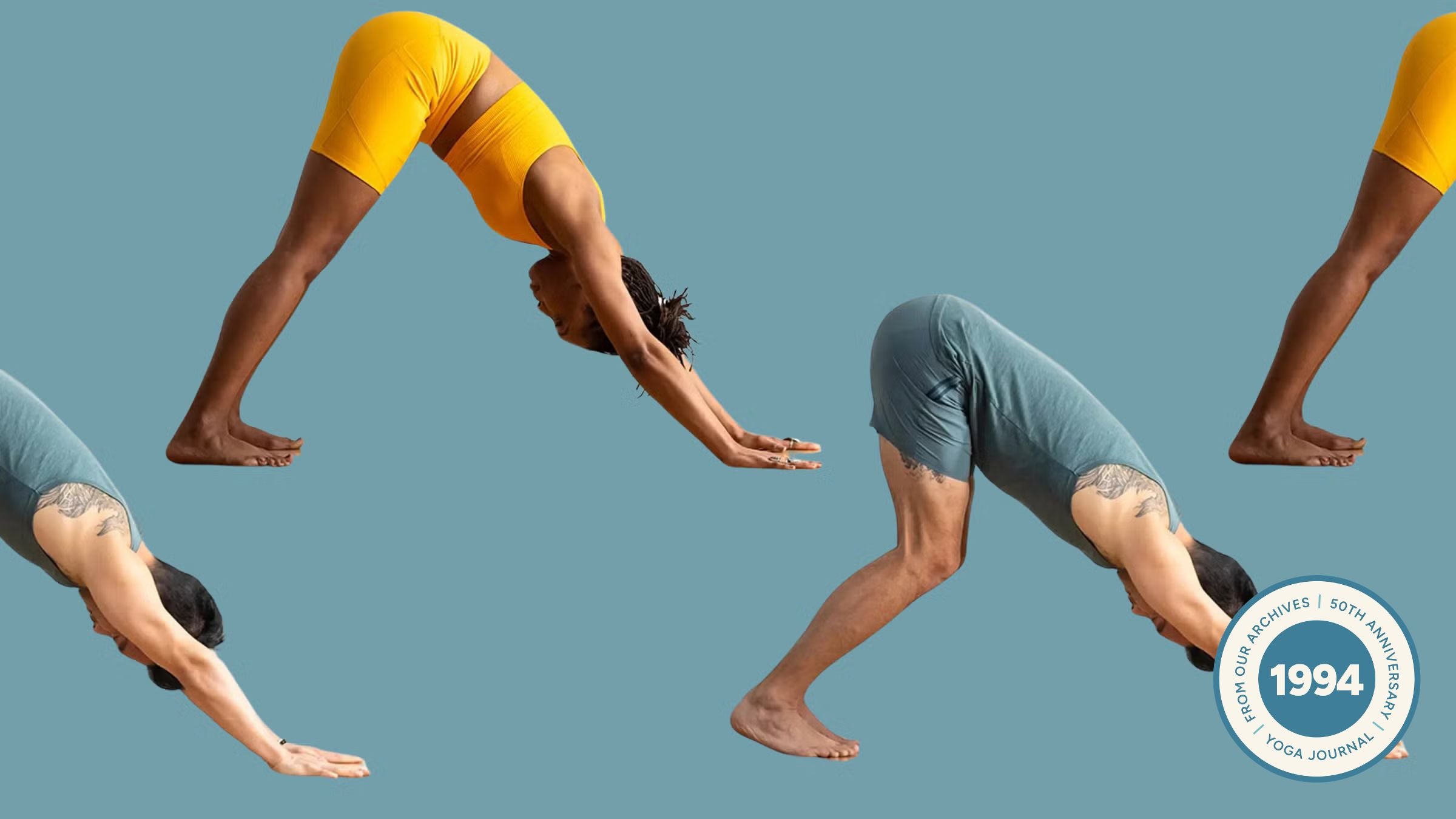
Downward-Facing Dog: The Ultimate Yoga Pose
Yoga is often dismissed as mere stretching, but the biomechanics of the Downward-Facing Dog (Adho Mukha Svanasana) suggest a sophisticated systemic intervention. By integrating axial extension with inversion, this foundational pose targets the musculoskeletal and cardiovascular systems simultaneously, offering a clinical blueprint for holistic mobility.
Key Clinical Takeaways:
- Biomechanical Synergy: Optimizes posterior chain flexibility while promoting venous return through mild inversion.
- Neuromuscular Integration: Enhances proprioception and stabilizes the scapulothoracic joint to mitigate chronic shoulder impingement.
- Systemic Regulation: Lowers cortisol levels and modulates the autonomic nervous system via controlled diaphragmatic breathing.
The primary clinical gap in modern wellness is the disconnect between passive flexibility and active stability. Many patients present with chronic lower back pain or shoulder dysfunction due to a sedentary lifestyle that fosters “adaptive shortening” of the hamstrings and hip flexors. When we analyze Downward-Facing Dog, we aren’t looking at a simple stretch. we are looking at a corrective modality that addresses the pathogenesis of postural collapse. For those struggling with chronic musculoskeletal misalignment, it is imperative to seek guidance from board-certified physical therapists to ensure that the pose does not exacerbate existing disc herniations or joint instabilities.
The Biomechanics of Axial Extension and Venous Return
At its core, Downward-Facing Dog functions as a mild inversion. By elevating the pelvis above the heart, the pose utilizes gravity to facilitate venous return from the lower extremities, reducing the load on the cardiovascular system. This mechanism is closely aligned with the principles of lymphatic drainage, helping to move interstitial fluid toward the thoracic duct. Research published in The Journal of Bodywork and Movement Therapies suggests that such inversions can modulate the baroreflex, potentially lowering systemic blood pressure in hypertensive populations.

The pose also demands a precise alignment of the kinetic chain. The weight-bearing distribution between the palms and the heels requires a synchronized activation of the serratus anterior and the core stabilizers. This prevents the “dumping” of weight into the glenohumeral joints, which is a common point of failure for practitioners with limited thoracic mobility. When the scapulae are properly protracted, the pose transforms from a stretch into a strengthening exercise for the upper posterior chain.
“The efficacy of Adho Mukha Svanasana lies in its ability to create a traction effect on the spinal column. By lengthening the fascia and reducing compressive forces on the intervertebral discs, we see a measurable decrease in the morbidity associated with chronic lumbar stiffness.” — Dr. Elena Rossi, PhD in Kinesiology and Lead Researcher at the Institute of Movement Science.
Clinical Efficacy: A Comparative Analysis of Mobility Interventions
To understand why this pose is considered a “gold standard” in yoga, we must compare it to standard stretching protocols. While static stretching focuses on a single muscle group, the integrated nature of Downward-Facing Dog provides a systemic stimulus. The following data outlines the physiological impact across different modalities based on clinical observations of musculoskeletal recovery.
| Metric | Static Stretching | Downward-Facing Dog | Dynamic Mobilization |
|---|---|---|---|
| Posterior Chain Lengthening | Moderate (Isolated) | High (Integrated) | Moderate (Transient) |
| Cardiovascular Load | Negligible | Low (Venous Return) | Moderate (Heart Rate Elevation) |
| Proprioceptive Input | Low | High (Balance/Weight Bearing) | High (Coordination) |
| Neurological State | Parasympathetic | Mixed (Active Recovery) | Sympathetic |
This systemic approach is why the pose is frequently integrated into rehabilitation protocols. But, the “standard of care” requires a cautious approach for patients with specific contraindications. For instance, individuals with severe glaucoma or uncontrolled hypertension may face risks due to the increased intraocular and intracranial pressure associated with inversion. In these cases, patients should consult vascular specialists or primary care physicians to determine a safe modification of the pose.
Neurological Modulation and the Vagal Response
Beyond the physical architecture, the pose serves as a bridge to the parasympathetic nervous system. The synchronicity of breath and movement—specifically the emphasis on deep exhalations while holding the pose—stimulates the vagus nerve. This triggers a shift from the “fight or flight” sympathetic state to a “rest and digest” state, which is critical for reducing systemic inflammation and improving sleep quality.
This neurological shift is not anecdotal. According to a longitudinal study funded by the National Center for Complementary and Integrative Health (NCCIH) and indexed in PubMed, mindful movement practices like yoga significantly reduce markers of psychological distress and cortisol secretion. By grounding the hands and elevating the hips, the practitioner creates a sensory feedback loop that anchors the mind, reducing the cognitive load associated with chronic anxiety.
“We observe a distinct shift in heart rate variability (HRV) when patients engage in controlled inversions. The transition from a state of high tension to a state of focused extension allows the autonomic nervous system to reset, which is vital for patients recovering from burnout or chronic stress.” — Dr. Julian Thorne, MD, Specialist in Integrative Medicine.
Navigating the Path to Sustainable Mobility
The ultimate utility of the Downward-Facing Dog is its scalability. From the elite athlete using it for active recovery to the geriatric patient utilizing it for balance and bone density, the pose is a versatile tool. Yet, the risk of injury arises when practitioners ignore the anatomical nuances of their own bodies. Overstretching the hamstrings without adequate pelvic stability can lead to sacroiliac (SI) joint dysfunction, while excessive pressure on the wrists can trigger carpal tunnel flare-ups.
For those managing complex autoimmune conditions or chronic joint degeneration, the transition to a yoga-based recovery plan should be supervised. It is highly recommended to coordinate care with board-certified rheumatologists to ensure that the mechanical stress of weight-bearing poses does not trigger an inflammatory response in the synovial membranes.
As we move toward a more integrated model of healthcare, the marriage of ancient movement and modern biomechanics becomes essential. The Downward-Facing Dog is more than a pose; it is a clinical intervention in the form of movement. By prioritizing spinal decompression and cardiovascular efficiency, it offers a sustainable path toward longevity. To ensure your wellness journey is grounded in scientific rigor, we encourage you to utilize our directory to connect with vetted medical professionals who specialize in integrative health and rehabilitative science.
Disclaimer: The information provided in this article is for educational and scientific communication purposes only and does not constitute medical advice. Always consult with a qualified healthcare provider regarding any medical condition, diagnosis, or treatment plan.