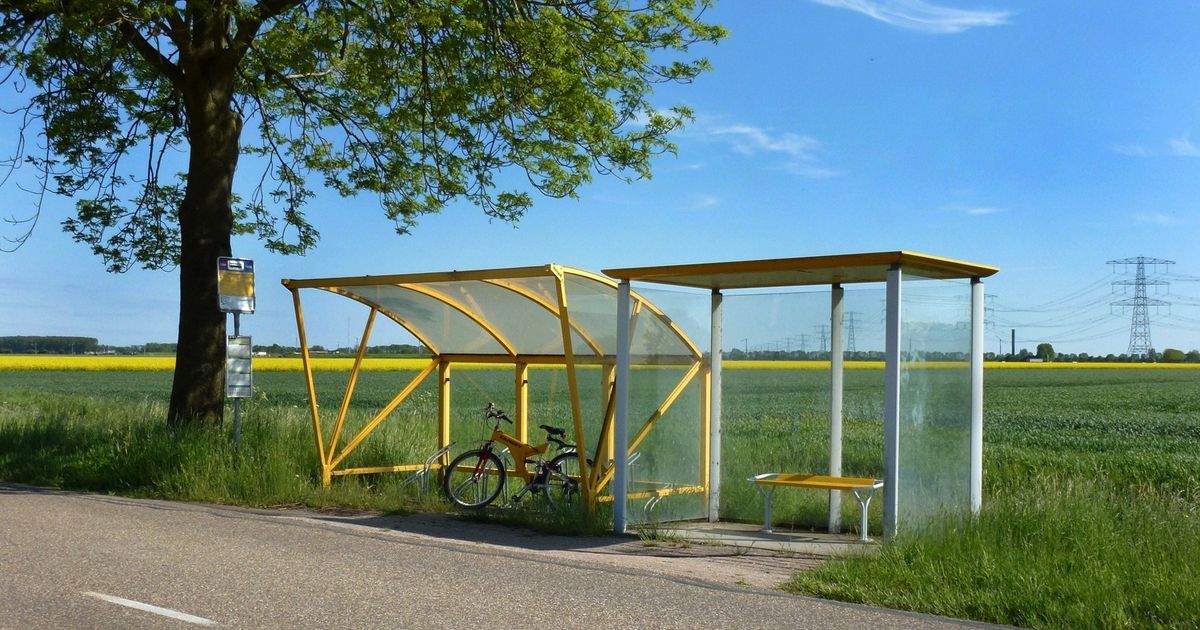
DOVA data shows thousands of bus stops vanished across Netherlands since 2020
Noordenveld ziet bushaltes verdwijnen: openbaar vervoer steeds verder uitgedund. Exactly 39,525 active bushaltes remain across the Netherlands as of late September 2026, down from 40,704 stops recorded in 2020, according to national halt data analyzed by the ANP from the Cooperative of Decentralized Public Transport Authorities (DOVA). That represents a nationwide decline of nearly three percent over a six-year period.
How Regional Networks Contrast Across Provinces
The contraction of local transit manifests unevenly across different regions, with northern and eastern provinces bearing a heavier reduction in stops than urban centers. Within Drenthe, Midden-Drenthe lost 51 stops, wiping out more than 27 percent of its 2020 network. Between 2020 and 2026, Drenthe lost 281 bushaltes, representing a decrease of over 13 percent, making the province’s decline more than four times the national average. DOVA manages its data alongside transport operators, road managers, and public transport authorities, with the Central Halt Register (CHB) containing information on stop locations and accessibility.
By contrast, the province of Utrecht and parts of Brabant show a more moderate overall decline, though specific municipalities report notable cuts. Omroep Brabant reported that Brabant lost 106 bushaltes over the same six-year window, bringing its total down to 5,130 stops compared to 5,236 halts in 2020.
Why Transit Authorities Reshape Routes
Bus operators and regional authorities have progressively altered route designs to achieve higher operational efficiency. Tim van Wershoven, a traffic expert at Breda University of Applied Sciences, explained to Omroep Brabant that public transport has faced continuous budget pressures since the 2000s. To cut costs and speed up journeys, operators frequently straighten routes so that buses bypass smaller residential neighborhoods and outlying villages.
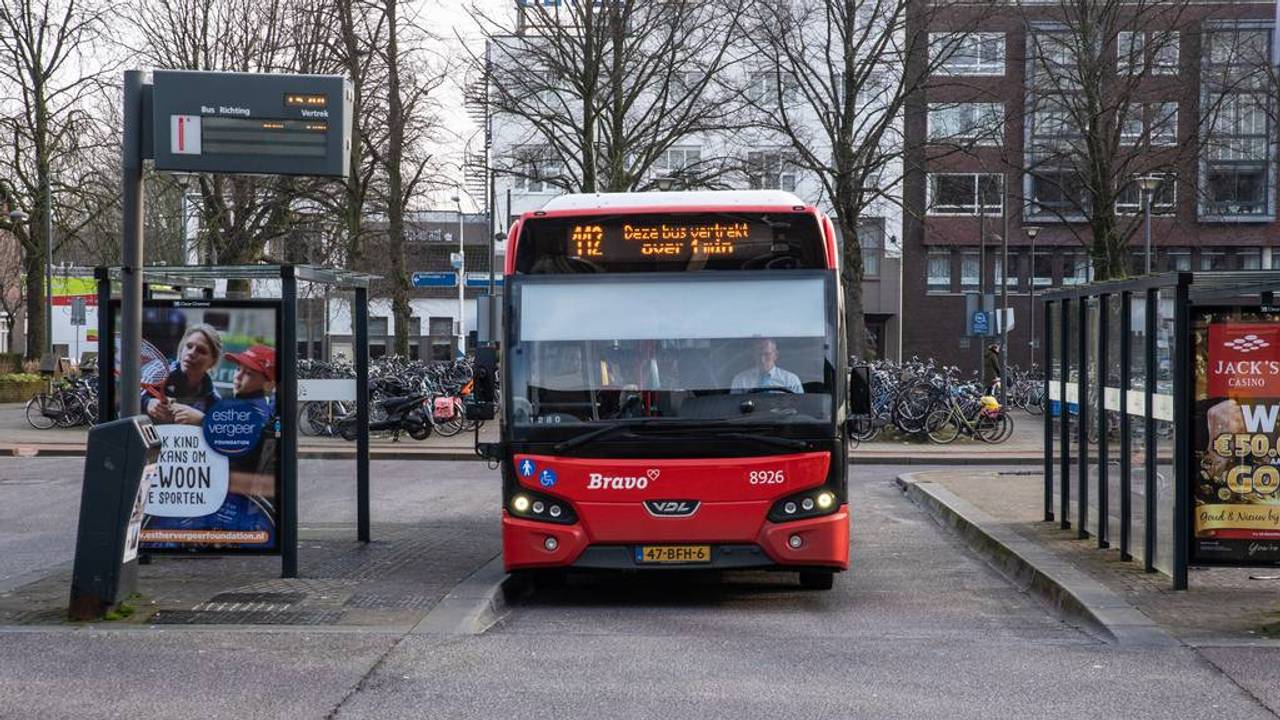
This network streamlining creates a faster ride for through-passengers, but it forces boarding passengers to walk longer distances to reach remaining stops. In Groninger Dorpen, local advocates expressed deep concern over this trend, arguing that rural inhabitants face total isolation when the bus no longer drives directly through their village, as reported by RTV Noord. Van Wershoven further noted that geriatrisch isoleren
(isolating the elderly) occurs because older residents are less inclined to use shared scooters or shared bicycles to reach a bus stop, noting that dit is een trend die al langer gaande is
.
Transport planners warn of a self-reinforcing downward spiral. As fewer stops remain available, ridership drops further, which in turn prompts transport authorities to scale back services even more. Van Wershoven added: Hopelijk kunnen we Nederland bereikbaar houden
, though he warned that more stops are expected to be cut, especially in villages where residents are moving away.

What Lies Ahead for Rural Communities
The ongoing decline in rural transit infrastructure leaves municipal governments and provincial planners searching for workable solutions to maintain regional mobility. Without dedicated local transport coordination or expanded flexible shuttle services, communities facing severe network reduction often turn to specialized mobility consultants and regional planners to design alternative transit schemes that bridge the gap left by traditional bus lines.
Not only Roden, but also Norg, Peize, Veenhuizen, Nietap, Nieuw-Roden, Een, smaller core settlements, and the outlying rural areas belong to the same network where the loss of a single stop carries relatively heavy consequences. In approximately half of all Dutch municipalities, fewer bus stops stood recorded than six years prior.
The gap between urban transit investments and rural service contraction continues to widen as transport authorities balance tight operating budgets against the legal and social obligations of maintaining regional connectivity.