
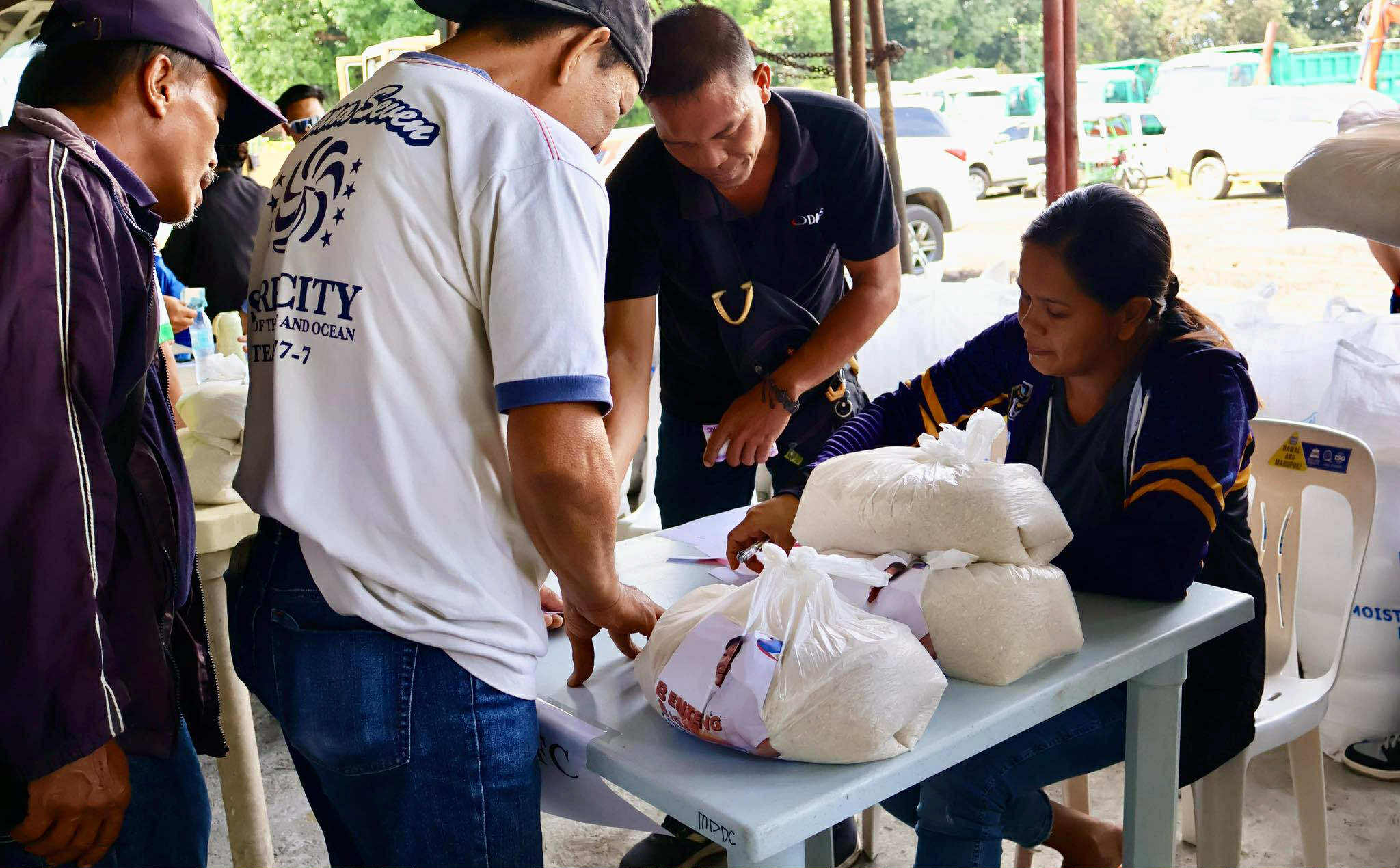
Philippines Rethinks Push for Ultra-Cheap Rice
DOST Chief Cites Inflation, Production Costs as Obstacles
The Philippines may need to adjust its goal of selling rice at ₱20 per kilo, as economic realities and production inefficiencies present significant challenges. Officials are now exploring alternative strategies.
Production Efficiency Is Key
Maintaining the ₱20 price point until 2030 is not feasible, according to Department of Science and Technology (DOST) Secretary Renato Solidum Jr., who spoke at the 47th Annual Scientific Meeting (ASM). However, Solidum suggested maintaining equivalent value while reducing production costs is possible.
“We have to look at that in a long-term perspective and P20 have to be accounted also with inflation over time,”
Solidum said. His objective is to make local production costs competitive with other countries, and he believes technology can help.
One potential strategy involves clustering farms to boost efficiency throughout the value chain, a focus of the Department of Agriculture’s current rice program, says Solidum.
“You have to look at the whole value chain, different strategies improving the whole value chain,”
he stated.
Importing to Stabilize Prices
President Ferdinand “Bongbong” Marcos Jr. isn’t aiming for total self-sufficiency in rice production; the Philippines will continue to rely on imports, according to Solidum. Marcos is targeting 95% sufficiency.
[The President] mentioned several times [that] they’re only aiming for 95%. We know also that whether we like it or not, we have to import rice.
Solidum said some rice varieties cannot be grown locally.
According to recent data, rice inflation in the Philippines reached 24.4% in May 2024, highlighting the urgency to address affordability (Statista).
Exportation as Future Strategy
The Philippines should aim to export rice in the future to boost farmer profitability, which is the DOST’s ultimate objective, Solidum said. Exportation could offset imports of cheaper varieties.
“Besides that, we have to start exporting rice in the future to make it profitable for our farmers,”
he added.
