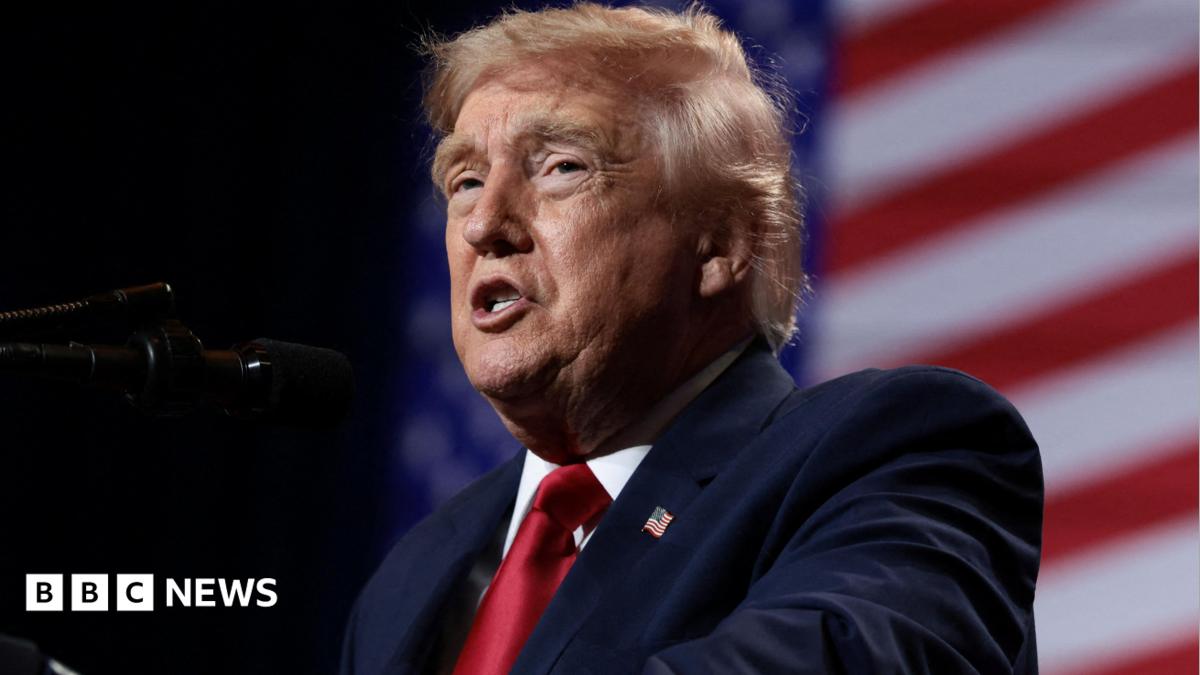
Donald Trump Says He Would Love to See a United Ireland
On September 12, 2026, during a high-profile visit to Dublin, US President Donald Trump told reporters he would love to see a united Ireland and suggested the constitutional change “may as well happen now.” The unexpected remarks delivered alongside Irish Prime Minister Micheál Martin immediately triggered sharp pushback from the UK government and Northern Ireland’s unionist leaders, breaking with decades of careful American diplomatic neutrality.
Dublin Press Conference Sets Off Transatlantic Political Repercussions
The controversy unfolded at the start of a two-day Irish trip centered primarily around a golf tournament at Trump’s resort in Doonbeg, County Clare.
“I think it would be a great feather in everybody’s cap if that happened. You know what? The way I look at it, it’s going to happen eventually. It may as well happen now.”
The unification of Northern Ireland with the Republic of Ireland would be fantastic, Trump added, acknowledging that the UK would obviously have a voice in the matter. Later on Saturday, Trump reflected on the remarks, admitting that there was no good answer to questions regarding Irish unity but reiterating that he considered it a very cool thing.
These off-the-cuff statements diverged significantly from the traditional posture maintained by previous US administrations. Former leaders, including those with direct Irish heritage like Joe Biden, historically maintained strict neutrality regarding the constitutional future of the island, preserving the delicate diplomatic balance established by international accords.
Unionist Rejection and British Government Response
The intervention drew swift and explicit rebukes from London and Belfast. Downing Street issued a statement clarifying that the prime minister still maintained that the required support for unification does not currently exist to trigger a referendum under the rules of the 1998 Good Friday Agreement.
Gavin Robinson, the leader of the Democratic Unionist Party (DUP), strongly rejected Trump’s predictions. Robinson posted on social media that Northern Ireland’s constitutional future belongs exclusively to its own citizens, writing that unification would lead to the destruction of their country and that unionists have no interest in joining the Irish republic.

Conservative leader Kemi Badenoch also criticized the timing and nature of the statements. Badenoch characterized the remarks as shooting from the hip, comparing them to past rhetorical flourishes regarding Greenland and Canada, and warned that loose commentary concerning the future of democratic countries creates unnecessary geopolitical tension.
Conversely, the commentary drew mixed reactions among nationalist politicians. Colum Eastwood, an MP and former leader of the Social Democratic and Labour Party (SDLP), posted footage of the press conference online with a favorable reaction. Meanwhile, public demonstrations were organized in Dublin and near Doonbeg to protest both the visit and broader US foreign policies.