
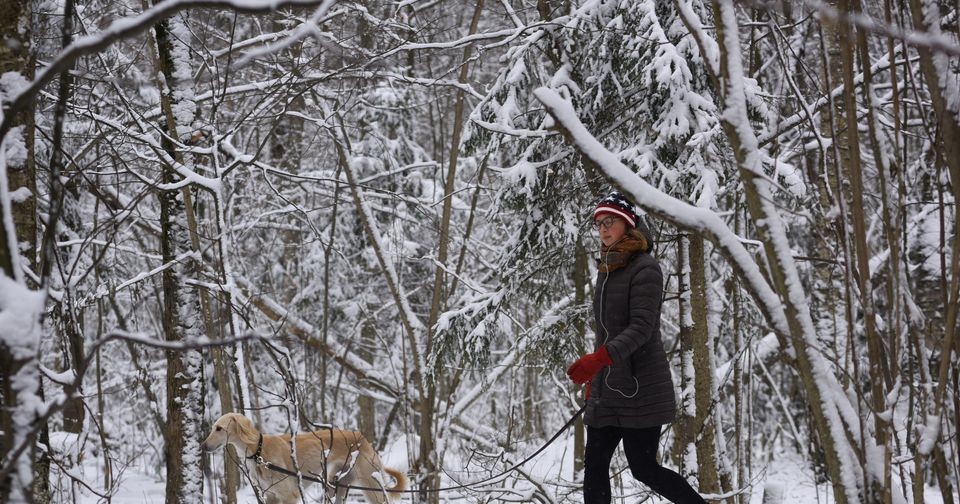
Dog Owners: Is That Sneezing Allergies or Something Else? Experts Weigh In
Moscow,russia – As temperatures drop,dog owners may be quick to assume their pet’s sneezing or itching is due to seasonal allergies,but experts warn that other cold-weather factors are often to blame. Vladimir Golubev,President of the Russian cynological Federation (RKF),explained to RIA Novosti on November 23,2025,that diagnosing allergies in dogs during fall and winter can be challenging due to overlapping symptoms with conditions triggered by the cold.
Many canine companions exhibit signs like excessive scratching, sneezing, and paw-chewing, leading owners to suspect allergies. However, these symptoms can also stem from hypothermia after outdoor exposure or skin irritation caused by central heating. Misdiagnosis can delay appropriate treatment, impacting a dog’s comfort and well-being. According to Golubev, “A dog may sneeze after being hypothermic outside or itch due to skin irritation from central heating. Allergies are considered less often, and therefore diagnosis of the disease can be difficult, and treatment may be delayed.”
While true allergies aren’t exclusive to warmer months, certain allergens become more prevalent in the fall. Mold and fungi thriving in damp fallen leaves pose a risk during outdoor walks. Indoors, dust mite activity increases with the onset of heating season and reduced air humidity, potentially triggering allergic reactions.
Nonetheless of the cause, common allergy symptoms in dogs include sneezing, a runny nose, itching, skin redness, and excessive tearing. These signs typically appear in combination. Andrey Rudenko, Associate Professor of Veterinary Medicine at ROSBIOTECH University, has also cautioned owners about the dangers of certain plants and mushrooms encountered during autumn walks. Owners observing any of these symptoms in their dogs are advised to consult a veterinarian for accurate diagnosis and treatment.
