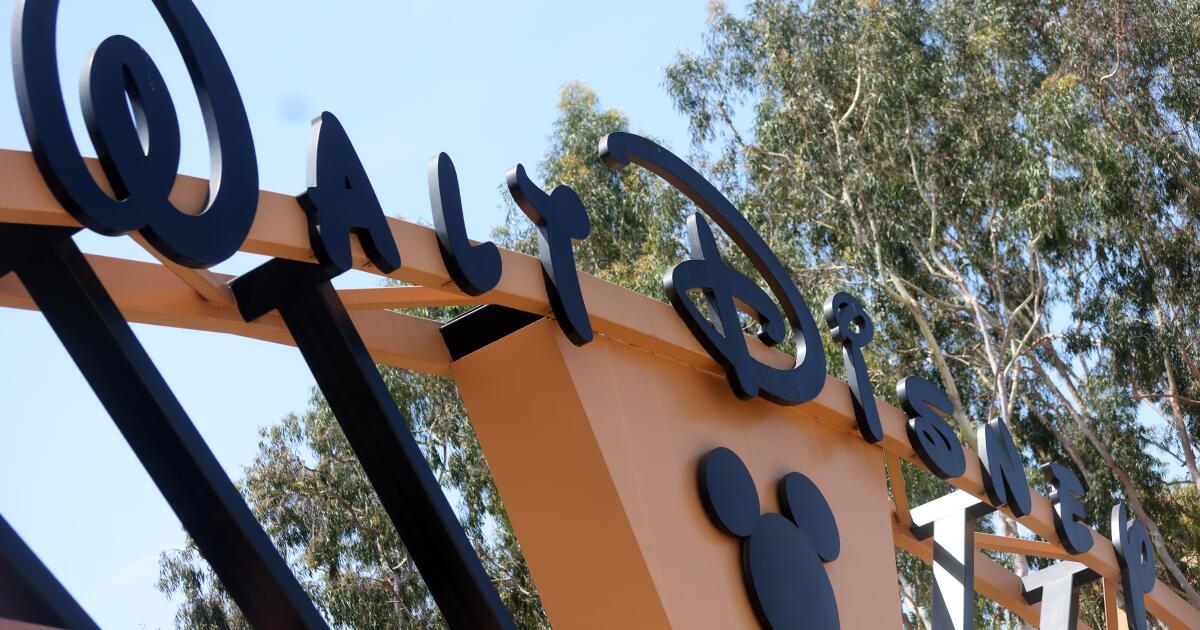
Disney CEO Urges More Agile and Tech-Enabled Workforce
Disney is slashing 1,000 positions across its global operations this week as CEO Josh D’Amaro pivots toward a “technologically-enabled workforce.” The move signals a aggressive restructuring of the company’s operational overhead to prioritize AI integration and digital agility over traditional staffing models in a volatile media market.
The timing is surgically precise. As the industry prepares for the summer blockbuster slate and the inevitable churn of the Q2 earnings cycle, Disney is cleaning house. This isn’t just a cost-cutting exercise. it is a fundamental rebranding of how the Mouse House views human capital. D’Amaro’s insistence on “agility” is corporate shorthand for replacing legacy roles with automated systems and lean, tech-centric workflows. For the thousands of employees caught in the crossfire, the “magic” has suddenly become a matter of algorithmic efficiency.
The business problem here is a classic case of brand equity fighting against a shifting distribution paradigm. Disney is grappling with the “streaming hangover”—the realization that SVOD (Subscription Video On Demand) growth has plateaued and the cost of content production is skyrocketing. When you’re balancing the massive overhead of theme parks with the precarious margins of Disney+, the easiest lever to pull is the payroll. However, mass layoffs of this scale create a vacuum of institutional knowledge, leaving the company vulnerable to PR disasters and operational lapses.
The Algorithmic Axe and the IP Struggle
To understand why Disney is doing this now, one must look at the broader industry trend of “right-sizing.” According to recent data from Variety, the trend across major studios has shifted from aggressive expansion to aggressive optimization. The goal is no longer just to capture market share, but to maximize the backend gross of existing intellectual property (IP) while minimizing the cost of delivery.
By trimming 1,000 roles, Disney is essentially betting that AI can handle the mid-level administrative and creative coordination that once required a modest army of producers and assistants. This shift transforms the role of the showrunner and the executive producer from “manager of people” to “manager of prompts.” The risk, however, is a dilution of the creative spark that built the brand’s empire. When you automate the process, you risk losing the nuance that prevents a franchise from becoming a sterile, corporate product.
“The industry is witnessing a dangerous transition where ‘efficiency’ is being used as a proxy for ‘creativity.’ When a studio of Disney’s scale cuts a thousand roles in the name of technology, they aren’t just cutting costs—they are cutting the connective tissue that allows a story to breathe across different platforms.” — Marcus Thorne, Senior Entertainment Consultant and Media Strategist
This operational volatility creates a surge in demand for specialized legal protections. As roles vanish, disputes over copyright infringement and the ownership of AI-generated assets become paramount. Studios are increasingly relying on elite IP lawyers and contract specialists to rewrite the rules of employment and ownership in an era where the line between human creativity and machine output is blurred.
The Ripple Effect: Three Pillars of the Disney Shift
- The Death of the Mid-Level Creative: The “technologically-enabled workforce” targets the middle management layer. By removing the buffers between senior executives and junior staff, Disney is attempting to flatten its hierarchy, but this often leads to burnout and a lack of mentorship for emerging talent.
- SVOD Margin Pressure: With the cost of customer acquisition rising and churn rates increasing across all streaming platforms, the pressure to maintain a lean operation is immense. Disney is prioritizing high-margin theme park revenue to subsidize the expensive gamble of digital distribution.
- The AI Integration Mandate: This isn’t just about layoffs; it’s about replacement. From automated scheduling to AI-assisted storyboarding, the company is integrating tools that reduce the need for human oversight, fundamentally altering the labor dynamics of the entertainment sector.
The fallout from such a move is rarely contained within the corporate office. When a global titan like Disney signals a shift toward automation, it sends a shockwave through the entire ecosystem of talent agencies and production houses. According to The Hollywood Reporter, the industry is seeing a migration of talent toward independent boutiques that promise a more “human-centric” approach to storytelling.
When a corporation of this magnitude executes a mass layoff, the internal morale collapse is often as damaging as the external PR hit. The narrative of the “Happiest Place on Earth” doesn’t square with a thousand pink slips. To manage this friction, Disney must deploy high-stakes crisis communication firms capable of pivoting the conversation from “job losses” to “digital transformation” before the sentiment on social media turns toxic.
The Economics of the Mouse
Looking at the official financial filings and quarterly reports, the drive for agility is a response to a cooling global economy. The cost of maintaining a massive, centralized workforce is becoming an anchor. By shifting toward a more agile model, Disney is attempting to mirror the lean structures of tech giants like Netflix or Amazon, rather than the bloated studio models of the 1990s.

However, the “agility” D’Amaro speaks of is a double-edged sword. In the rush to optimize, Disney risks alienating the highly creators who drive its brand equity. If the talent feels that they are merely components in a machine, the quality of the IP will inevitably suffer. We are seeing a trend where the most sought-after directors and showrunners are demanding “creative autonomy” clauses in their contracts to protect their vision from the encroaching efficiency of the corporate algorithm.
This shift also impacts the logistics of production. As Disney streamlines, they are increasingly outsourcing specialized tasks to third-party vendors. This creates a massive opportunity for specialized event and production management firms who can provide the flexibility the studio now craves without the burden of full-time employment.
The Future of the Creative Class
Disney’s current trajectory is a canary in the coal mine for the rest of the entertainment world. The transition to a “technologically-enabled workforce” is an admission that the old way of doing business—massive teams, slow pivots and guaranteed stability—is dead. The modern era is one of precarious brilliance, where the ability to interface with AI is as valuable as the ability to write a screenplay.
The real question is whether the “magic” can survive the optimization. If the goal is simply to maximize the backend gross and streamline the SVOD pipeline, Disney may succeed in the short term. But the long-term health of a creative empire depends on the people who dare to be inefficient, to experiment, and to fail—things an algorithm cannot do.
As the industry continues to fracture and reform, the need for vetted, high-level professional support has never been greater. Whether it’s navigating a complex IP dispute, managing a brand crisis, or scaling a production, the right partners make the difference between a corporate collapse and a successful pivot. For those navigating this volatile landscape, the World Today News Directory remains the definitive source for connecting with the legal, PR, and logistical experts who keep the industry turning.
Disclaimer: The views and cultural analyses presented in this article are for informational and entertainment purposes only. Information regarding legal disputes or financial data is based on available public records.