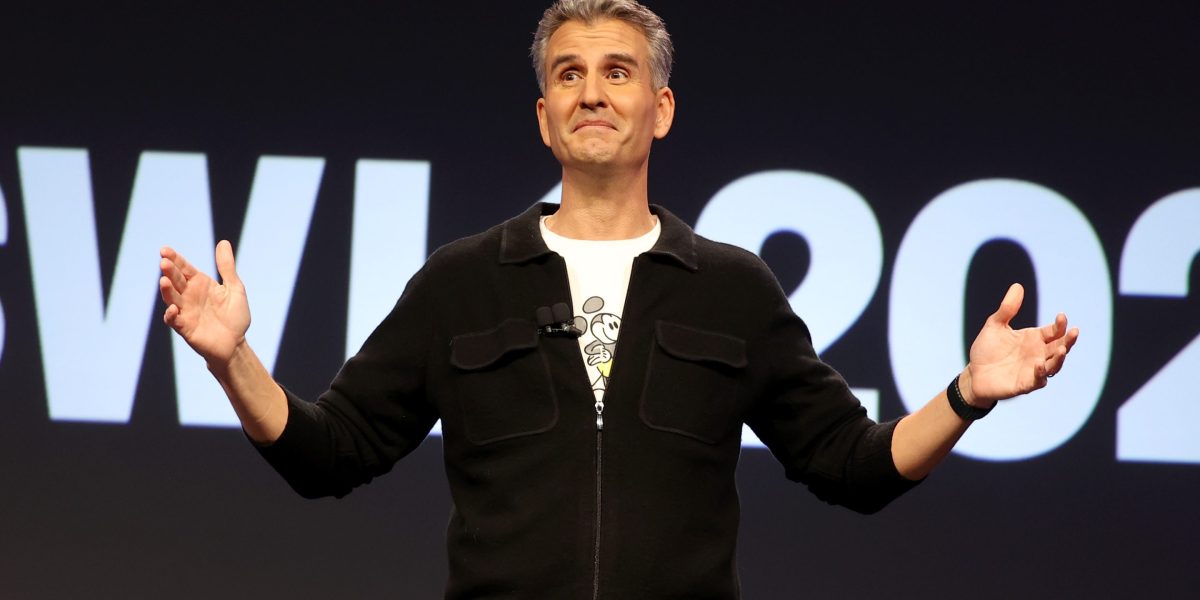
Disney CEO Josh D’Amaro Faces Major Setbacks as OpenAI and Epic Partnerships Collapse
Josh D’Amaro’s tenure as Disney CEO began with a $2.5 billion strategic pivot toward AI and gaming, only to face immediate dissolution of key partnerships with OpenAI and Epic Games alongside a reputational crisis at ABC. This triple-threat event exposes critical vulnerabilities in Disney’s external dependency strategy, forcing a rapid reassessment of capital allocation and risk management protocols for the upcoming fiscal quarter.
The corner office at the Walt Disney Company is rarely a place for quiet reflection, but for Josh D’Amaro, the first week was a masterclass in crisis triage. He stepped in with a mandate to unify the conglomerate’s fragmented intellectual property under a single, immersive digital roof. That vision required external scaffolding—massive partnerships to handle the heavy lifting of AI generation and metaverse infrastructure. Those pillars crumbled in less than seven days.
Market volatility is expected when a new captain takes the wheel, but the speed of this deterioration suggests a structural flaw in Disney’s reliance on third-party tech giants. The stock dipped 4% in a week, a signal that institutional investors are questioning the durability of D’Amaro’s “connected experience” thesis. When your growth engine relies on partners who are simultaneously cutting costs to prepare for their own IPOs, you aren’t building a moat; you’re renting land in a flood zone.
The Sora Write-Down: A Billion-Dollar Lesson in Counterparty Risk
The dissolution of the OpenAI partnership is not merely a operational hiccup; it is a balance sheet shock. Late last year, Disney committed to a three-year, $1 billion arrangement to populate Disney+ with AI-generated short-form content using the Sora video generator. The deal was predicated on OpenAI’s ability to scale. Instead, OpenAI shuttered the app to streamline operations ahead of a public listing, leaving Disney with a stranded asset.
For a company of Disney’s magnitude, this represents a significant allocation of capital with zero return on investment in the immediate term. The sudden pivot by Sam Altman’s team highlights the danger of betting on pre-IPO volatility. Disney executives were blindsided, learning of the shutdown minutes after a strategy meeting. This lack of communication transparency is a red flag for any corporate governance committee.
In the wake of such abrupt contract terminations, corporations often identify themselves scrambling to recover sunk costs or renegotiate terms under duress. This is precisely where specialized corporate litigation and contract law firms become essential. When a counterparty walks away from a billion-dollar commitment, the recourse isn’t just public relations; it’s forensic accounting and aggressive legal maneuvering to secure damages or alternative licensing rights before the next earnings call.
“The market punishes uncertainty more than bad news. Disney’s reliance on external AI infrastructure without a fallback plan signals a gap in their enterprise risk management framework.”
The financial implication extends beyond the lost $1 billion. It forces Disney to rethink its content pipeline. If AI generation is off the table, production costs for short-form content revert to traditional models, compressing margins. Analysts watching the SEC 10-Q filings in the coming months will be scrutinizing the “Content Production” line item for unexpected spikes.
Fortnite Friction: The Metaverse Equity Trap
While the OpenAI deal was a service contract, the Epic Games situation is an equity exposure problem. D’Amaro personally championed the $1.5 billion investment in Epic, securing a board observer seat and a promise of a dedicated Disney digital universe within Fortnite. That universe was supposed to be the monetization engine for the next decade of Marvel and Star Wars IP.
Now, Epic is cutting 1,000 jobs. Tim Sweeney cited a downturn in engagement, a polite way of saying the user acquisition cost has outpaced lifetime value. For Disney, this creates a dual headache. First, the valuation of their equity stake is under pressure. Second, the timeline for the “Disneyverse” launch is now indefinite. A delayed product launch in the tech sector often translates to a permanent loss of market share.
This scenario underscores the necessity of rigorous strategic consulting and digital transformation advisors during the due diligence phase. Had independent auditors stress-tested Epic’s user retention metrics against Disney’s long-term capital goals, the exposure might have been hedged differently. Instead, Disney is now holding a bag of volatile tech equity while its core IP sits idle, waiting for a platform that may never arrive in its promised form.
The friction between traditional media conglomerates and agile tech disruptors is well-documented, but rarely this costly. Disney bet on agility; Epic chose survival. The misalignment of incentives is stark.
ABC’s Reputational bleed: The Cost of Cancelled Production
Operational failures are one thing; brand erosion is another. The cancellation of The Bachelorette season 22 due to domestic violence allegations against the lead star is a reputational firestorm that hits the bottom line immediately. Reports indicate the production was already filmed, meaning the $30 million production cost is a total write-off.

Unlike the tech deals, this loss is entirely internal. It speaks to a failure in talent vetting and crisis anticipation. In an era where social sentiment drives advertising revenue, ABC cannot afford to be reactive. The cancellation protects the brand long-term but hurts Q2 cash flow. It is a classic example of choosing between immediate liquidity and long-term brand equity.
When a legacy media network faces this level of scrutiny, the response must be surgical. Generalist PR won’t suffice. Companies in this position typically engage specialized crisis management and reputation risk firms to navigate the fallout. The goal isn’t just to apologize; it’s to restructure the vetting process for future talent to prevent recurrence, ensuring advertisers that the inventory is safe.
The Path Forward: Stabilizing the Ship
D’Amaro’s vision of a unified Disney experience remains sound, but the execution roadmap has been obliterated. The company now faces a quarter of recalibration. They must absorb the write-downs from the OpenAI deal, mark down the Epic equity stake, and manage the advertising fallout from ABC.
The market will watch the next earnings transcript closely. Investors aren’t looking for apologies; they are looking for a pivot. Can Disney bring AI and metaverse capabilities in-house? Can they diversify their unscripted TV portfolio to reduce reliance on a single franchise? The answers to these questions will determine whether this week was a temporary stumble or the beginning of a prolonged valuation compression.
For the broader market, this serves as a cautionary tale on the perils of over-leveraging external partnerships for core growth strategies. As volatility increases across the tech and media sectors, the need for robust, vetted B2B partnerships has never been higher. Whether it’s securing intellectual property rights, managing digital transformation risks, or navigating complex crisis communications, the right enterprise partners are the difference between a recovered quarter and a fiscal disaster. Explore the World Today News Global Directory to connect with the elite firms capable of steering enterprise giants through turbulent waters.