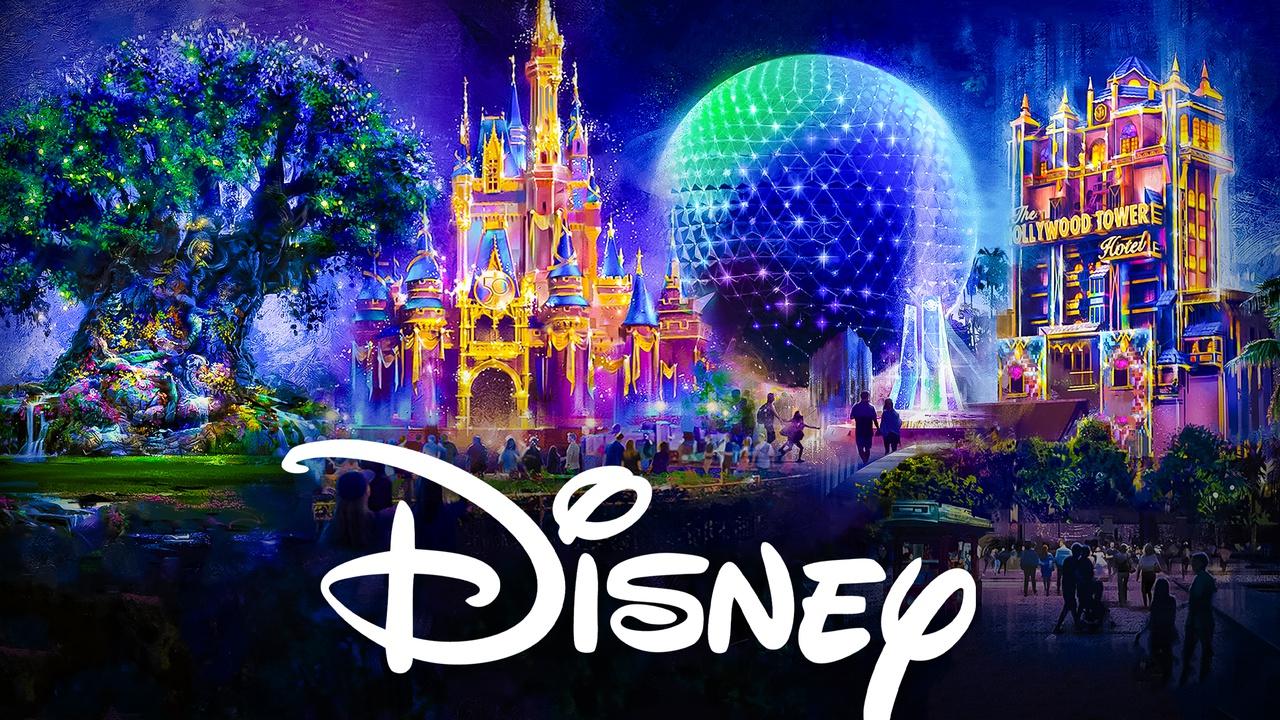
Disney Announces Major Plans During Q2 Earnings Call
The Walt Disney Company announced three major theme park expansions for 2026 during its Q2 earnings call, targeting increased guest throughput and higher average revenue per user (ARPU). These strategic capital investments aim to diversify revenue streams and stabilize long-term growth across the global Parks, Experiences and Products division.
Massive physical expansions of this scale create an immediate fiscal vacuum, requiring aggressive capital expenditure (Capex) that can pressure short-term free cash flow. For Disney, the challenge is balancing the immediate dilution of earnings per share (EPS) against the long-term accretion of asset value. This pivot toward heavy infrastructure doesn’t happen in a vacuum; it triggers a surge in demand for specialized commercial real estate developers capable of managing multi-billion dollar footprints.
The announcement, delivered during the Q2 conference call, signals a return to an expansionary posture. It suggests that leadership is confident in the current liquidity position, despite the volatility seen in the streaming sector. By doubling down on physical assets, Disney is effectively hedging its bets—moving away from the pure-play digital growth model and returning to the “flywheel” effect where physical experiences drive intellectual property demand.
It is a high-stakes gamble on consumer resilience.
The Macro Impact: Three Pillars of the 2026 Strategy
To understand why these three expansions matter, one must look past the theme park maps and into the balance sheet. This is not merely about adding rides; it is about optimizing the EBITDA margins of the Parks division.
- Premiumization of the Guest Experience: Disney is shifting toward a “high-yield” model. By expanding capacity and adding exclusive, tiered experiences, the company can increase the average spend per visitor without relying solely on increasing the number of tickets sold. This mitigates the risk of park overcrowding while maximizing the revenue extracted from high-net-worth demographics.
- Diversification of Geographic Risk: Spreading expansions across different regions protects the company from localized economic downturns or geopolitical instability. When one market softens, the growth in another offset the dip, stabilizing the overall corporate yield.
- IP Monetization via Physicality: Every new expansion serves as a living billboard for Disney’s content library. By building physical environments based on new franchises, Disney creates a feedback loop that increases the lifetime value (LTV) of its intellectual property, driving merchandise sales and streaming subscriptions.
Executing this vision requires more than just creativity; it requires a legal fortress. Navigating the zoning laws, environmental impact reports and land-use permits for three simultaneous expansions necessitates the involvement of top-tier corporate law firms specializing in regulatory compliance and administrative law.
“The transition from digital-first growth back to aggressive physical expansion suggests a strategic re-calibration. Disney is leveraging its strongest moat—the physical destination—to ensure that its margins remain resilient even if the streaming wars reach a stalemate.”
Analyzing the Capex vs. ROI Equation
Investors are closely watching the debt-to-equity ratio as these projects move from the planning phase to the construction phase. Theme park expansions are notorious for “scope creep,” where initial budgets are eclipsed by the complexity of integrating next-generation robotics and sustainable infrastructure. To maintain a healthy credit rating, Disney must ensure that the projected Internal Rate of Return (IRR) on these 2026 projects exceeds the weighted average cost of capital (WACC).

The risk is the “Capex Trap.” If the company over-invests during a period of high interest rates, the cost of servicing the debt used to build these parks could eat into the operating income they generate.
Efficiency is the only hedge.
This is where the operational bottleneck occurs. Sourcing the raw materials and specialized technology for three simultaneous builds creates a supply chain nightmare. The company will likely lean heavily on supply chain logistics providers to synchronize the delivery of components from global vendors to avoid costly construction delays that could push opening dates past the 2026 window.
The Bottom Line for Shareholders
While the Q2 earnings call provided the headline, the real story is in the upcoming SEC 10-Q filings. Analysts will be hunting for the specific allocation of funds—how much is dedicated to land acquisition versus actual construction. A heavy tilt toward land acquisition suggests a long-term land bank strategy, while a tilt toward construction indicates an immediate push for 2026 revenue realization.
The market’s reaction will depend on the “accrual timeline.” If Disney can demonstrate that these expansions will be accretive to earnings by late 2026 or early 2027, the stock will likely see a valuation rerating. If the costs are front-loaded without a clear path to immediate monetization, the market may penalize the stock for perceived fiscal recklessness.

Regardless of the immediate stock movement, the move confirms that the “experience economy” is still the primary engine of Disney’s valuation. The digital world is a tool, but the physical park is the product.
As Disney navigates this massive scaling effort, the need for vetted, enterprise-grade partners becomes critical. From the engineers who build the rides to the consultants who optimize the guest flow, the success of 2026 depends on the quality of the B2B ecosystem supporting the brand. For firms looking to enter this orbit or companies seeking to emulate this scale of expansion, the World Today News Directory remains the definitive resource for connecting with the world’s most capable B2B service providers.