DIN 1988-200 Limits Ambient Temperatures in Heating Centers, buildingTIMES Reports
Water treatment systems in heating centers must now address stricter thermal limits to ensure drinking water hygiene.
Under DIN 1988-200, ambient temperatures in these technical rooms must not exceed 25 °C to minimize microbiological risks, buildingTIMES reported.
This requirement often conflicts with the confined, heat-intensive environments of modern utility rooms. “This aspect is becoming increasingly important because the limit value is already under heavy pressure due to higher cold water temperatures from suppliers,” said Sebastian Kwasny, sales manager for the D-A-CH region at Watercryst. “From 25 °C, the risk of Legionella growth increases massively.”
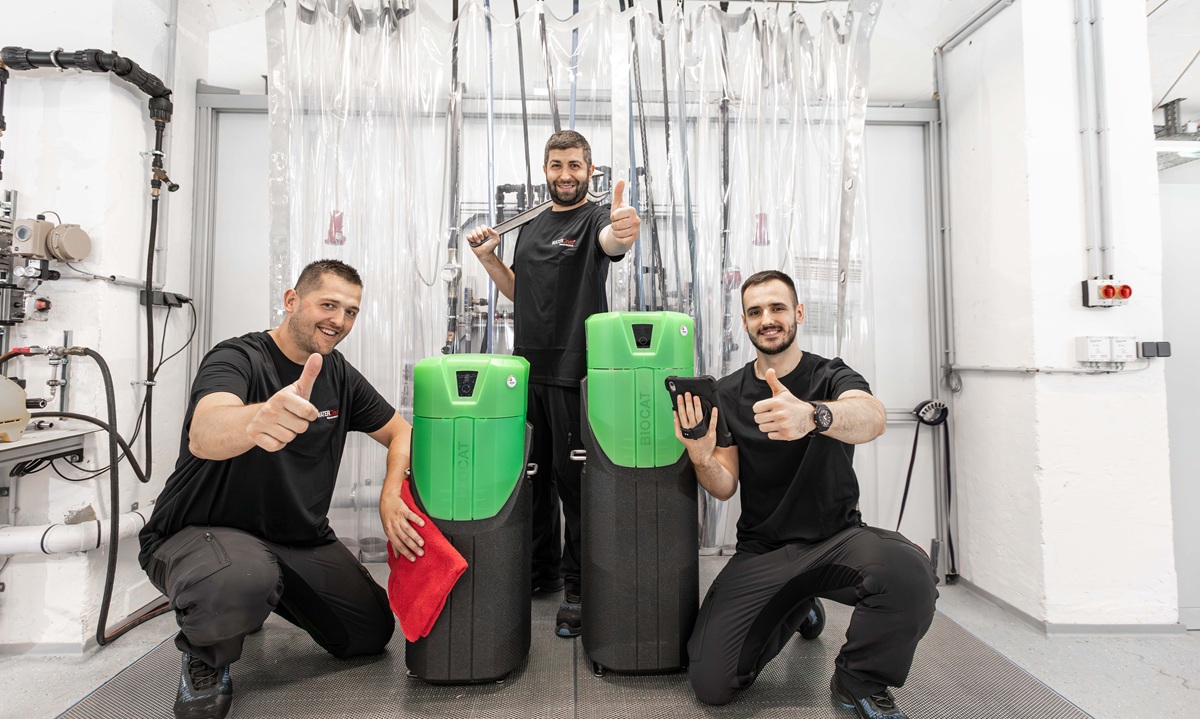
To test the viability of water hardening stabilization in these conditions, researchers monitored thermal behavior at a Berlin hotel using the Biocat KS 8000 system. The study analyzed the unit’s isolated container design at ten distinct measurement points.
Results showed the cold water temperature remained within the required range even when room temperatures reached 40 °C, according to buildingTIMES.
The system relies on internal sensors and automated routines to maintain safety. If internal water temperatures exceed 25 °C, the device triggers an automatic flushing process. If temperatures do not stabilize, the system reports a fault, with KS-C series units sending alerts directly to a smartphone application.
These findings allow planners and installation firms more flexibility when selecting equipment locations in technical building services. “The investigation results confirm the effectiveness of our hygiene concept even under increased ambient temperatures,” Kwasny told buildingTIMES. “For installation companies, that means one thing above all: more flexibility in the choice of the installation location for a Biocat limescale protection system.”