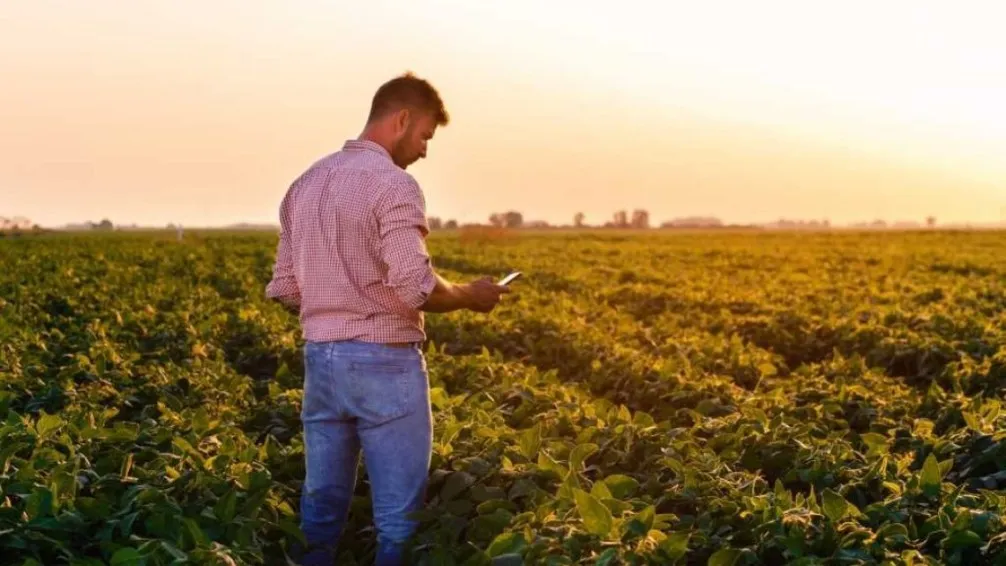
Diario La Mañana reports transformation of agricultural producers
diariolamanana.com.ar reported that the twenty-first-century agricultural producer bears little resemblance to the farmer of more than forty years ago, shifting from reliance fundamentally on experience and direct field observation to a combination of experience and information.
-
Key Takeaways:
- Modern agricultural production relies heavily on satellite imagery, real-time yield monitors, and soil mapping rather than solely on experiential observation.
- The agricultural business model has transformed into an interconnected network involving contractors, agronomists, technology providers, and financial institutions.
- Despite technological sophistication, rural territories face depopulation challenges, creating a paradox between high efficiency and thinning local populations.
How Satellite Imagery Replaced Pure Experience in Field Management
Forty years ago, agricultural decisions rested primarily on accumulated personal experience, soil color interpretation, and local weather patterns. Modern equipment like precision seeders regulate density based on changing environments, while sprayers utilize section-cutting technologies to minimize input waste. The primary output of the modern farm is no longer just physical harvest, but actionable information.
The Evolution From Single Farms to Integrated Business Networks
The operational scope of farming has expanded far beyond land ownership and machinery operation. Financing, commercial sales, and marketing decisions occur through digital channels, turning individual agricultural holdings into complex nodes within a broader supply network.
Argentine Production Metrics and Rural Demographics
During the 2024/25 crop cycle in Argentina, soybean production reached approximately 49.9 million tons across 17.8 million planted hectares, with first-crop yields averaging 30.6 quintals per hectare.
Disclaimer: The information provided in this article is for educational and scientific communication purposes only.