
Muscle Deformity Leads to Unexpected Calcium Leak, Baffling Doctors
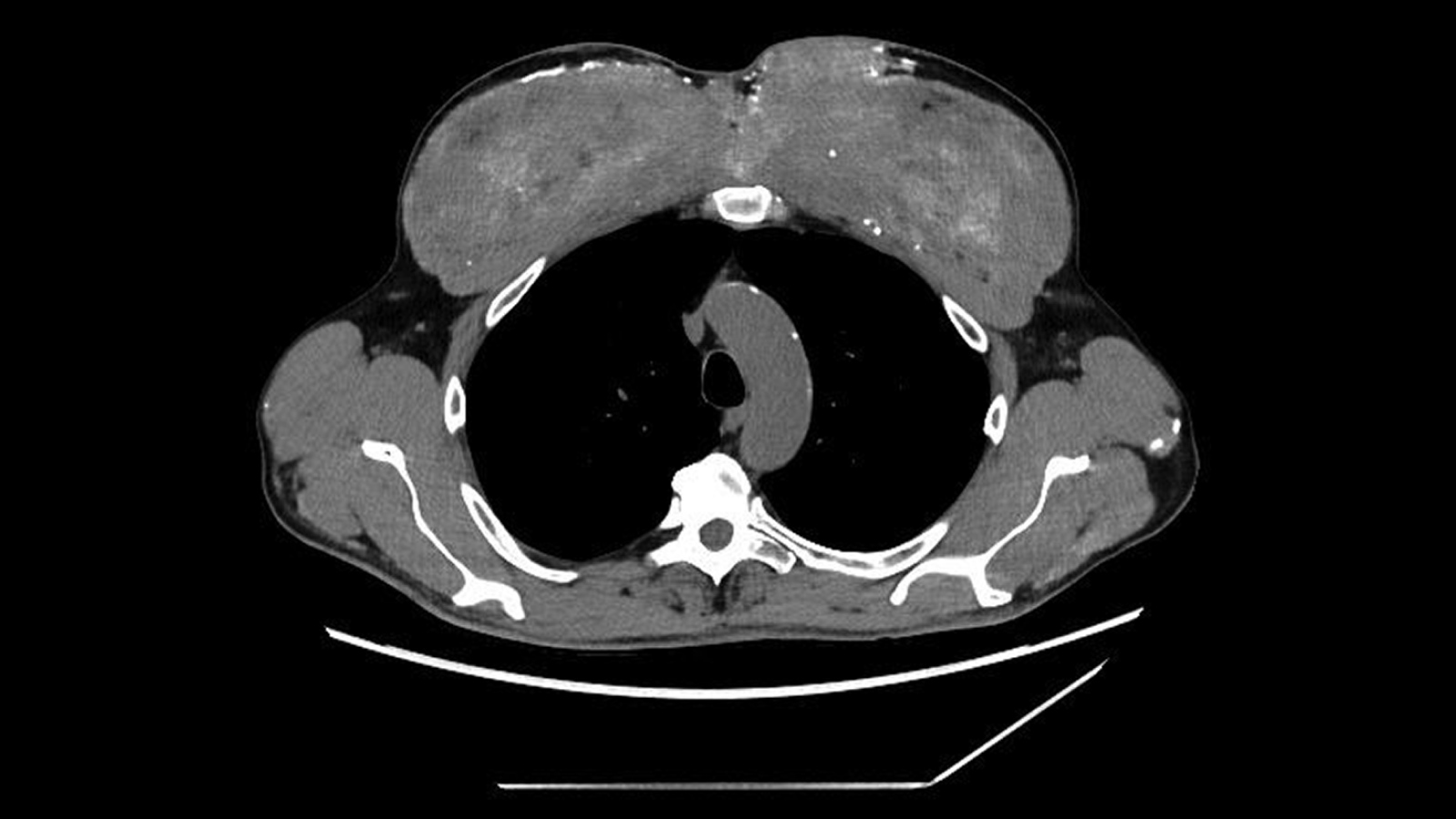
NEW YORK – A man presenting with visibly deformed muscles and unexplained high calcium levels led doctors to an unusual diagnosis: a delayed reaction to years-old synthol injections, according to a recently published case report. The case, detailed in nephrology Dialysis Transplantation, highlights a rare and previously underrecognized complication of the muscle-enhancing substance.
Synthol, ofen comprised of 85% medium-chain triglycerides, 7.5% lidocaine, and 7.5% alcohol, is injected into muscles to create the appearance of increased size. Unlike steroids, synthol doesn’t build muscle; rather, the oils remain in the tissue, causing deformation and perhaps long-lasting complications. While known risks include muscle deformity, chronic wounds, and scarring, the link to hypercalcemia – abnormally high calcium levels in the blood – is only beginning to be understood. Doctors noted only two prior reported cases of this connection, both originating in Lebanon.
The patient in this case exhibited progressively worsening muscle abnormalities and elevated calcium levels. The underlying mechanism causing the calcium leak remains unclear, but the report authors state the case ”adds further evidence that synthol intramuscular injections are among the causes of elevated serum calcium levels,” despite its rarity. In one previous patient, calcium levels normalized three months after tissue removal, though the report notes the authors did not document whether surgery was ultimately performed or the patient’s long-term outcome.
synthol’s effects typically manifest shortly after injection, but in this instance, the complications emerged years later, complicating the diagnostic process. The substance remains “relatively easy to buy,” despite the serious health risks, according to Healthline.com.
