
2025 Deutschland Tour: A Stage-by-Stage Preview
Table of Contents
Essen, Germany – The 2025 Deutschland Tour is set too commence with a brief individual time trial, initiating a four-stage race that will test the endurance and tactical prowess of professional cyclists. This year’s edition promises a dynamic mix of flat sprints,punchy climbs,and challenging terrain,drawing competitors from across the globe. The race, a key event on the UCI Europe Tour calendar, will run from August 13th to August 16th, 2025.
Prologue: Essen – Essen (3 Kilometers)
The Deutschland Tour begins with a 3-kilometer prologue in essen. While not exceptionally demanding, this short time trial will establish the initial general classification (GC) standings and offer a rare possibility for time trial specialists to shine. The course is expected to be relatively flat, prioritizing aerodynamic efficiency and raw power.
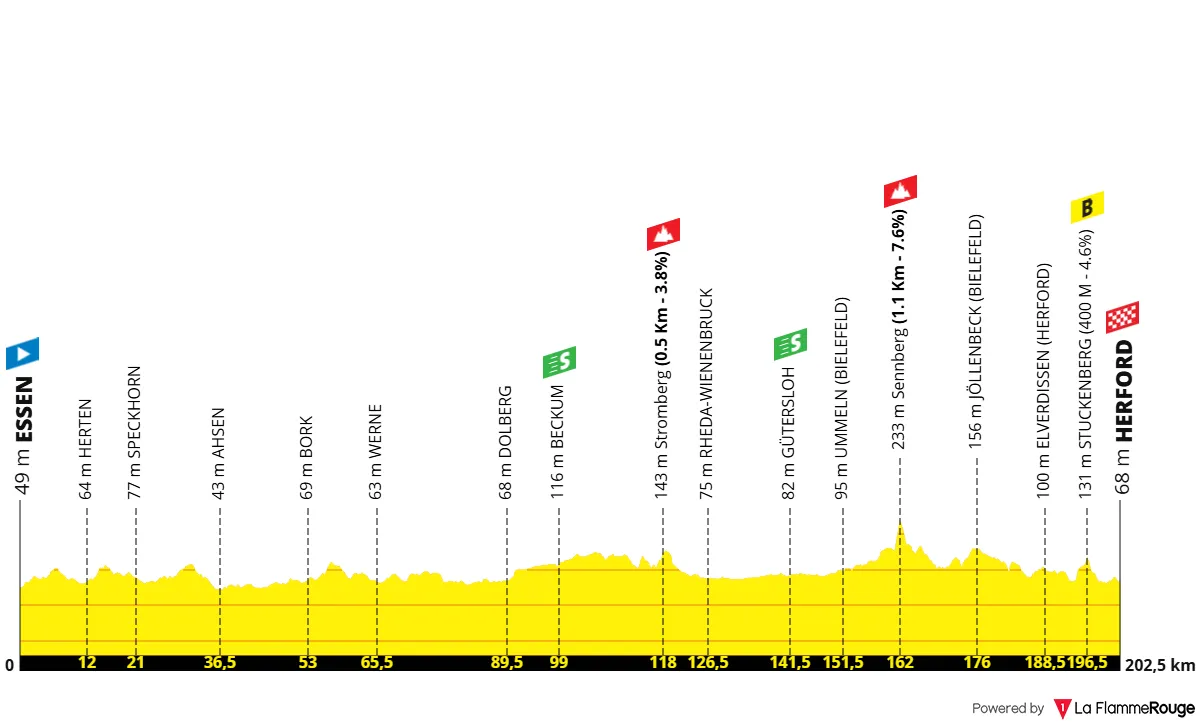
Stage 1: Essen – herford (202.5 Kilometers)
The first road stage covers 202.5 kilometers from Essen to herford. The route features predominantly flat roads, leading into a more undulating section as riders approach the finish. A bunch sprint is anticipated, though the condition of sprinters after the prologue will be a key factor.
A bonus sprint is scheduled 6 kilometers from the finish line atop a minor climb. This offers a chance for riders to gain valuable seconds, potentially influencing the overall race outcome.
Pro Tip: Pay close attention to the positioning of teams leading into the bonus sprint; strategic teamwork can yield important advantages.
stage 2: Herford – Neheim (189.7 Kilometers)
Stage 2,spanning 189.7 kilometers from Herford to Neheim, is considered the “queen stage” of the race. This stage favors classics specialists due to its numerous short, punchy climbs. The terrain is designed to encourage tactical racing and breakaway attempts.
Five significant climbs are concentrated between the 65-kilometer and 31-kilometer marks, creating a focal point for aggressive racing. A bonus sprint near the finish provides another opportunity for riders to gain time.
Stage 3: Neheim - Kassel (176.4 Kilometers)
the third stage, a 176.4-kilometer ride from Neheim to Kassel, presents a hilly course that could favor both sprinters and breakaway specialists. Early climbs create opportunities for a strong breakaway to establish a lead, potentially challenging the GC contenders.
A bonus sprint 3 kilometers from the finish line, situated on a slight incline, is expected to spark attacks. The downhill finish could further incentivize aggressive tactics.
Did you Know? The Deutschland Tour has a rich history,dating back to 1927,and has seen numerous legendary cyclists compete for the title.
Stage 4: Halle – Magdeburg (161.8 Kilometers)
The final stage, covering 161.8 kilometers from halle to Magdeburg, is expected to culminate in a bunch sprint. The course features a minor ascent early on, but the focus will be on positioning and lead-out trains in the final kilometers.
A bonus sprint near the finish line could provide a late opportunity for attacks, but a mass sprint finish remains the most likely outcome.
| stage | Date | Start | Finish | Distance (km) | Profile |
|---|---|---|---|---|---|
| Prologue | August 13 | Essen | Essen | 3 | individual Time Trial |
| Stage 1 | August 14 | Essen | Herford | 202.5 | flat with Undulating finish |
| Stage 2 | August 15 | Herford | Neheim | 189.7 | hilly / Classics Terrain |
| Stage 3 | August 16 | Neheim | Kassel | 176.4 | Hilly |
| stage 4 | August 16 | Halle | Magdeburg | 161.8 | Flat / Sprint |
Will a seasoned sprinter dominate the bunch sprints, or will a breakaway specialist capitalize on the challenging terrain? What role will the bonus sprints play in shaping the final GC standings?
The deutschland Tour has evolved substantially as its inception in 1927. Originally known as the Deutschland Rundfahrt, the race has faced interruptions due to past events, but it has consistently served as a platform for showcasing cycling talent. The race’s profile has shifted over the years, adapting to changing trends in cycling and prioritizing both challenging climbs and opportunities for sprinters. The event’s continued success is vital for the growth of cycling in Germany and Europe.
Frequently Asked Questions
- What type of terrain can riders expect in the 2025 Deutschland Tour? The race features a diverse range of terrain, including flat stages for sprinters, hilly stages for classics specialists, and individual time trials.
- What is the significance of the bonus sprints? Bonus sprints offer riders the opportunity to gain valuable seconds towards the general classification, potentially influencing the overall race outcome.
- Who are some of the potential contenders for the 2025 Deutschland Tour title? The field of contenders will depend on team selections,but expect to see strong representation from European professional cycling teams.
- How does the Deutschland Tour fit into the broader cycling calendar? The Deutschland Tour is a key event on the UCI Europe Tour, providing valuable points towards UCI rankings.
- What is the history of the Deutschland tour? The race dates back to 1927 and has a rich tradition in German cycling, though it has faced interruptions throughout its history.
We hope you enjoyed this in-depth preview of the 2025 Deutschland Tour! Share this article with your fellow cycling enthusiasts and join the conversation in the comments below. Don’t forget to subscribe to our newsletter for the latest cycling news and analysis.
