
Destiny 2 Ending Raises Questions About Bungie’s Future: Inside Intel
Bungie, the Bellevue-based video game developer and subsidiary of Sony Interactive Entertainment, will cease live-service content updates for Destiny 2 on June 9, 2026. This pivot marks the end of nearly nine years of active development, forcing a strategic shift for the studio as it prioritizes future project incubation.
The decision to sunset Destiny 2’s development cycle represents a critical inflection point for the firm’s fiscal stability. With Sony Interactive Entertainment recording impairment losses of 120.1 billion yen—approximately $765 million for the full fiscal year—against Bungie’s assets, the studio faces immense pressure to optimize its remaining capital allocation. The transition from a legacy live-service model to new game development is not merely a creative choice; it is an urgent requirement for a company struggling to maintain high-margin recurring revenue.
The Fiscal Impairment of Live-Service Strategy
Operational overhead in the gaming sector has reached a saturation point. Bungie’s recent performance underscores the volatility inherent in the “games as a service” (GaaS) model, where player retention metrics directly correlate to EBITDA stability. When a flagship title fails to capture the top-tier engagement required to offset massive acquisition costs, the resulting valuation gap forces immediate, painful restructuring.

Bungie’s situation is symptomatic of a broader malaise in the gaming industry where rapid scaling often outpaces sustainable monetization. As the studio navigates this transition, the firm must contend with the legacy of its 2022 acquisition by Sony, which has thus far failed to yield the expected return on investment. For enterprises undergoing similar periods of high-stakes transition, engaging corporate restructuring advisory firms is often the only path toward stabilizing cash flow and mitigating long-term liabilities.
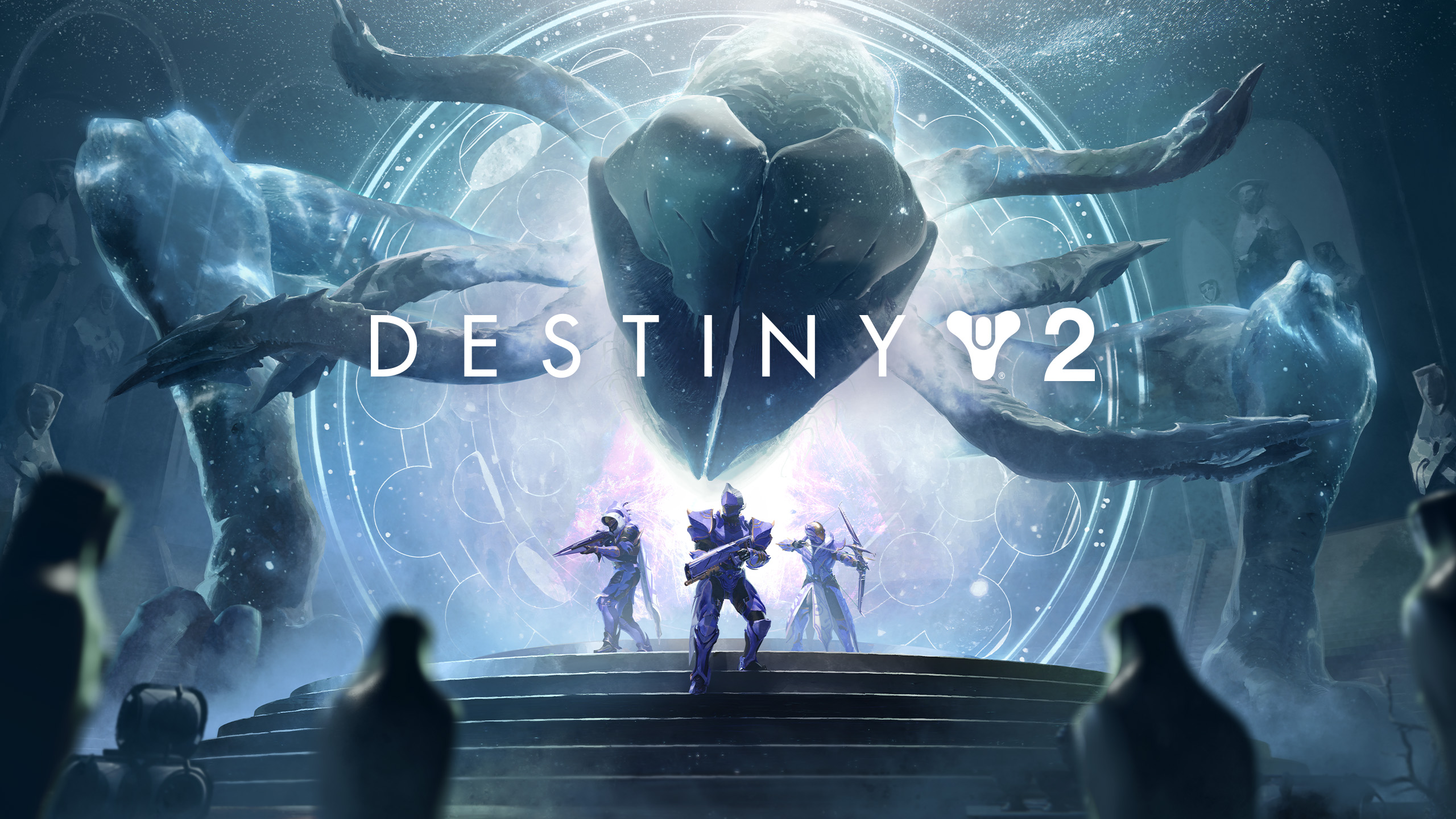
The financial data is stark. Sony’s Q4 impairment charge of 88.6 billion yen highlights the aggressive write-downs required when assets underperform against initial projections. This reality necessitates a rigorous audit of operational expenditures. Without a clear path to profitability for its new extraction shooter, Marathon, Bungie is effectively burning through its remaining liquidity runway, necessitating a pivot that Wall Street will be watching with extreme skepticism.
The challenge for any studio in this position is not just the development of new intellectual property, but the preservation of institutional knowledge while the balance sheet is being forcibly rebalanced. Investors are looking for a clear shift from growth-at-all-costs to a disciplined, margin-focused operational cadence.
Strategic Realignment and the Cost of Innovation
The shift away from Destiny 2 is an admission that the product’s lifecycle has hit a point of diminishing returns. Maintaining a live-service environment requires significant human capital—engineers, artists, and community managers—whose costs remain fixed even as the user base plateaus. By ending active updates, Bungie is attempting to stop the bleed of operational expenses.
However, the transition to “incubating our next games” presents its own set of risks. Product development cycles in the current market are fraught with supply chain bottlenecks and talent acquisition hurdles that can inflate budgets by double-digit percentages. To manage these risks, firms in the entertainment technology space are increasingly turning to enterprise risk management consultants to stress-test their project pipelines before committing significant capital to new titles.
Market Impact and Operational Metrics
| Financial Metric | Status | Strategic Implication |
|---|---|---|
| FY25 Impairment Loss | 120.1 Billion JPY | Asset valuation correction |
| Development Status | Active to Incubation | Shift in R&D focus |
| Market Positioning | Live-Service to New IP | High execution risk |
The market is currently pricing in a high level of uncertainty regarding Bungie’s future. The inability of Marathon to consistently rank among top-tier titles on major platforms indicates that the studio’s brand equity may be undergoing a significant devaluation. When a company’s primary revenue engines lose momentum, the reliance on external capital becomes a double-edged sword. Sophisticated stakeholders are now evaluating the studio’s debt-to-equity ratios and the potential for further mass layoffs to appease institutional shareholders.
The Road Ahead: Institutional Oversight
Bungie’s pivot is not occurring in a vacuum. It is a direct reaction to the demands of Sony Interactive Entertainment, which is currently managing the fallout from a series of high-cost acquisitions. The studio’s leadership, now operating under a new CEO, must navigate a precarious environment where every dollar spent on R&D is scrutinized against the backdrop of massive previous losses.

For firms facing similar regulatory and financial scrutiny, the role of specialized legal counsel and compliance services is paramount. Navigating the intersection of labor law during mass staff reductions and the fiduciary duties owed to parent-company shareholders requires a level of precision that internal teams often lack during periods of extreme volatility.
As the studio prepares for the final Destiny 2 content update on June 9, 2026, the industry should expect further transparency regarding the firm’s long-term roadmap. Investors are looking for more than just a sunsetting of old products; they are demanding a coherent strategy for capital efficiency. Whether Bungie can successfully leverage its remaining talent pool to innovate in a crowded, high-friction market remains an open question. The studio is at a crossroads, and the decisions made in the coming quarters will determine its viability as a standalone subsidiary or its eventual absorption into the broader Sony corporate structure.
The trajectory of the gaming industry continues to favor those who can balance creative vision with rigid fiscal discipline. For those navigating these complex market dynamics, ensure your organization is equipped with the right partners by reviewing the vetted providers in our Global B2B Services Directory.