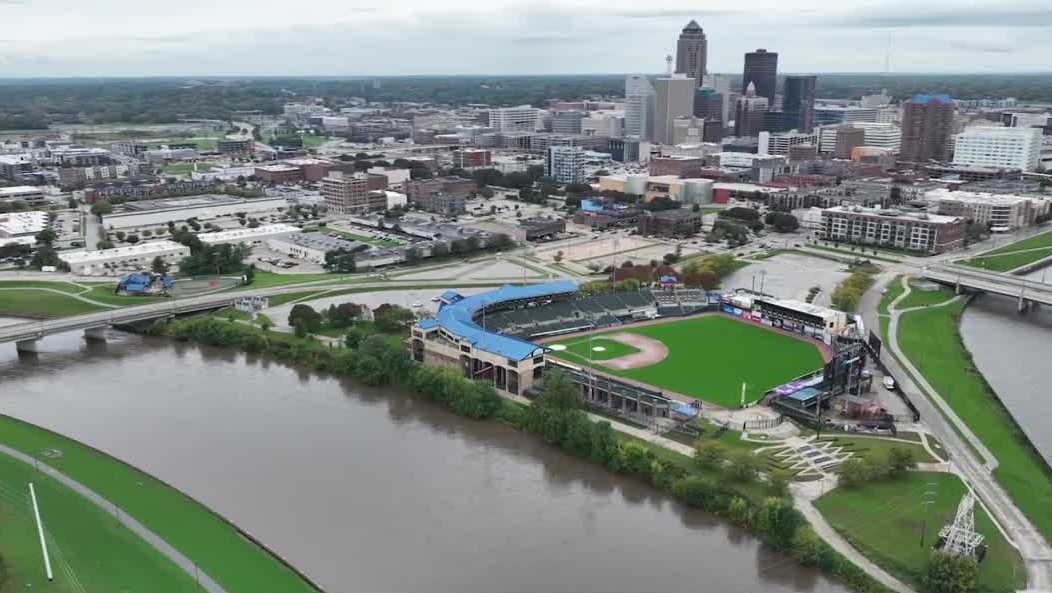
Des Moines Flood Risk Drops as Raccoon River Crests Lower
Des Moines flood risks have eased as the Raccoon River is now forecasted to crest lower than initially predicted, allowing officials to keep flood gates closed as a precaution, according to kcci.com.
Raccoon River Crest Forecast Drops Below Initial Predictions
Heavy rainfall missed the immediate Des Moines area overnight, dropping instead to the north and south. This shift in precipitation patterns prompted a favorable revision in river projections. Initially, meteorologists and hydrologists projected the Raccoon River would crest at over 17 feet. That level would have pushed water across Fleur Drive and reached the levee surrounding the Water Works treatment plant. Updated models now point to a 15-foot crest by Saturday morning, bringing the water down from the more threatening heights while remaining comfortably above the 12-foot flood stage.
Crews from Des Moines Water Works acted proactively on Wednesday by closing the flood gates at the Fleur Drive facility. This marks the first time those specific gates have been closed due to flood threats since 2019. Sandbag barriers remain stacked tightly around the plant near Gray’s Lake as a defensive measure. Chief operating officer Kyle Danley noted the improving conditions while urging caution for local infrastructure. “We’re not out of the woods yet, but it’s certainly we’re in a better spot than we were yesterday,” Danley said.

Fleur Drive Stays Open as Drainage Moves Downstream from the North
Lower crest projections mean Fleur Drive will likely remain open to vehicle traffic, sparing commuters major detours. However, the heavy rains that bypassed Des Moines fell heavily across the Raccoon River basin to the north. That massive volume of water is currently working its way south, meaning runoff will continue to swell local waterways over the next 24 to 48 hours.
“We’re lucky,” said Brett McIntyre of Polk County Emergency Management, pointing out that flood potential stayed confined to the main stem of the Raccoon River rather than smaller interior creeks. “With the flood potential now mainly confined to the Raccoon River and not on the creeks, we don’t really have a lot of residential problems here,” McIntyre added. Even with the reduced threat to homes, low-lying areas across the metro area should still prepare for standing water and minor inundation as the crest moves through.