Denmark Election: Pesticides & Nitrate Threaten Drinking Water Supply
Denmark’s Water Crisis Takes Center Stage as Elections Loom
Aalborg, Denmark – Concerns over increasingly contaminated drinking water are dominating the Danish election campaign, as new data reveals that more than half of the country’s water supplies are now affected by pesticide residue. The crisis, stemming from agricultural runoff, is forcing a re-evaluation of Denmark’s long-held reputation for pristine groundwater and prompting calls for stricter regulations on farming practices.
According to data released by the Danish Geological Survey (GEUS), 55.7 percent of water sampling sites tested positive for pesticide residue in 2024, a significant increase from 40.8 percent in 2018 and 50.9 percent in 2023. Alarmingly, 14.1 percent of samples exceeded established safety limits. The findings have ignited a political firestorm, with parties scrambling to address public anxieties about water quality and potential health risks.
While Denmark has historically relied on naturally clean groundwater, requiring minimal treatment, that is changing. Biologist Kaj Sand-Jensen told Le Monde, “You have to drill deeper and deeper to identify water without traces of nitrate or pesticides.” This dwindling supply of clean water is exacerbating concerns about long-term sustainability, particularly in rapidly growing urban areas.
The issue gained prominence following a report from the Danish Environmental Ministry, which highlighted the inadequacy of current voluntary agreements and local protection plans in safeguarding vulnerable areas. The report warned that the existing system is failing to protect critical groundwater resources and poses a threat to both water supply and consumer health. The ministry is now advocating for area-based bans on pesticides and fertilizers in sensitive zones as the most effective solution.
The potential economic consequences of inaction are substantial. The Environmental Ministry’s report estimates that preventative measures, affecting approximately 4 percent of the country’s landmass and 6 percent of agricultural land, would require around 48 million euros in annual compensation to farmers. However, the cost of failing to address the problem is projected to be far greater, ranging from 800 million to 2.4 billion euros per year for water treatment, infrastructure upgrades, and other related damages.
The city of Aalborg is already experiencing the financial strain of water contamination. The municipality has filed a lawsuit against the Danish state, alleging that the government failed to comply with EU regulations regarding nitrate levels and allowed the problem to persist for years despite repeated warnings. Aalborg was forced to construct its own water purification facility at a cost of approximately 147 million euros over 30 years, a burden the city argues should be borne by the state.
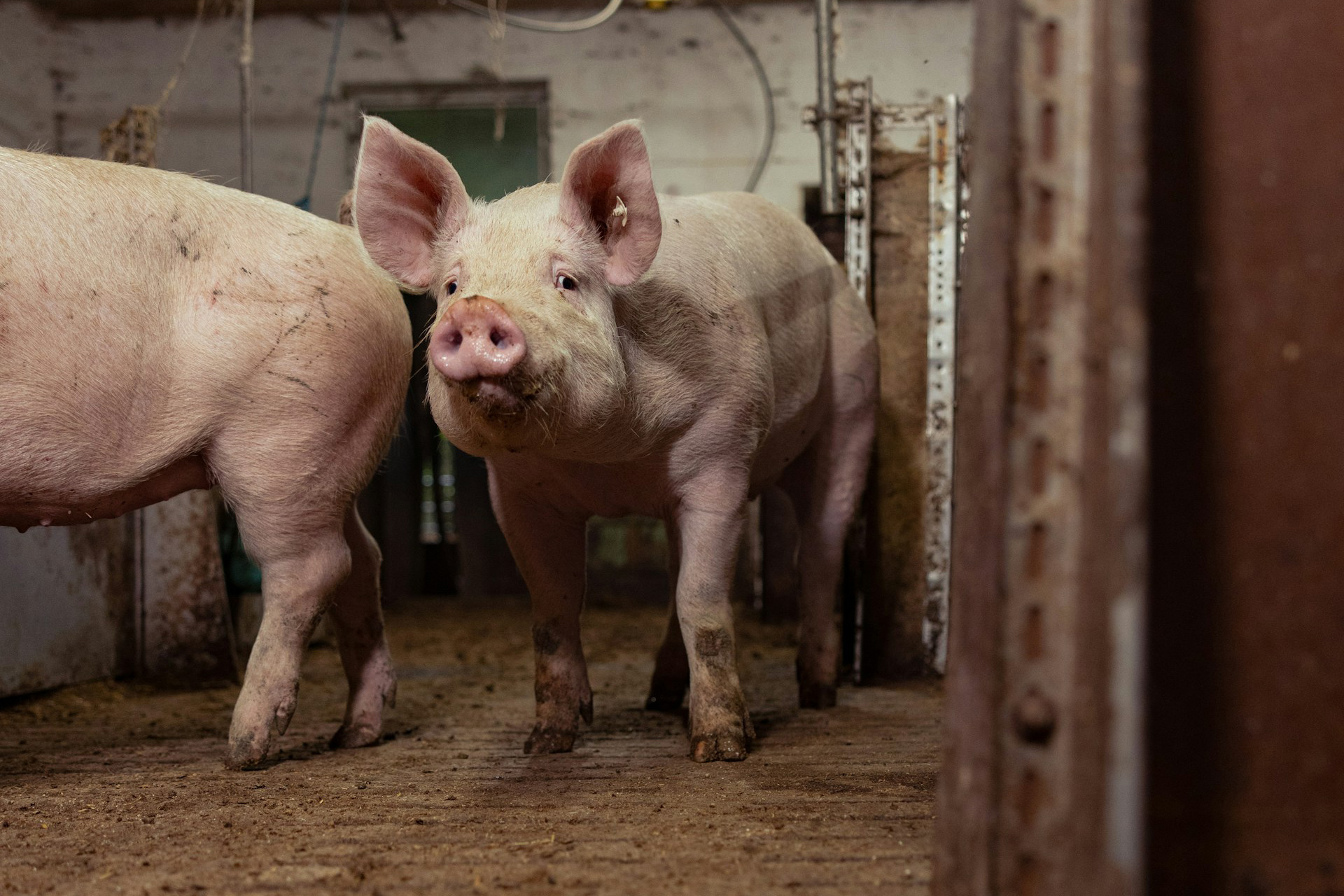
The root of the problem lies in Denmark’s intensive agricultural practices, particularly its large-scale pig farming industry. The sector relies heavily on imported feed and fertilizers, leading to significant runoff of nitrates and pesticides into groundwater. According to data from the University of Copenhagen, 22 percent of Denmark’s land is dedicated to growing feed for pigs, and an additional 760,000 hectares are required to produce the 1.28 million tons of soybeans imported in 2024.
Public opinion is shifting towards stricter regulations. A recent survey by DANVA, the Danish Water Association, found that 95 percent of respondents believe it is important to better protect groundwater for drinking purposes. Several political parties are now proposing stricter rules, including bans on pesticides in sensitive areas and enhanced groundwater protection measures. However, the agricultural sector maintains that existing regulations are sufficient.
A recent agreement proposes converting 10 percent of agricultural land to natural areas and reducing nitrogen emissions by 20 percent by 2027. Whether these measures will be enough to reverse the trend of increasing water contamination remains to be seen. The political debate continues, with the future of Denmark’s water supply hanging in the balance.