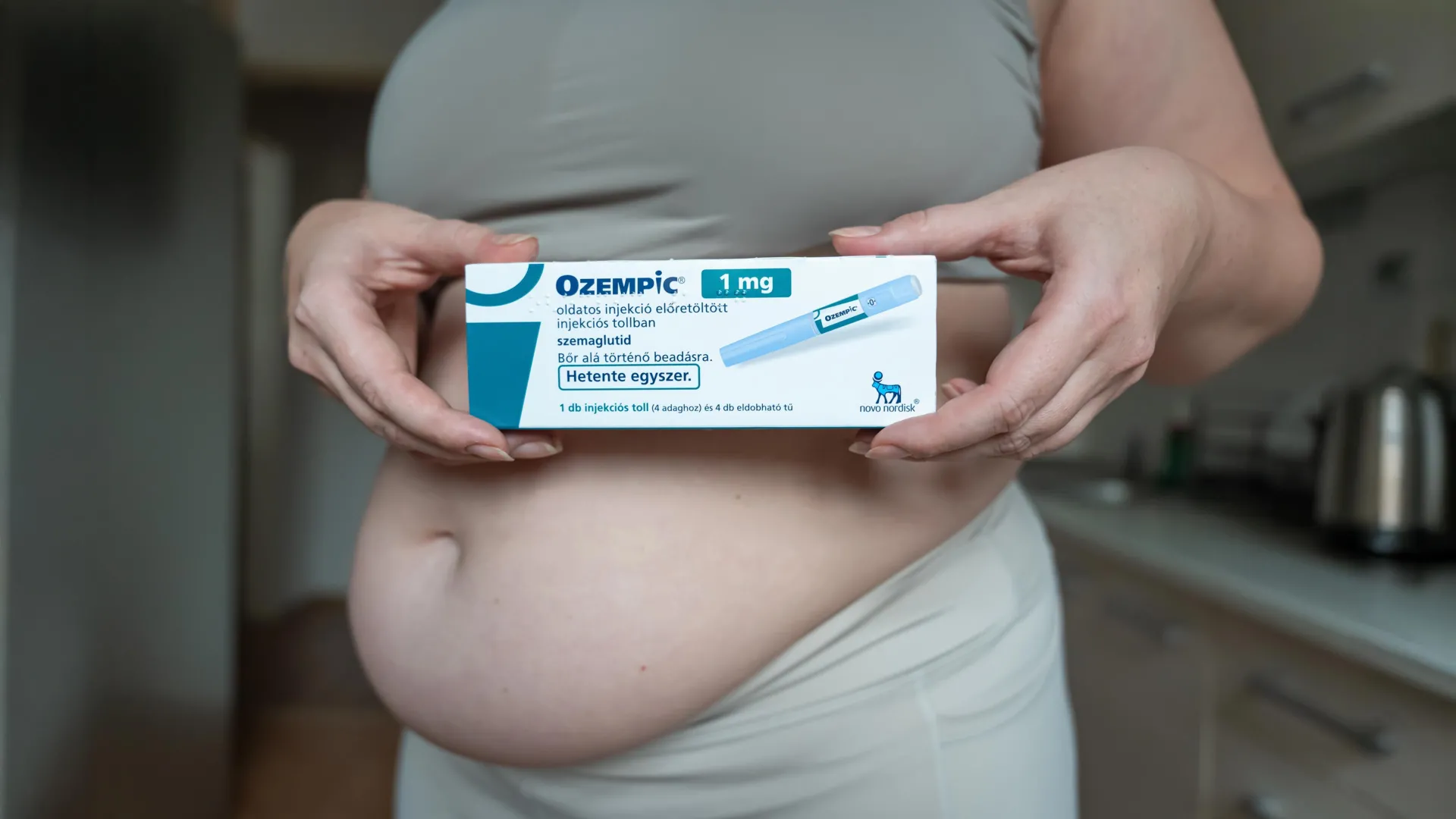
Ozempic, Wegovy Tied to Preterm Birth Risk Only When Prescribed for Diabetes, Study of 750,000 Pregnancies Finds
Women who unintentionally used weight loss drugs like Ozempic and Wegovy shortly before or during early pregnancy faced a higher risk of premature birth, but only when prescribed the medications for existing diabetes, ScienceDaily reported on Monday.
Researchers examining more than 750,000 pregnancies found no significant link between the medications and premature delivery among women taking them solely for weight management. The findings suggest the underlying condition of diabetes, rather than semaglutide or liraglutide, drives the risk.
Registry Data on 756,636 Pregnancies
The study utilized Denmark’s nationwide health registries to review 756,636 single-baby pregnancies among 480,231 women, covering deliveries from October 1, 2009, through December 31, 2023. Researchers tracked possible accidental exposure during a 16-week window surrounding the last menstrual period, identifying 529 pregnancies with prescription records for GLP-1 receptor agonists.
Adjusting for factors like maternal age, body mass index, and smoking habits isolated the diabetes connection. Compared to unexposed mothers, adjusted odds for premature delivery jumped 70% for women taking liraglutide for diabetes and 84% for those taking semaglutide for diabetes.
Clinical Guidance and Future Research
Current medical guidance advises stopping GLP-1 treatments eight weeks before planning a pregnancy, a recommendation based on animal models rather than real-world data. Professor Henriette Svarre Nielsen noted the rapid increase in prescriptions makes accidental early exposure inevitable.
“GLP-1 RA treatment has, within the last few years, become the medication with the sharpest increase in prescriptions worldwide,” Nielsen told ScienceDaily. “Current guidance suggests the treatment should be stopped eight weeks prior to planning a pregnancy. However, this is based on early-phase model organism studies, and not real-world evidence. Nonetheless, because of its widespread adoption, inadvertent exposure in early pregnancy is inevitable, and there is hardly any evidence to guide clinical counseling when it happens.”
Lead author Dr. Kathrine Hviid emphasized that future trials and patient consultations must account for why a patient takes the drugs.
“We found that these medications were associated with an increased risk of preterm birth, but the risk was only present when the medication was used for diabetes treatment, and not for weight management,” Hviid told ScienceDaily. “This suggests that the underlying condition of diabetes, rather than the medication, may be driving this association.”