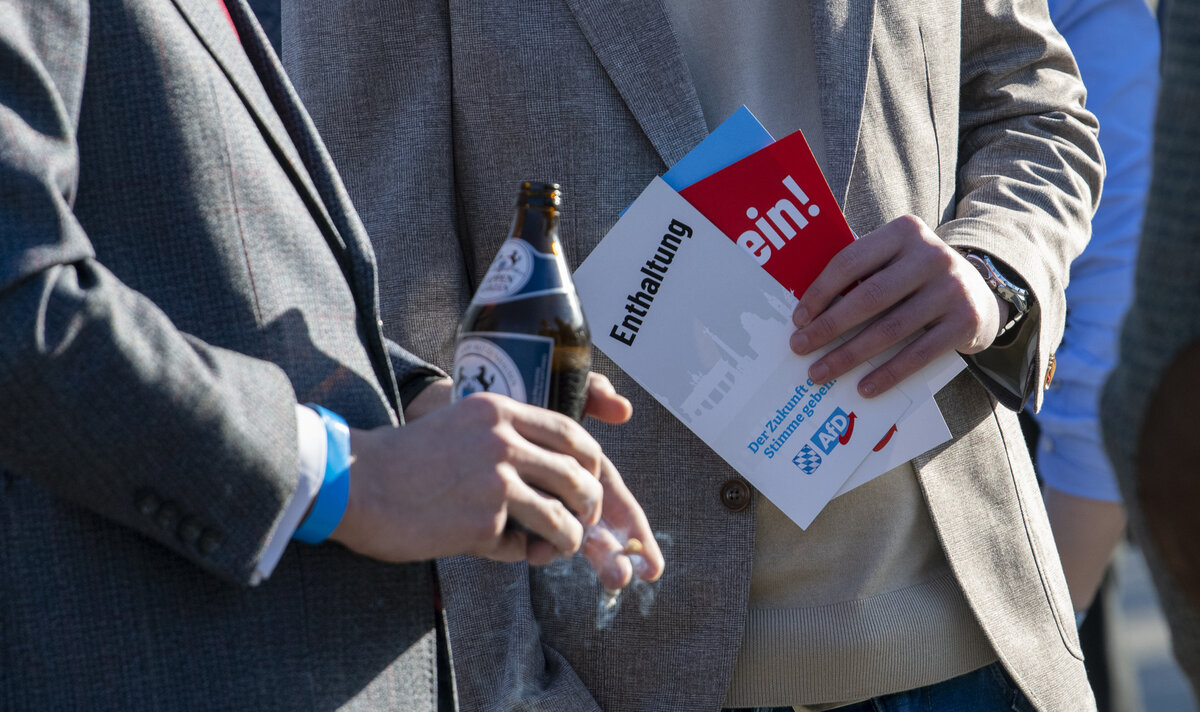
Denial of Far-Right Xenophobic Slogans
In the wake of Germany’s AfD party conference, where far-right chants including “Deutschland den Deutschen, Ausländer raus!” were reportedly sung, a cultural flashpoint has ignited across European media circles, raising urgent questions about hate speech in public gatherings, the liability of event organizers, and the role of far-right symbolism in contemporary political discourse—issues that now intersect directly with entertainment law, crisis communications, and venue risk management as authorities investigate potential violations of Germany’s Volksverhetzung laws.
The Legal Tinderbox: When Political Rhetoric Crosses Into Criminal Territory
The incident, reported by the Bayerische Staatszeitung and corroborated by multiple attendee testimonies, centers on allegations that participants chanted extremist slogans during a closed-door session of the Alternative for Germany (AfD) party congress held in late March 2026. While the AfD has denied official endorsement of the chants, citing individual misconduct, prosecutors in Bavaria have opened a preliminary investigation under Section 130 of the Strafgesetzbuch (StGB), which criminalizes incitement to hatred—particularly when directed at national, racial, or religious groups. Legal experts note that even if the chant was not sung by party officials, organizers could face liability under German event safety regulations if they failed to prevent or report known extremist activity.
“In Germany, context is everything when evaluating speech—but when a political gathering becomes a platform for banned slogans, the line between protected expression and criminal incitement blurs fast. Event hosts aren’t just responsible for logistics; they bear a duty of care to monitor and mitigate hate speech in real time.”
This duty of care extends beyond political rallies into the entertainment sphere, where venues hosting concerts, festivals, or private events increasingly rely on regional event security and A/V production vendors trained to identify and respond to extremist symbolism or hate-fueled rhetoric. As seen in recent cases involving far-right disruptions at music festivals in Saxony and Thuringia, failure to act can result in venue shutdowns, fines, or civil liability—especially when such incidents go viral and trigger brand safety concerns for sponsors and performers.
The Entertainment Industry’s Shadow Liability: From Stages to Streams
The AfD incident underscores a growing anxiety among entertainment lawyers and crisis PR firms: that political events, even when not explicitly entertainment-adjacent, can become cultural flashpoints with reputational blowback for associated artists, venues, or digital platforms. Consider the 2024 backlash against a techno festival in Brandenburg after far-right attendees attempted to co-opt the event—leading to sponsor withdrawals and a 30% drop in ticket sales the following year, according to data from the German Festival Association (Deutscher Veranstaltungswirtschaft).
the rise of livestreaming has complicated accountability. Clips of the alleged AfD chants began circulating on Telegram and fringe YouTube channels within hours, amassing over 2.1 million views across platforms by April 18, per social listening data from Meltwater. While mainstream platforms like YouTube and TikTok removed the most explicit content under their hate speech policies, fragments persisted in altered forms—raising challenges for crisis communication firms and reputation managers tasked with containing narrative spread in decentralized media ecosystems.
“The real danger isn’t the initial act—it’s the algorithmic afterlife. A ten-second clip can be remixed, recontextualized, and weaponized across borders before legal teams even finish drafting a statement. Proactive monitoring isn’t optional; it’s operational infrastructure.”
Directory-Ready Responses: Who Steps In When Culture Collides with Extremism?
When political gatherings veer into legally hazardous territory, the entertainment industry’s support infrastructure mobilizes in predictable layers. First, IP lawyers and entertainment attorneys assess whether any copyrighted material—such as music, logos, or choreography—was used without authorization in extremist contexts, potentially triggering takedown notices or infringement claims. Second, luxury hospitality sectors and venue operators review contracts with political clients, often invoking morality clauses or force majeure provisions to mitigate future risk. Finally, talent agencies and publicists begin auditing client affiliations, aware that perceived association—even indirect—can affect endorsement deals, streaming partnerships, or awards eligibility.
This ecosystem of response is not reactive; it’s increasingly proactive. Major German production houses now require political clients to undergo vetting through third-party compliance firms before granting access to studios or broadcast facilities—a practice mirrored in the U.S. After the January 6 Capitol riot, where firms like Creative Artists Agency (CAA) revised their client onboarding protocols to include extremism risk assessments.
As Germany grapples with the implications of this latest AfD controversy, the incident serves as a stark reminder that in today’s hyperconnected media landscape, the boundaries between politics, protest, and pop culture are not just porous—they’re perilously thin. For entertainers, venues, and platforms navigating this terrain, vigilance isn’t just ethical; it’s existential.
*Disclaimer: The views and cultural analyses presented in this article are for informational and entertainment purposes only. Information regarding legal disputes or financial data is based on available public records.*