
Democrats Weigh Trump Impeachment Against Strategy of Normalcy
As the summer political calendar unfolds in August 2026, Democrats eyeing a House majority in November face a high-stakes strategic dilemma over how to handle President Donald Trump, weighing the explosive power of formal impeachment against a disciplined push for economic normalcy and aggressive legislative oversight.
The Normalcy Playbook in Battleground Districts
Across battleground districts nationwide, Democratic candidates are betting that the key to capturing a House majority lies in shedding Beltway jargon and presenting themselves as everyday professionals. According to reporting from NOTUS, the party is targeting “double haters”—voters disillusioned with both President Donald Trump and the Democratic Party—by emphasizing kitchen-table economic pressures rather than getting bogged down in national political vitriol.
Michigan Democratic Representative Kristen McDonald Rivet, who won her Trump-supporting district in 2024, has emerged as a blueprint for this messaging shift. Speaking with NOTUS, McDonald Rivet emphasized the core of the strategy: focusing on hard work and using language familiar to average voters rather than partisan talking points. Candidates such as Rebecca Bennett in New Jersey, Zach Dembo in Kentucky, and Chaz Molder in Tennessee are similarly shaping their campaigns around local economic concerns.
What a Democratic House Majority Enables: Oversight and Impeachment
While candidates on the campaign trail emphasize local normalcy, a Democratic takeover of the House in November would instantly grant the party formidable constitutional powers. According to Factually, a new Democratic majority would secure the simple-majority power to launch formal impeachment proceedings, issue subpoenas, compel testimony, and open expansive investigations into the Trump administration.
However, party leaders remain sharply divided on whether pursuing a third impeachment is a sound tactical move. As Factually notes, removal from office still requires a steep two-thirds supermajority in the Senate—a threshold that remains practically out of reach without substantial Republican defections. While some House Democrats argue that impeachment is essential for accountability and deterrence, others caution that a failed removal effort could backfire by energizing Trump’s base and distracting from economic messaging.
Weighing Policy Friction Against Legislative Risk
Beyond the high-profile debate over impeachment, Democratic control of the chamber would immediately alter the legislative landscape through aggressive oversight. According to Factually, expanded document demands, committee hearings, and floor blocks would give Democrats the tools to hamper the White House agenda, complicate budget negotiations, and shape the public record leading into the 2028 presidential cycle.
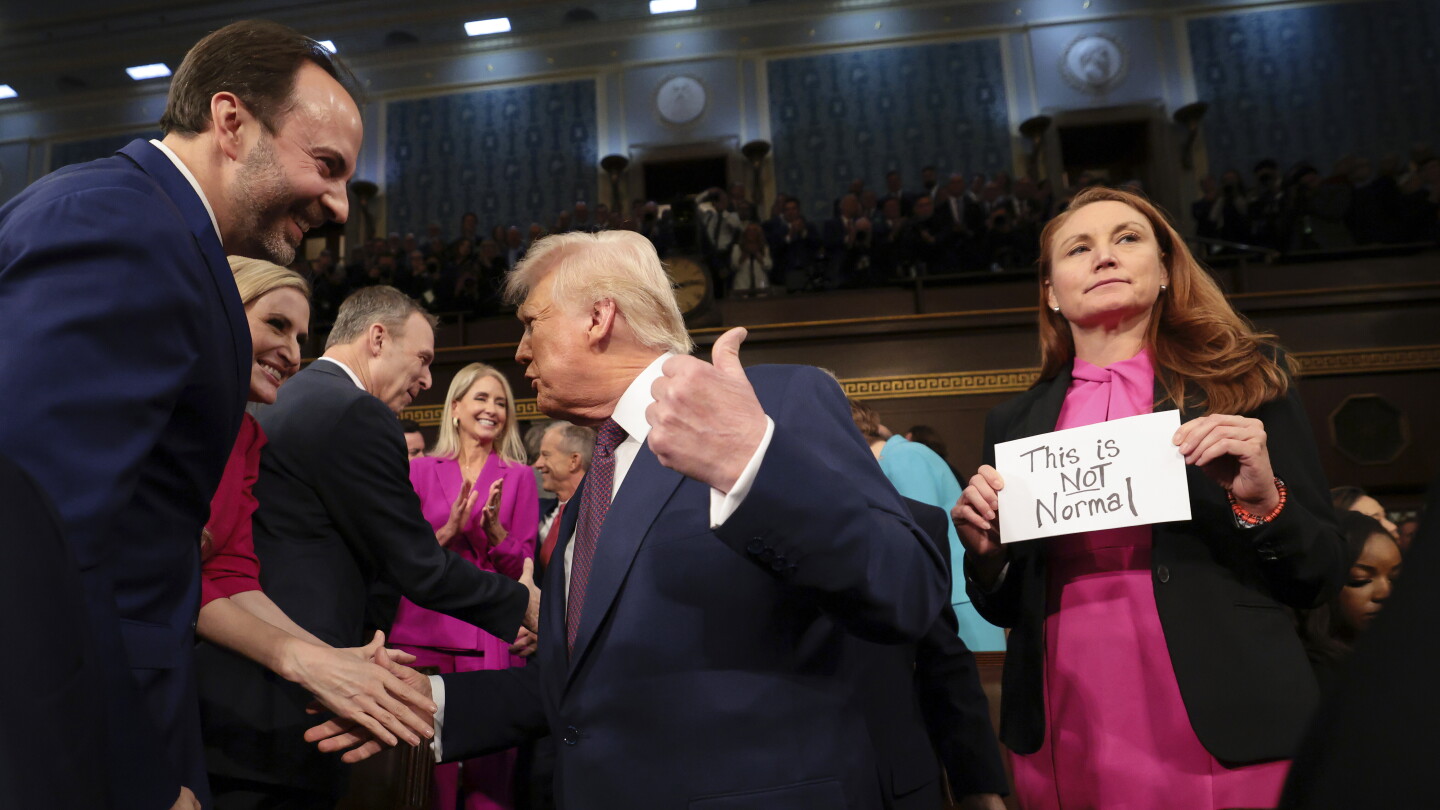
Republicans, meanwhile, have dismissed the Democrats’ “normalcy” messaging as a superficial rebrand. Representatives for the National Republican Congressional Committee argue that primary electorates have already pushed Democratic nominees toward the left, handing the GOP a clear opening to frame their opponents as out-of-touch extremists.
As the November elections draw closer, the ultimate success of the Democratic strategy will depend on whether voters buy the promise of a toned-down, economically focused opposition, or if the looming shadow of impeachment and congressional gridlock dominates the national debate.
Disclaimer: The views and cultural analyses presented in this article are for informational and entertainment purposes only. Information regarding legal disputes or financial data is based on available public records.