
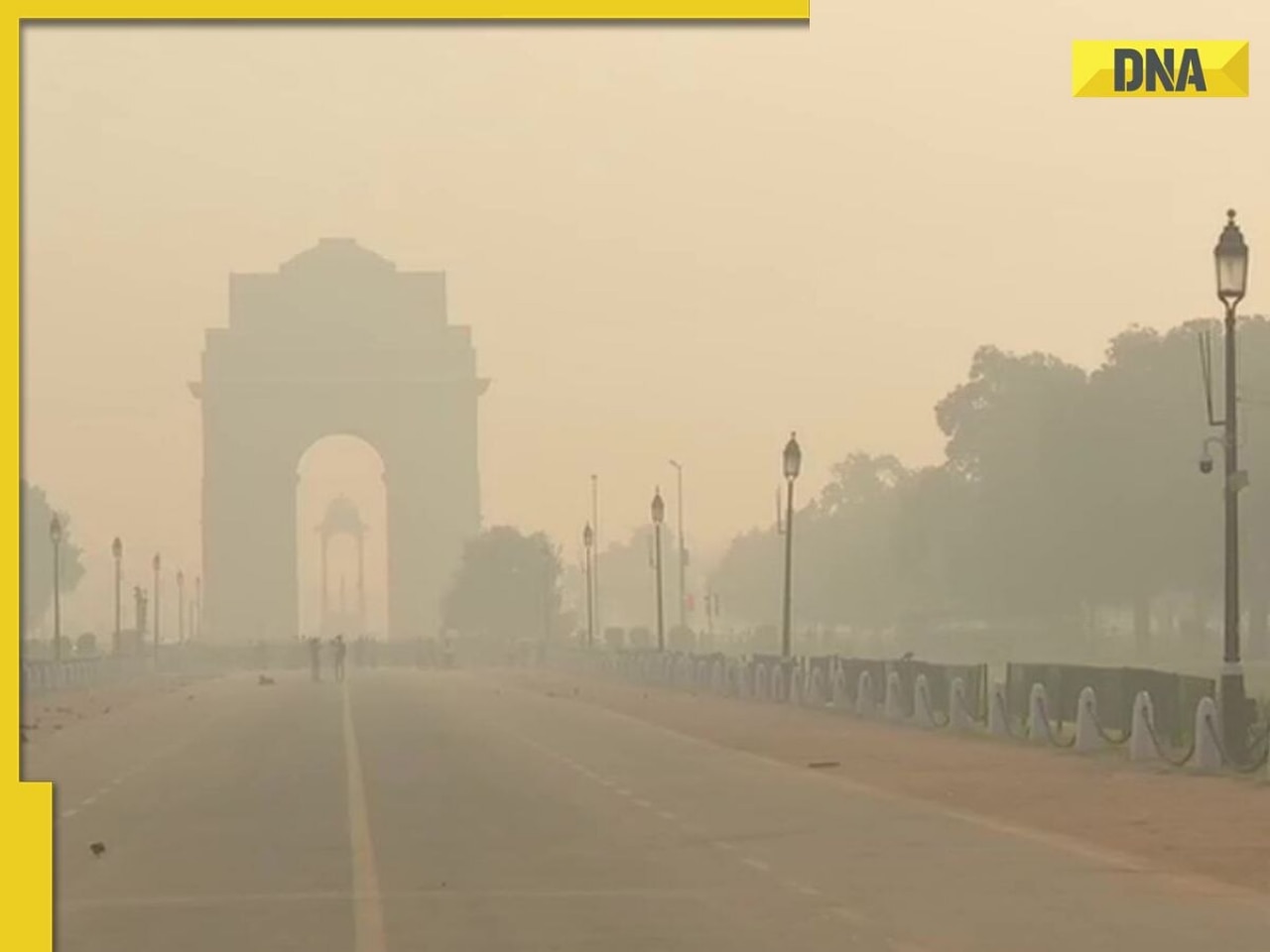
Delhi’s transport restrictions are now at the center of a structural shift involving severe air‑quality degradation. The immediate implication is heightened operational risk for logistics, supply chains, and regional economic activity.
The Strategic Context
Delhi has long grappled with seasonal smog driven by a combination of vehicular emissions, construction dust, and agricultural residue burning in surrounding states. The recurring spikes in the air Quality Index (AQI) have prompted the central government’s Graded Response action Plan (GRAP), a tiered framework that escalates curbs as pollution thresholds are crossed. The latest escalation to the fourth stage reflects a broader pattern in megacities where environmental stress becomes a catalyst for regulatory tightening, influencing urban mobility, energy demand, and commercial logistics.
Core Analysis: Incentives & Constraints
Source Signals: The Delhi Environment Minister announced that,from 18 December,only BS‑6 compliant vehicles may enter the city,with all other external vehicles banned. Heavy penalties and seizure of trucks carrying construction material were stipulated. Additionally, petrol pumps will refuse fuel to vehicles lacking a valid Pollution Under Control (PUC) certificate. The commission for Air Quality Management has imposed the strictest anti‑pollution curbs under GRAP, banning non‑essential construction, moving schools online, and reducing office attendance to 50 %.
WTN Interpretation: The timing aligns with the seasonal winter inversion that historically worsens Delhi’s smog, creating political pressure to demonstrate decisive action. By targeting out‑of‑city vehicles,the state leverages its regulatory authority to curb a major source of particulate matter while signaling compliance with national environmental mandates. The emphasis on BS‑6 standards reflects a broader shift toward stricter emission norms across India, driven by both domestic health concerns and international climate commitments. Constraints include the economic cost to freight operators,potential supply‑chain disruptions for construction and manufacturing sectors,and the administrative burden of enforcing PUC compliance at fuel stations. The government’s leverage rests on its control of entry permits and fuel distribution, but it must balance enforcement with the risk of stalling essential goods movement, especially given Delhi’s role as a logistics hub.
WTN Strategic Insight
“Urban air‑quality crises are increasingly being weaponized as regulatory levers that reshape logistics networks and accelerate the adoption of cleaner vehicle technologies.”
Future Outlook: Scenario Paths & Key Indicators
Baseline Path: if the AQI remains above critical thresholds and the GRAP stays at stage four, the vehicle ban and PUC enforcement will persist, prompting freight operators to accelerate fleet upgrades to BS‑6 compliance, shift routes to option corridors, or increase reliance on rail and multimodal hubs outside the NCR. Supply‑chain planners will incorporate higher buffer inventories for construction materials and adjust delivery schedules to accommodate reduced road capacity.
Risk Path: If enforcement gaps emerge-e.g., widespread non‑compliance at fuel stations or legal challenges to the entry ban-pressure could mount on the Delhi management to relax curbs, possibly leading to a resurgence in pollutant levels. In that scenario, acute health alerts could trigger emergency shutdowns of industrial zones, amplifying economic disruption and prompting central government intervention.
- Indicator 1: Weekly AQI trends for Delhi and surrounding NCR districts (especially during winter months).
- Indicator 2: Volume of BS‑6 compliant vehicle registrations and reported PUC compliance rates at Delhi fuel stations.
