
Deep Brain Stimulation for Parkinson’s: Restoring Movement and Independence
For millions living with Parkinson’s disease, the transition from manageable tremors to debilitating motor fluctuations marks a critical clinical crossroads. Whereas pharmacological interventions remain the first line of defense, the emergence of neuromodulation—specifically Deep Brain Stimulation (DBS)—is fundamentally altering the trajectory of advanced disease management.
Key Clinical Takeaways:
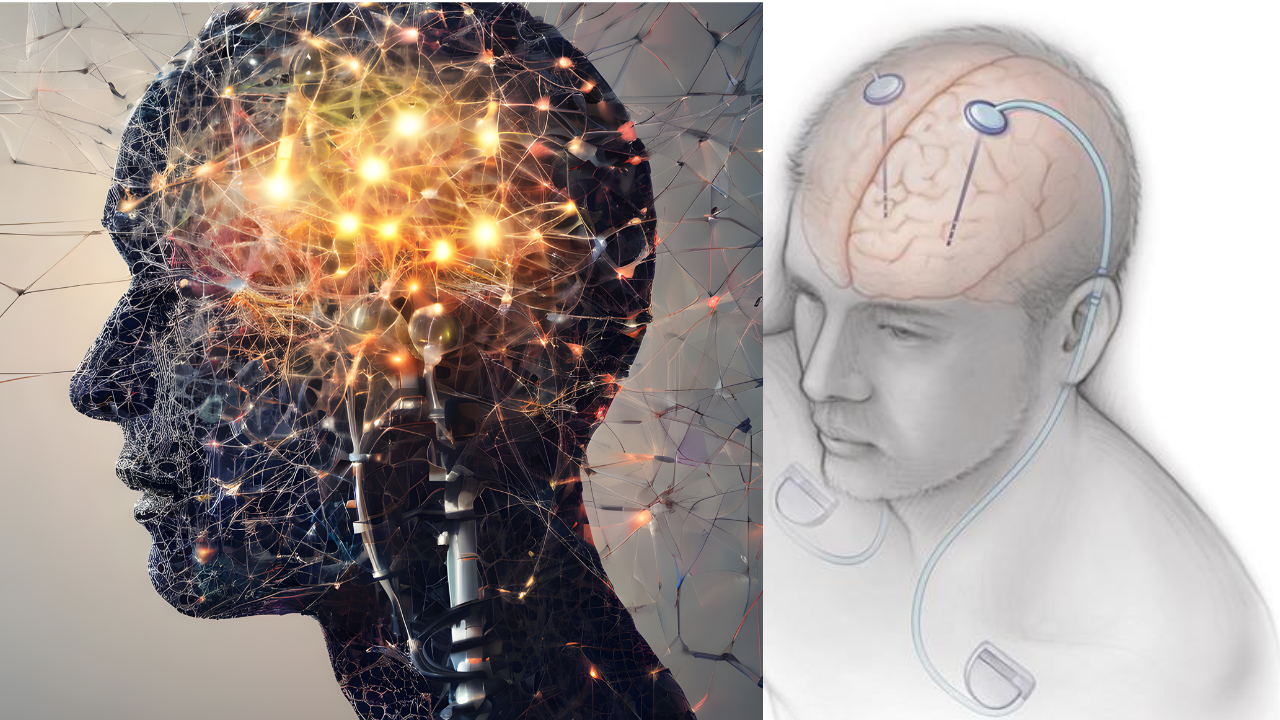
- Deep Brain Stimulation (DBS) acts as a “brain pacemaker,” utilizing implanted electrodes to regulate abnormal neural signaling and reclaim motor independence.
- Recent predictive tools, including video-based machine learning models published in Nature, are enhancing the precision of patient selection to improve surgical outcomes.
- Integrated support systems, such as decision-making tools from the University of Colorado Anschutz and support groups at UT Health San Antonio, are mitigating patient anxiety and improving informed consent.
The pathogenesis of Parkinson’s disease involves the progressive loss of dopaminergic neurons, leading to the classic triad of tremors, rigidity, and bradykinesia. For many, the standard of care begins with levodopa and other dopaminergic medications. However, long-term reliance on these drugs often results in “off” periods—intervals where medication efficacy wanes—and the development of dyskinesia. This clinical gap creates a significant morbidity burden, where patients lose the ability to perform basic activities of daily living, necessitating a shift toward surgical intervention.
The Mechanism of Neuromodulation: The Brain Pacemaker
Deep Brain Stimulation represents a sophisticated leap in treating advanced Parkinson’s. By surgically implanting electrodes into targeted areas of the brain, clinicians can deliver continuous electrical impulses that modulate dysfunctional circuits. This process effectively overrides the erratic signaling responsible for motor impairment, offering a level of stability that medication alone cannot sustain. In recent clinical applications, such as those seen in Mumbai, this technology has successfully revived independence in elderly patients who had previously lost significant autonomy.
Because the procedure involves invasive neurosurgery, the stakes for patient selection are exceptionally high. Patients navigating these complex decisions should seek guidance from board-certified neurologists to determine if pharmacological options have been fully exhausted and if their specific symptom profile aligns with the indications for DBS.
Precision Selection and Predictive Analytics
One of the primary hurdles in DBS adoption is the uncertainty regarding which patients will experience the most significant benefit. To address this, the University of Colorado Anschutz has developed a first-of-its-kind tool designed to help patients and clinicians decide if DBS is the appropriate clinical path. This tool moves the decision-making process from subjective assessment to a more structured, evidence-based framework.
Parallel to this, the integration of artificial intelligence is refining outcome predictions. A study published in Nature highlights the use of video-based machine learning models to predict DBS outcomes. By analyzing movement patterns through video data, these models can provide a quantitative projection of how a patient will respond to the stimulation, reducing the risk of suboptimal surgical results. This shift toward predictive analytics ensures that the surgical intervention is reserved for those with the highest probability of success, thereby optimizing healthcare resource allocation.
The surgical implantation of the pulse generator and the precise placement of electrodes require the expertise of specialized neurosurgery centers equipped with advanced intraoperative imaging and mapping technology.
Addressing the Psychological Barrier to Surgery
Despite the clinical efficacy of DBS, the prospect of brain surgery often triggers significant patient anxiety. This psychological friction can lead to the avoidance of necessary treatment. Recognizing this gap, UT Health San Antonio has implemented dedicated support groups aimed at easing fears surrounding the procedure. By connecting prospective patients with those who have already undergone the surgery, these programs provide a peer-led validation of the safety and benefits of the intervention.

Clinical success is not measured solely by the cessation of tremors but by the restoration of quality of life. Post-operative recovery is optimized when the surgical intervention is paired with physical therapy and rehabilitation specialists who can help patients relearn motor patterns and maximize the functional gains provided by the stimulation.
Comparative Overview of DBS Ecosystem Advancements
The current landscape of Parkinson’s care is moving toward a holistic “ecosystem” approach, combining surgical precision with predictive data and psychological support.
| Innovation/Tool | Developing Institution | Clinical Objective | Impact on Patient Care |
|---|---|---|---|
| Decision-Making Tool | University of Colorado Anschutz | Patient-Provider Alignment | Improved informed consent and selection |
| Video-Based ML Models | Published in Nature | Outcome Prediction | Quantitative efficacy forecasting |
| DBS Support Groups | UT Health San Antonio | Psychological Mitigation | Reduced surgical anxiety and fear |
| DBS Implantation | Global Clinical Practice | Motor Symptom Control | Reclamation of physical independence |
The trajectory of Parkinson’s treatment is clearly shifting from a “one-size-fits-all” medication strategy to a personalized neuromodulation protocol. As machine learning continues to refine patient selection and support structures diminish the fear of surgery, DBS is poised to become a more accessible standard for those with advanced disease. The goal is no longer just the management of symptoms, but the systematic restoration of the patient’s independence.
For those evaluating these options, the integration of a multidisciplinary team—including neurologists, neurosurgeons, and rehabilitation experts—is essential. Finding vetted providers through professional directories ensures that patients receive care that adheres to the latest clinical guidelines and safety protocols.
Disclaimer: The information provided in this article is for educational and scientific communication purposes only and does not constitute medical advice. Always consult with a qualified healthcare provider regarding any medical condition, diagnosis, or treatment plan.