Deadly Indonesia Earthquake: Thousands Displaced on Flores Island Await Aid
Rescue teams in eastern Indonesia are combing through collapsed buildings and conducting aerial monitoring to locate missing survivors following a powerful earthquake that killed at least 68 people and injured 100 others. The disaster struck the province of East Nusa Tenggara, coinciding with the nation’s Independence Day celebrations, and displacing 12,800 residents.
The disaster marks the deadliest seismic event in Indonesia since a 2022 earthquake killed hundreds in West Java, according to rte.ie. As communities on Flores Island reel from the impact, local infrastructure, health facilities, and government logistics face immense pressure.
Death Toll Rises as Aftershocks Shake East Nusa Tenggara
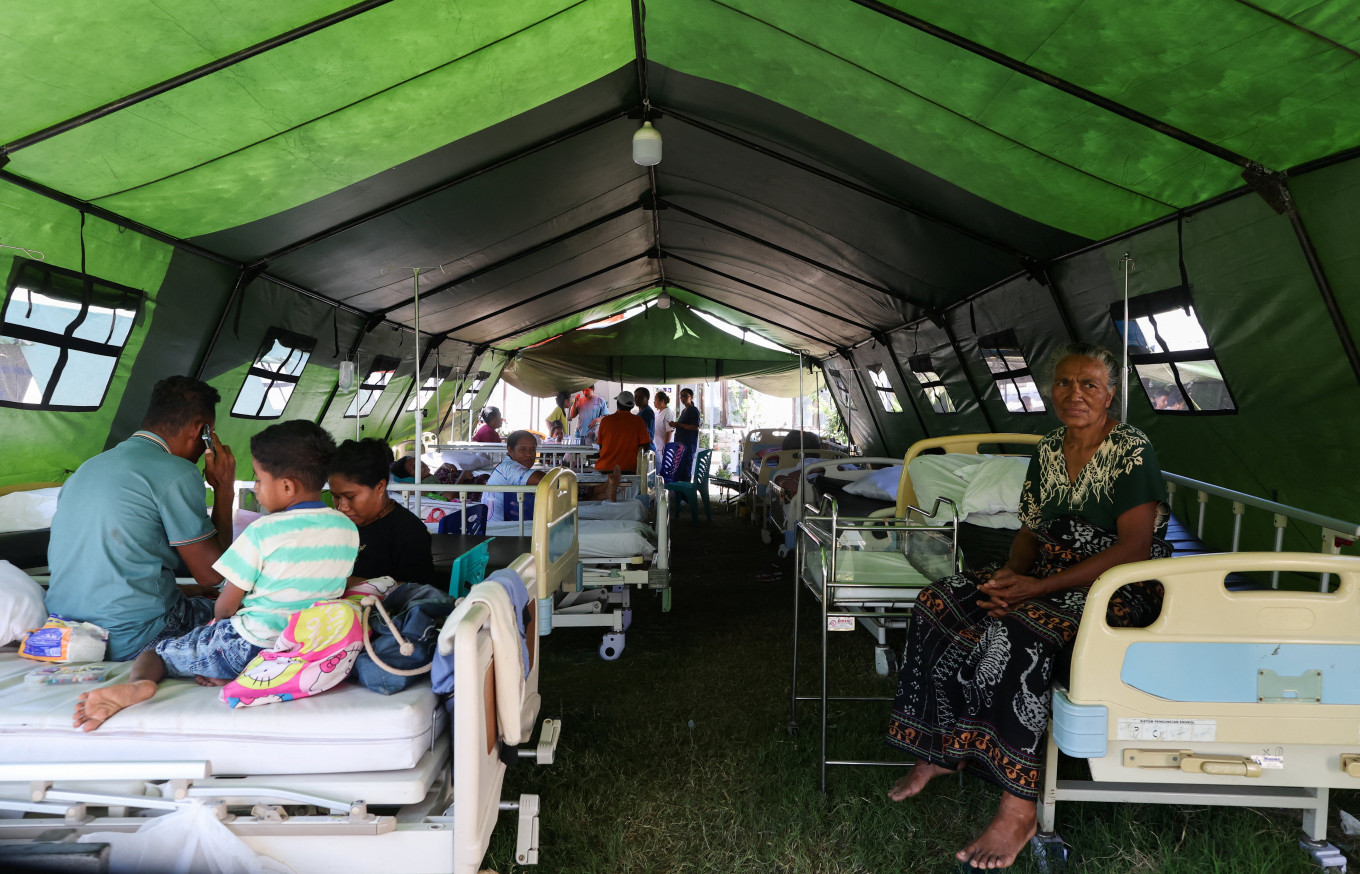
The official death toll from Saturday’s earthquake climbed to 68, according to rte.ie. The disaster triggered severe landslides and blocked vital transport routes across the southernmost province, cutting off access to regions including Sikka and Manggarai. Thousands of displaced residents have sought refuge in temporary shelters, camping out at schools, police stations, and government offices.
Fathur Rahman, chief of the rescue office in Maumere, Sikka’s capital, stated that ongoing search operations rely heavily on aerial monitoring and specialized extrication equipment deployed via helicopter to reach isolated communities. Meanwhile, the geophysics agency reported nearly 1,600 aftershocks across the province, including a magnitude 5.6 tremor centered in the Nagekeo region.
Firmus Woge, a 64-year-old farmer staying in a damaged health center car park near the Ende region, noted that the continuous shaking aggravated his asthma and made breathing difficult overnight. Deputy Health Minister Benjamin Paulus Octavianus announced that Indonesia will construct emergency field hospitals across multiple affected zones, noting an urgent demand for neurosurgeons and orthopedic surgeons to treat head trauma and broken bones.
Infrastructure Damage and Humanitarian Logistical Challenges
A disaster agency spokesman confirmed that at least 914 houses suffered severe structural damage on Flores Island, alongside hundreds of others sustaining moderate to minor impacts. Dozens of educational facilities, health centers, and regional government offices also sustained structural failures. The international NGO Save the Children reported that more than 8,000 children face acute safety risks and severe educational disruptions.
To combat logistical bottlenecks, the Indonesian Air Force airlifted 13 tons of emergency aid across three transport planes, deploying helicopters to deliver critical supplies directly to isolated survivors. The relief shipments include food supplies, clean water, clothing, and emergency medical equipment, with military personnel managing distribution hubs on the ground.
Regional Context and Lifesaving Response Operations
Indonesia remains highly vulnerable to frequent seismic events due to its position along the Pacific “Ring of Fire,” an arc of intense tectonic activity stretching from Japan through Southeast Asia. Suharyanto, chief of the national disaster mitigation agency, confirmed that relief operations remain fully mobilized, focusing on rapid shelter deployment and medical triage.

As recovery efforts extend across Flores Island, local government bodies and regional contractors face the daunting task of debris removal and temporary shelter construction.