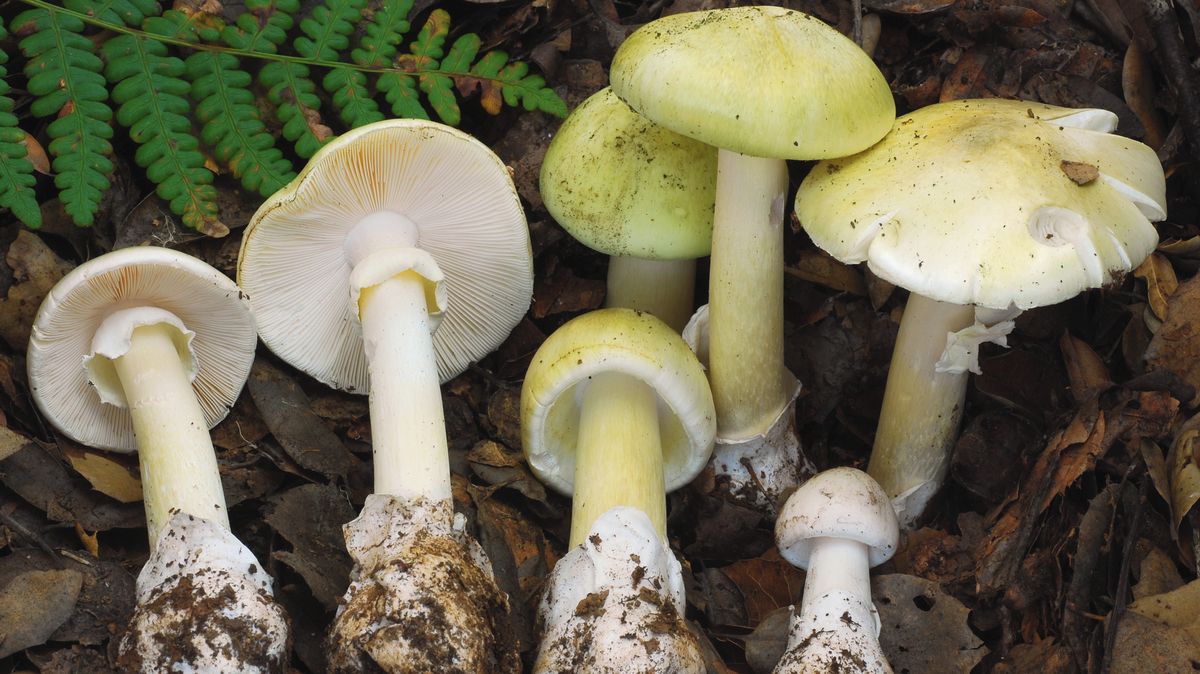
Deadly Green Mushroom: Poisoning Risk Rises in California
Four deaths and 40 hospitalizations in California have been linked to the consumption of death cap mushrooms (Amanita phalloides) between late November 2025 and early February 2026, a surge public health officials are calling “unprecedented.” The cases span a diverse demographic, including a farm worker couple from Oaxaca, Mexico and individuals ranging in age from 19 months to 67 years, according to the Associated Press.
The outbreak coincides with a particularly wet winter in California, creating ideal conditions for fungal growth. Local mycologist Rudy Diaz of the Los Angeles Mycological Society noted that while the “shroom boom” would typically excite foragers, the presence of the highly toxic death cap is causing widespread concern. He observed a recent encounter where a passerby cautioned him against foraging, fearing recent poisonings.
The death cap, originating in Europe, was likely introduced to North America via imported tree seedlings, according to Wikipedia. It forms symbiotic relationships with trees like oak, chestnut, and pine. The mushroom is notoriously difficult to identify, often resembling edible species such as Caesar’s mushroom and the straw mushroom, increasing the risk of accidental ingestion.
Amatoxins, the toxins present in the death cap, are particularly dangerous because they are thermostable, meaning cooking or freezing does not eliminate their toxicity. A dose as small as half a mushroom cap can be fatal to an adult. Symptoms of poisoning include abdominal pain, cramps, nausea, and diarrhea. Several individuals affected by the outbreak have required liver transplants.
A significant number of cases have been concentrated around the city of Salinas, where there is a substantial population with roots in central Mexico, where foraging for mushrooms is a more common practice. However, cases have also been reported among individuals who speak English, Mandarin, Russian, and Ukrainian, indicating the risk extends beyond any single community.
While the season for the death cap has ended in Southern California, it continues in the northern part of the state, suggesting the potential for further cases. Public health authorities are urging caution and advising residents to purchase mushrooms only from reputable vendors. According to the National Center for Biotechnology Information, treatment for death cap poisoning includes activated charcoal, silibinin, and N-acetylcysteine, but therapeutic success is significantly aided by early diagnosis, often requiring the expertise of a mycologist.
The western destroying angel mushroom (Amanita ocreata), another highly toxic species, is also common in coastal California regions through April, adding to the potential dangers for foragers.