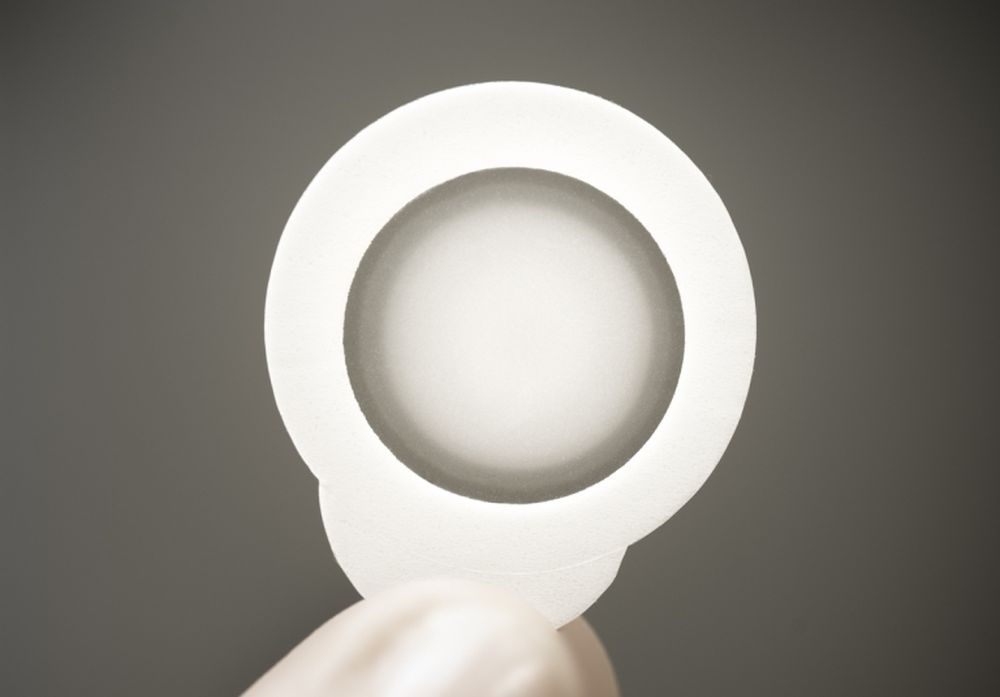
DBV Technologies Files FDA BLA for Viaskin Peanut Patch in Children
DBV Technologies has formally submitted a Biologics License Application (BLA) to the U.S. Food and Drug Administration (FDA) for Viaskin Peanut, an investigational epicutaneous immunotherapy patch designed to treat peanut allergies in children aged 4 to 7. Announced on September 30, 2026, the regulatory filing incorporates data from the Phase 3 VITESSE clinical trial, which stands as the largest immunotherapy clinical study conducted for this specific pediatric demographic.
- The FDA submission targets children aged 4 to 7 diagnosed with peanut allergies, utilizing the Phase 3 VITESSE trial data.
- DBV Technologies has requested Priority Review status for the Biologics License Application.
- The treatment relies on epicutaneous immunotherapy (EPIT), delivering low amounts of allergen proteins through the skin without injections or oral administration.
Regulatory Submission and Trial Scope
According to the regulatory announcement issued on September 30, 2026, the BLA relies primarily on the VITESSE study. This international, randomized, double-blind, placebo-controlled Phase 3 trial evaluated the safety and efficacy of the 250 µg Viaskin Peanut patch across 654 pediatric patients. Conducted at 86 clinical sites spanning the United States, Canada, the United Kingdom, Europe, and Australia, the trial randomized participants in a 2:1 ratio to receive either the active patch or a placebo over a 12-month primary evaluation period. Following this double-blind phase, patients became eligible to enroll in an open-label extension phase, in which all participants receive the patch for a total treatment duration of up to three years.
The FDA previously granted the investigational patch Breakthrough Therapy Designation. Commenting on the regulatory milestone, Daniel Tassé, Directeur Général of the group, noted in the corporate filing that the submission represents a major operational transition for the company. “Le dépôt de notre demande de licence biologique (BLA) pour le patch Viaskin Peanut, une option thérapeutique non invasive et pratique, constitue une étape importante vers la mise à disposition de ce traitement pour les enfants âgés de 4 à 7 ans souffrant d’une allergie à l’arachide. Il marque également un jalon majeur dans la transformation de DBV en organisation commerciale”, Tassé stated.

Mechanism of Epicutaneous Immunotherapy
The therapeutic mechanism rests on epicutaneous immunotherapy, or EPIT. The Viaskin patch delivers low amounts of allergen proteins through the skin. By using the immunological properties of the skin, the patch is designed to progressively desensitize children suffering from a peanut allergy. Because the delivery method requires neither oral administration nor injection, it provides a non-invasive and convenient treatment option.
Managing pediatric food allergies requires coordinated pediatric allergy care and rigorous diagnostic verification. When families evaluate emerging desensitization protocols, consulting board-certified allergists and immunologists remains essential for establishing accurate baseline food challenge metrics and ensuring patient safety throughout long-term trials or commercial rollouts.
Future Trajectory in Pediatric Food Allergy Management
As regulatory bodies review the VITESSE safety and efficacy data, the broader medical community continues to monitor how non-invasive epicutaneous delivery systems might integrate into routine pediatric practice alongside existing management strategies.
Disclaimer: The information provided in this article is for educational and scientific communication purposes only and does not constitute medical advice. Always consult with a qualified healthcare provider regarding any medical condition, diagnosis, or treatment plan.