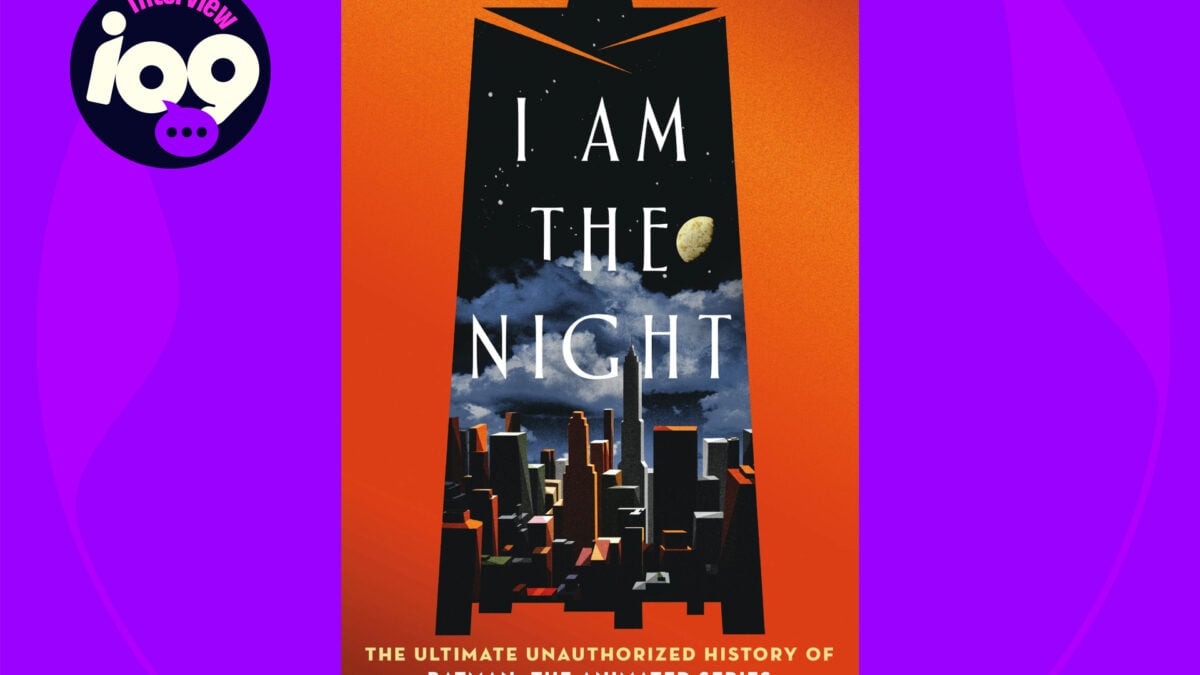
Daniel Dockery argues Batman: The Animated Series was a collective effort
In a 304-page book published to examine the narrative history of Batman: The Animated Series, journalist and author Daniel Dockery argues that Batman: The Animated Series succeeded as a collective creative gamble rather than the solitary vision of auteur Bruce Timm.
Challenging the Auteur Narrative Behind the Series
For decades, popular cultural memory has credited Bruce Timm as the singular force responsible for the success of the DC Comics animated series. Dockery counters that perspective in I Am the Night: The Ultimate Unauthorized History of Batman: The Animated Series by detailing the contributions of an expansive creative village. The book highlights the work of composer Shirley Walker, co-creator Eric Radomski, story editors Sean Catherine Derek and Michael Reaves, and writers Alan Burnett and Tom Ruegger. Dockery told io9 that reducing the show’s pedigree to a single name does a disservice to the countless professionals who shaped its tone, visual language, and narrative depth.
Production hurdles complicated that collaborative environment from the outset. Dockery tracked down contemporary sources through archives like Newspapers.com to verify specific claims about the show’s broadcast history, confirming that the series outpaced Disney’s Goof Troop in initial ratings. Behind the scenes, however, the working atmosphere involved severe friction among staff members. Archival interviews reveal that the transition in story editors from Derek to Burnett and clashes with Warner Bros. executives created an environment that was far from an assured, smooth path to prestige.
Creative Clashes on the Clayface Two-Part Episode
Creative tensions frequently surfaced during script development, most notably during the production of the two-part Clayface story “Feat of Clay.” Michael Reaves scripted the episodes with an ambitious narrative that framed the relationship between Matt Hagen and his friend Teddy with undertones of a hidden romance, reflecting self-loathing and concealment within a minority community. Storyboard artist Brad Rader leaned directly into that interpretation to make the tragedy more sympathetic. However, director Kevin Altieri exercised his own editorial control by cutting three pages from the script to introduce an early jump-scare reveal animated by TMS Entertainment, a decision that left the story editors and Rader openly furious.
The collaboration with TMS Entertainment proved temporary. The Japanese studio ultimately pulled back from subsequent work on the series due to heavy demands on its artists and compensation disagreements, shifting its focus to other Warner Bros. projects. Even with bruised egos and conflicting creative instincts driving changes to storyboarded endings—such as the removal of a classic Hollywood-style tearful departure—the resulting episodes became defining touchstones for the entire run of the program.
Did my first interview about my upcoming book, I Am The Night! It was a good time! https://t.co/qGVVLbuNny
The Lasting Industry Legacy in the Streaming Era
The industrial conditions that fostered the creative freedom of Batman: The Animated Series no longer exist in the modern streaming ecosystem. Dockery notes that contemporary animation executives at companies like Warner Bros. rarely support the type of secure, long-form budgets that allowed past crews to experiment. Animators and writers interviewed for the project expressed a recurring sentiment that the unique production environment of the early 1990s cannot be replicated under current corporate constraints. As subsequent generations of artists use the series as a manual for navigating studio mandates, the title remains a distinct anomaly in television history.
Disclaimer: The views and cultural analyses presented in this article are for informational and entertainment purposes only. Information regarding legal disputes or financial data is based on available public records.
More on Daniel Dockery
In an excerpt from his new book, Daniel Dockery explains why the Batman: The Animated Series writers didn’t like the roided-up villain’s intrusion on their Rogues Gallery. https://t.co/Bua6gcWKEM