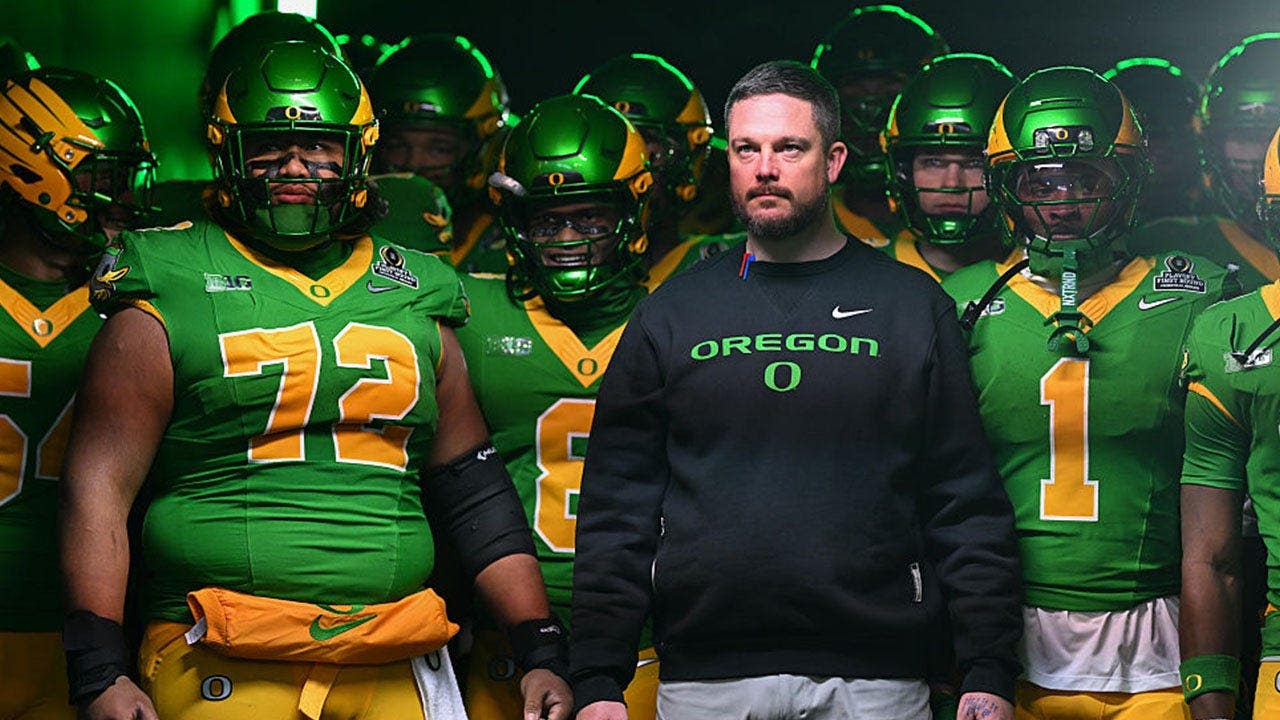
Dan Lanning Slams Unfair NCAA Rule Allowing NFL Players to Return to College Football
On August 23, 2026, Oregon Ducks head coach Dan Lanning publicly condemned ongoing court rulings that allow former college players currently under NFL contracts to return to the collegiate gridiron. Speaking to media members following practice, Lanning addressed the legal landscape triggered by a Louisiana temporary restraining order that grants 16 athletes from the 2022 recruiting class a fifth year of eligibility, arguing that the shift destabilizes roster limits and creates an unfair dynamic for amateur athletes.
The latest friction point in college athletics stems from a legal challenge filed in Louisiana. On August 20, 2026, a court granted a temporary restraining order to 16 players from the 2022 class, providing them with a fifth year of eligibility and the freedom to enter the transfer portal. High-profile athletes participating in NFL training camps, such as former Ole Miss tight end Dae’Quan Wright and former LSU defensive end Jack Pyburn, headline the group. According to reports from Heavy.com, Wright took advantage of the ruling by entering the transfer portal while simultaneously participating in preseason action for the Cleveland Browns.
This judicial intervention arrives just as the NCAA implements a five-year, age-based eligibility model. Under that framework, athletes receive five years to play five seasons, starting from their 19th birthday or initial enrollment. Yet, federal courtrooms across the country continue to chip away at traditional amateurism boundaries.
Dan Lanning Outlines the Structural Disadvantages
While the legal actions aim to expand professional opportunities for athletes, coaches face immense logistical strain. Lanning pulled no punches when evaluating the consequences of welcoming professional players back onto college campuses.
“I think there’s a lot of negatives that are involved around this,” Lanning stated during his press conference, as reported by Ducks Wire and cited by Heavy.com. “One, once you go to the NFL, to me, you’re in the NFL. You don’t get the opportunity to come back. Two, most of us have built our rosters and you have a limited roster limit now. So if you invited somebody back to your team, that means you’re kicking somebody else off your team to match your roster limits. I don’t think that’s fair to the players that worked all summer, all spring and put themselves in position to be ready to work for a team to have somebody come back.”
Lanning emphasized that the current framework damages the integrity of the sport. He noted that former standards clearly defined athletes as professionals the moment they hired agents, declared for drafts, or participated in the NFL Combine. Allowing players who have already tasted professional action to displace roster hopefuls creates an untenable environment for locker rooms.
NFL Frustrations Meet College Chaos
The friction is not isolated to college sidelines. Professional organizations are also grappling with the unexpected availability of their personnel. ClutchPoints reported comments from Cleveland Browns coach Todd Monken, who expressed bewilderment at the blurring lines between professional and collegiate obligations.

“I mean, ain’t this sh*t crazy?” Monken remarked regarding roster management complexities. “I mean, I don’t even know what to say. As far as I know, he’s had a medical issue that wasn’t allowing him to practice… And then he was cleared, so we dressed him just in case we had to have him. But when you don’t rep, it’s hard to put him on the field.”
With the college football season scheduled to kick off on August 29, 2026—featuring games such as TCU facing North Carolina in Dublin, Ireland—programs are racing to stabilize their lineups. Oregon enters the season ranked No. 2 in the AP Poll, armed with returning starting quarterback Dante Moore and backed by roster depth that insulates them from needing to court departed talent.
Unresolved Injunctions and the Road Ahead
The Tenth Circuit recently granted the NCAA a procedural ‘stay’ in related matters, but the legal challenges from the 2022 class illustrate that structural stability remains distant. As courts balance antitrust arguments against traditional governance models, athletic directors and institutional leaders must adapt to an era where roster construction is dictated as much by courtrooms as it is by coaching staffs.

Managing player movement, compliance audits, and roster limits in this volatile environment requires robust institutional support.