
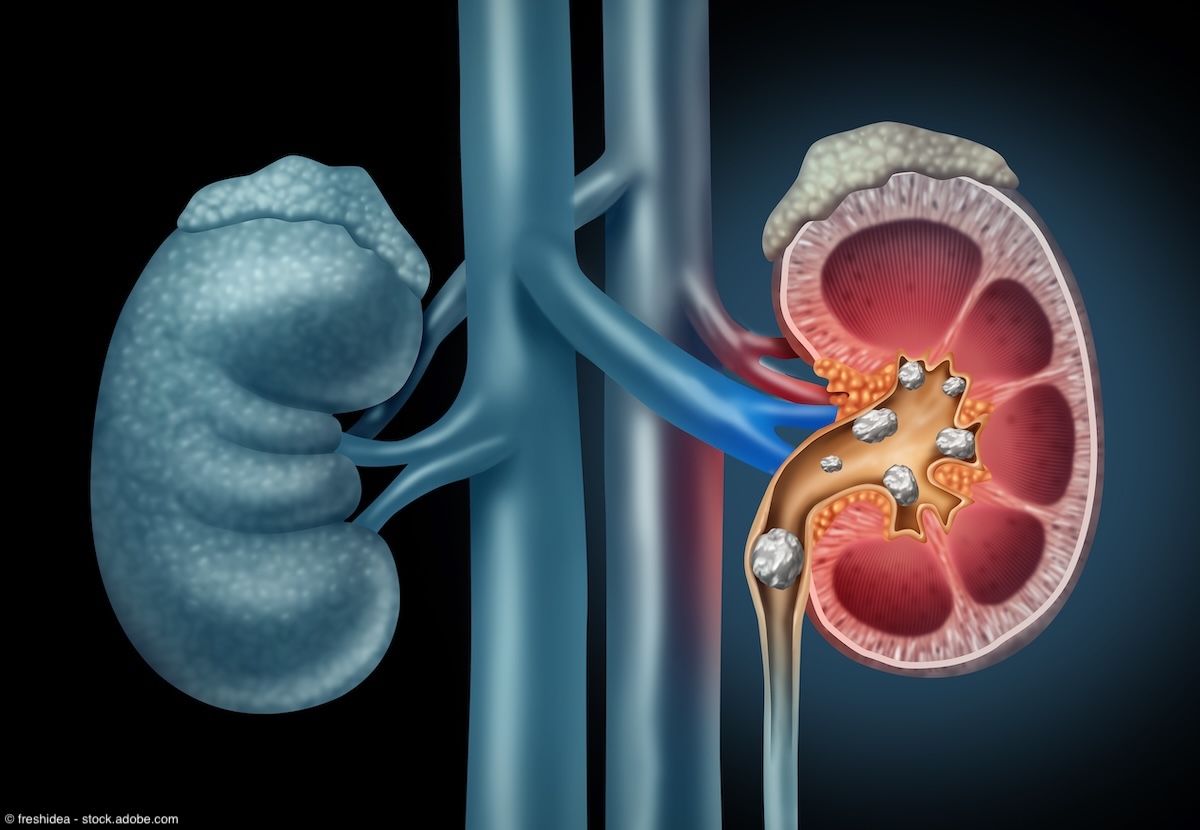
CVAC System for Kidney Stone Removal: A New Look at Efficiency and Long-Term Outcomes
Recent research is focusing on the benefits of the steerable ureteroscopic renal evacuation (SURE) system utilizing CVAC (Controlled Vacuum Aspiration, Clarification of technology) technology for kidney stone removal, comparing it to standard ureteroscopy (URS). A key finding challenges the assumption that more stones removed equates to better outcomes.Instead, the total stone burden, calculated by summing the diameters of all stones in millimeters, appears to be a more relevant metric. studies have shown comparable total stone burden between cases treated with CVAC and those treated with standard URS, even when the number of stones differed.
Beyond Initial Stone Removal: Long-Term Health Impact
The ASPIRE trial, a multi-institutional study, expands the evaluation beyond immediate stone-free rates. It investigates the impact of thorough stone removal on subsequent healthcare utilization. Researchers are tracking whether patients undergoing CVAC treatment experience fewer return visits to the emergency room, fewer hospital admissions for stone-related issues, and a reduced incidence of infection. This focus on downstream events is crucial, as recurrent kidney stones are common, and minimizing complications significantly impacts both patient well-being and healthcare costs.
Initial results from the ASPIRE trial, as detailed in a paper by Dr. Brian Matlaga, demonstrate a significantly lower rate of healthcare consumption events (HCE) in patients treated with CVAC compared to those receiving standard URS. This suggests a potential for ample cost savings for healthcare systems. Furthermore, the potential to reduce the need for percutaneous nephrolithotomy (PCNL) – a more invasive procedure involving kidney access and dilation – represents another notable benefit, perhaps minimizing patient complications and associated costs.
Addressing Safety Concerns: Intrarenal Pressure and Clinical Decision-Making
Concerns regarding pyelovenous backflow and morbidity associated with elevated intrarenal pressure (IRP) during ureteroscopy are being addressed. Recent data indicates comparable IRP levels between CVAC and standard URS techniques. This finding reassures urologists that utilizing aspiration technology dose not introduce additional risk to patients.
Given that meta-analyses and systematic reviews suggest CVAC offers superior stone-free rates and lower infectious rates compared to standard URS,the comparable safety profile strengthens the argument for it’s adoption. As the speaker in the interview states, “Since it’s better then standard ureteroscopy, and as long as it’s safer or just as safe, why not use the better technology?”
Reference:
Berrios SE, Katz JE, Finegan JL, et al. Impact of steerable ureteroscopic renal evacuation (SURE) using CVAC on intrarenal pressure. J Urol. 2025;213(5S2):e38. doi:10.1097/01.JU.0001109712.09934.41.09
