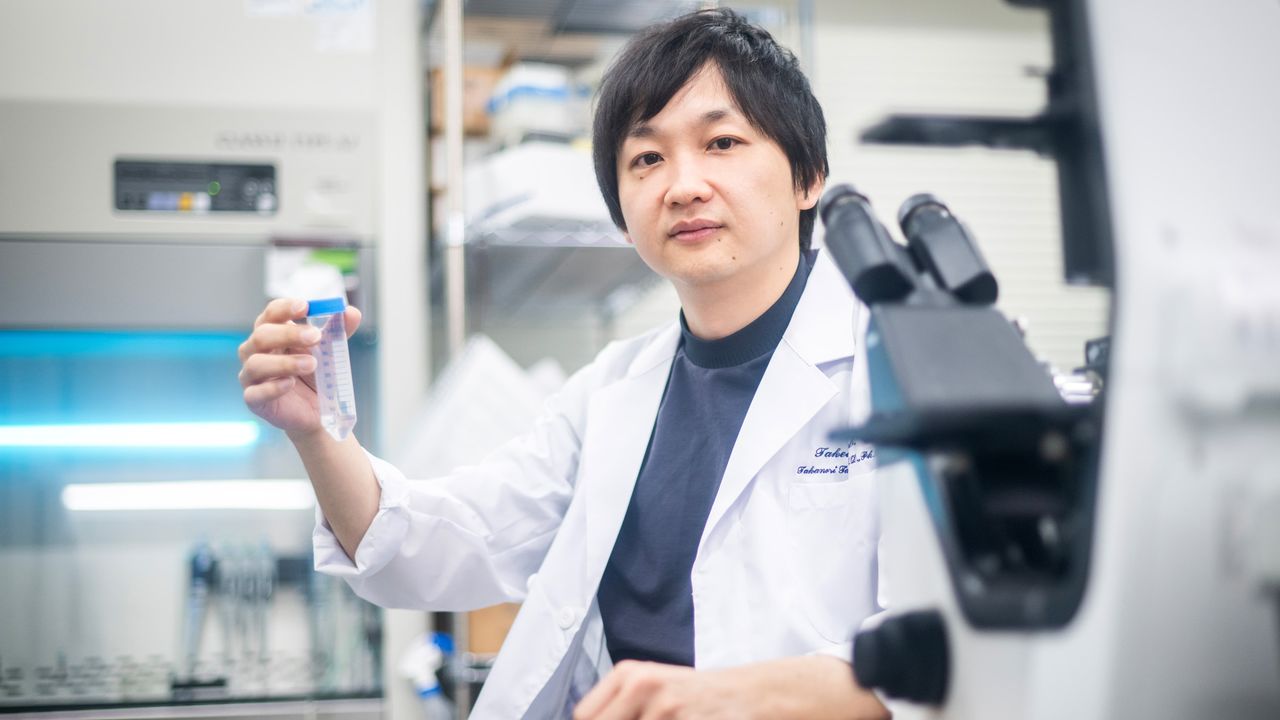
Cutting-Edge Research on iPS Cell-Derived Organoids
Japanese researchers are accelerating the development of human organoids—miniature, three-dimensional tissue structures derived from induced pluripotent stem (iPS) cells—to model complex biological processes and test therapeutic interventions. These laboratory-grown models, which mimic the architecture and functionality of human organs such as the brain, liver and intestines, are increasingly utilized to bridge the gap between traditional cell cultures and clinical human trials.
The core of this research relies on the ability of iPS cells to differentiate into virtually any cell type in the human body. By manipulating the environment in which these cells are cultivated, scientists can induce them to self-organize into structures that replicate the physiological environment of specific human organs. This capability has moved organoid technology from a conceptual tool to a functional platform for drug discovery and disease modeling, particularly for conditions where animal models have historically failed to predict human responses.
Advancing Disease Modeling and Personalized Medicine
A primary objective of current research in Japan is the creation of “disease-in-a-dish” models. By generating iPS cells from patients with specific genetic conditions, researchers can produce organoids that exhibit the same pathological features as the patient’s own tissue. This approach allows for the observation of disease progression at a cellular level and facilitates the high-throughput screening of potential pharmaceutical compounds.
In the field of neurology, researchers are developing cerebral organoids to study neurodevelopmental and neurodegenerative disorders. These models provide insights into the formation of neural circuits and the impact of genetic mutations on brain structure—processes that are difficult to monitor in living patients. Similarly, liver and intestinal organoids are being deployed to evaluate drug toxicity and metabolism, providing a more accurate assessment of how human organs interact with new chemical entities before they enter human clinical trials.
Institutional Integration and Regulatory Hurdles
The expansion of organoid research is supported by a robust network of Japanese academic institutions and specialized research centers. These entities operate under guidelines established by the Ministry of Education, Culture, Sports, Science and Technology (MEXT) and the Ministry of Health, Labour and Welfare, which govern the ethical use of stem cells and the derivation of human tissues. The integration of these technologies into the national biomedical pipeline is viewed as a strategic priority to maintain Japan’s competitive position in regenerative medicine.
Despite the technical progress, the field faces significant challenges regarding the standardization of organoid production. Because the generation of these structures involves complex biological self-assembly, ensuring reproducibility across different laboratories remains a technical hurdle. Regulatory bodies are currently evaluating how data derived from these models should be weighted in the drug approval process, specifically regarding whether organoid-based evidence can eventually reduce the reliance on animal testing in preclinical safety assessments.
Future Clinical Trajectories
While the immediate application of organoids remains focused on drug discovery and toxicology, researchers are exploring the long-term potential for regenerative therapies. The goal is to develop standardized, high-quality tissue units that could eventually be used to replace damaged or diseased tissue in patients. This shift from diagnostic modeling to therapeutic application requires rigorous validation of the stability and safety of these cells over time.
The next phase of development involves the incorporation of vascular systems into organoids to allow for the delivery of nutrients and oxygen, which is essential for the growth of larger, more mature tissue structures. Research teams are scheduled to present findings on vascularization protocols at upcoming international conferences, marking the next milestone in the effort to move organoid technology toward clinical-grade utility.