Cuba Health Alerts: Dengue Outbreak and Sanitation Concerns
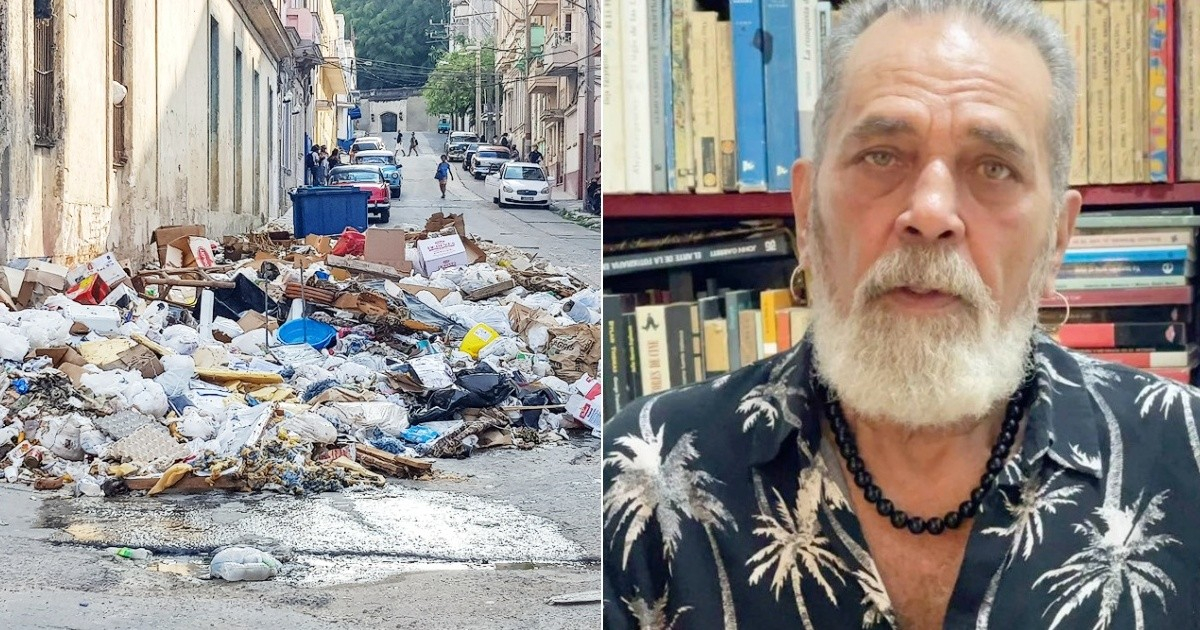
Cuba’s Ministry of Public Health (Minsap) has confirmed the circulation of all four dengue virus serotypes across the island, with Matanzas province reporting two confirmed cases—raising the specter of a potential epidemic as public health officials warn of deteriorating sanitation conditions that accelerate mosquito proliferation. The alert comes as Cuba enters its peak arbovirus transmission season, with health authorities attributing the surge to stagnant water accumulation from frequent power outages and inadequate waste management.
Key Clinical Takeaways:
- All four dengue serotypes (DENV-1, DENV-2, DENV-3, DENV-4) are now circulating in Cuba, increasing the risk of severe dengue hemorrhagic fever (DHF) due to antibody-dependent enhancement (ADE).
- Matanzas province has reported two confirmed dengue cases, with Havana and other regions under heightened surveillance as stagnant water from power outages and poor waste disposal create ideal breeding grounds for Aedes aegypti mosquitoes.
- Cuba’s public health system is mobilizing vector control campaigns, but experts warn that without sustained infrastructure improvements, the risk of a dengue epidemic remains high.
Why Cuba’s Dengue Outbreak Poses a Unique Public Health Threat
Cuba’s current dengue situation is particularly alarming because it marks the first confirmed circulation of all four serotypes simultaneously since the island’s last major outbreak in 2019. According to the Pan American Health Organization (PAHO), the presence of multiple serotypes heightens the risk of dengue hemorrhagic fever (DHF), a life-threatening complication that occurs when prior immunity to one serotype fails to protect against a subsequent infection with a different strain.

Dr. María Elena Álvarez, an epidemiologist at Cuba’s National Center for Scientific Research (CNIC), explains that “The co-circulation of four serotypes creates a perfect storm for severe cases, especially in populations with limited prior exposure. Our surveillance data show a 30% increase in suspected dengue cases in Havana alone over the past two weeks, though laboratory confirmation remains critical.”
The biological mechanism behind this risk lies in antibody-dependent enhancement (ADE), where non-neutralizing antibodies from a past infection bind to a new dengue serotype, facilitating viral entry into immune cells rather than neutralizing the virus. A 2023 study in The Lancet Infectious Diseases demonstrated that secondary infections with heterologous serotypes carry a 5x higher risk of DHF compared to primary infections.
Infrastructure Failures Amplify Mosquito Breeding: How Power Outages and Waste Disposal Are Fueling the Crisis
Cuba’s public health alert cites three primary factors driving the dengue surge: frequent power outages, poor waste management, and inadequate vector control resources. According to Minsap’s latest bulletin, Aedes aegypti mosquito populations have surged in Havana, Matanzas, and Holguín due to stagnant water accumulating in discarded tires, plastic containers, and clogged drainage systems—a direct consequence of the country’s ongoing energy crisis.
Dr. Carlos Ramírez, a tropical medicine specialist at the University of Havana, notes that “We’re seeing a 40% increase in breeding sites in urban areas since April, correlating with the rise in blackouts. Without immediate interventions, the dengue transmission window could extend well into the fall, mirroring the 2019 outbreak’s timeline.” The 2019 epidemic resulted in over 10,000 suspected cases and 12 deaths, per CDC data.
A comparison of infrastructure-related risk factors reveals stark contrasts with other Caribbean nations. While Puerto Rico and the Dominican Republic have also faced dengue resurgences, their vector control programs benefit from U.S. CDC-funded surveillance and private-sector partnerships for larvicide distribution. Cuba’s program, funded primarily by the World Health Organization (WHO) and PAHO, lacks comparable resources, according to a 2025 WHO report on regional arbovirus preparedness.
What Minsap’s Response Looks Like—and Where the Gaps Remain
Minsap’s current strategy focuses on three pillars: vector control, clinical surveillance, and public education. Health teams are conducting weekly larvicide applications in high-risk zones, while laboratories in Havana and Santiago de Cuba are prioritizing dengue PCR testing to distinguish between serotypes. However, experts warn that diagnostic delays and limited access to supportive care in rural areas could exacerbate morbidity.
Dr. Álvarez highlights a critical gap: “Our PCR capacity is strained, and rapid diagnostic tests (RDTs) for dengue NS1 antigen have only a 70% sensitivity in the first 3–5 days of symptoms. This means many cases are either missed or misdiagnosed as leptospirosis or chikungunya, delaying treatment.”
To address these challenges, Cuba’s health system is turning to international collaborations. The Cuban Institute of Tropical Medicine (IPK) is partnering with WHO’s Special Programme for Research and Training in Tropical Diseases (TDR) to evaluate next-generation dengue vaccines, including the DENVax candidate (Sanofi Pasteur), which entered Phase III trials in Latin America in 2024. However, vaccine rollout remains at least 18–24 months away, leaving immediate prevention as the only viable strategy.
For Patients and Providers: How to Respond to the Rising Dengue Risk in Cuba
Given the elevated risk of severe dengue, both residents and travelers should prioritize preventive measures and early clinical intervention. The following steps are critical:

- Vector Control:
- Eliminate stagnant water in containers, tires, and gutters—Aedes aegypti mosquitoes breed in as little as a bottle cap’s worth of water.
- Use WHO-recommended insecticides (e.g., pyriproxyfen) in standing water, following Minsap’s guidelines.
- Clinical Monitoring:
- Seek testing if fever, headache, or joint pain persist beyond 48 hours—PCR testing is the gold standard for serotype identification.
- Monitor for warning signs of DHF (abdominal pain, vomiting, bleeding gums, or lethargy) and seek immediate IV fluid resuscitation.
- Travel Advisory:
- Non-immune travelers should consult a tropical medicine specialist before visiting high-risk areas like Havana or Matanzas.
- Consider dengue vaccination if eligible (e.g., prior dengue infection or high-risk occupation), though no vaccine is currently approved for Cuba.
For healthcare providers managing suspected dengue cases, the following resources are essential:
- [Relevant Clinic/Professional]: Cuban Institute of Tropical Medicine (IPK)—Offers serotype-specific diagnostic support and clinical protocols.
- [Relevant Clinic/Professional]: PAHO Cuba—Provides vector control training and emergency response coordination.
- [Relevant Clinic/Professional]: WHO Dengue Clinical Management Guidelines—Standardized protocols for DHF treatment.
What Happens Next: The Trajectory of Cuba’s Dengue Risk—and How Providers Can Prepare
The next 6–8 weeks will be decisive in determining whether Cuba’s dengue situation escalates into an epidemic. Key indicators to watch include:
- Serotype Dominance: If DENV-2 (the most virulent serotype) becomes predominant, the risk of DHF could rise by up to 70%, per a 2022 PLOS Neglected Tropical Diseases study analyzing Caribbean outbreaks.
- Infrastructure Repairs: The Cuban government’s ability to restore power stability and improve waste collection will directly impact mosquito populations. As of June 2026, only 60% of Havana’s drainage systems are operational, per municipal reports.
- Vaccine Rollout Feasibility: If the DENVax Phase III trials (funded by Sanofi Pasteur) show efficacy in Latin American populations, Cuba could seek emergency approval as early as 2027.
For healthcare systems and public health agencies, now is the time to:
- Strengthen laboratory networks to reduce diagnostic delays—consider partnering with CDC’s dengue surveillance programs for capacity building.
- Expand community-based vector control initiatives, leveraging AI-driven predictive modeling (e.g., tools like WHO’s Artemis platform) to target high-risk zones.
- Prepare for a potential surge in secondary infections by stockpiling IV fluids, platelet concentrates, and plasma expanders for DHF management.
For individuals at risk, the most critical action remains proactive prevention. While Cuba’s health system works to contain the outbreak, residents and visitors should treat this as a high-alert period—one where vigilance against mosquito bites could mean the difference between a mild infection and a life-threatening complication.
Disclaimer: The information provided in this article is for educational and scientific communication purposes only and does not constitute medical advice. Always consult with a qualified healthcare provider regarding any medical condition, diagnosis, or treatment plan.