Cuba Denies Links to 90 Fuel Shipments Seized by US Authorities
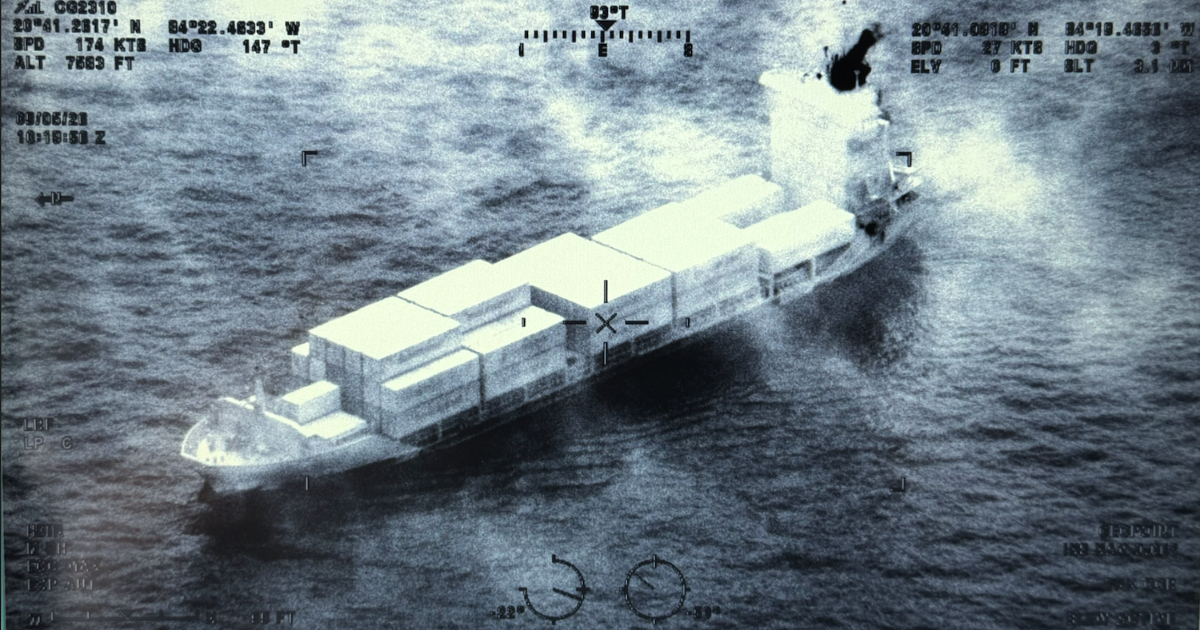
The Cuban government has denied any connection to 90 fuel shipments seized by United States authorities at Port Everglades and the port of Houston, according to a report by CiberCuba. U.S. officials claim these cargoes—totaling more than 620,000 gallons of biodiesel—were destined for the state-owned firm ENETEC S.A., an entity currently under U.S. sanctions.
Cuban Government Denial of Cargo Ownership
Vicente de la O Levy, Cuba’s Minister of Energy and Mines, rejected claims of state involvement during an exclusive interview with Reuters. He explicitly stated that no contracts existed between the Cuban government and the company identified in the U.S. seizure. “We can assure you that there was no contract of any kind with ENETEC S.A.,” De la O Levy said, adding that no state enterprise had successfully secured fuel contracts of any scale recently. This position differs from previous statements by other officials, such as Carlos Fernández de Cossío, who had condemned the U.S. interdictions as acts of "piracy" and "pillaging" without explicitly addressing the ownership of the specific vessels involved. Foreign Minister Bruno Rodríguez Parrilla also criticized the U.S. actions, stating, “The U.S. government lacks the practical and moral authority to decide what is legal under international law and free trade norms.”
US Seizes Fuel to Enforce Sanctions Against ENETEC
The total value of the fuel is estimated at approximately three million dollars. The U.S. government maintains that these actions are part of a broader strategy to enforce sanctions against ENETEC S.A., which was targeted by the Office of Foreign Assets Control (OFAC) in July 2026. The seizures occurred at Port Everglades, Florida, involving 71 tanks, and at the port of Houston, Texas, involving 19 shipments.
Private Fuel Imports Cover Less than 3% of Needs
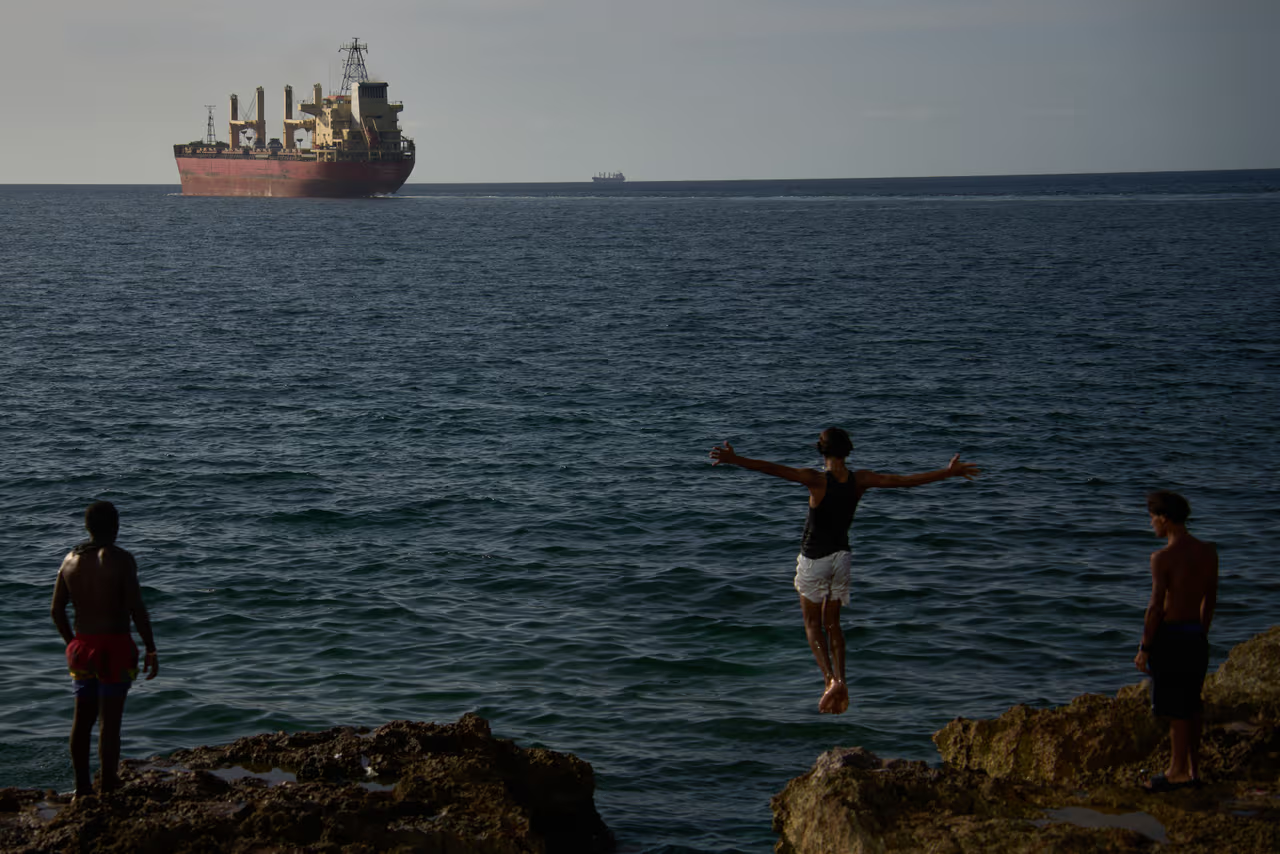
Despite the denial of involvement in the seized shipments, Minister De la O Levy acknowledged the severe energy crisis currently affecting the island. While the U.S. has permitted private Cuban entrepreneurs to import fuel since February 2026, the Minister characterized these volumes as insufficient. “I would dare say that the amount entering the country does not even cover 3% of its fuel needs,” De la O Levy noted. He explained that these private imports primarily support businesses such as package delivery, messaging, agricultural services, and hardware stores. He emphasized that “The entire economy and services, the population, everything is affected” by the lack of energy resources. Recently, the government authorized the wholesale and retail marketing of fuels by the private sector as an attempt to expand supply options.
Sherritt International Exits Moa Mines over Unpaid Debt
The dispute over energy resources coincides with the withdrawal of Sherritt International Corp. from its long-standing joint venture in the Moa nickel and cobalt mines. The Canadian company ended operations this year, citing an outstanding debt of 277 million dollars owed by the Cuban state. De la O Levy clarified that a non-binding agreement between Sherritt and the Dallas-based Gillon Capital LLC does not constitute a direct sale of the state-run mining infrastructure. “The Canadian company is publicly traded, and any investor has the right to purchase its shares,” he explained. However, the Minister warned that any future resumption of production would require resolving outstanding issues regarding fuel, spare parts, and payment management.
Renewable Energy Transition Fails to Stop Power Outages
The Cuban government continues to frame the transition to renewable energy as its primary long-term response to the ongoing fuel blockade. Nevertheless, the reliance on petroleum remains high, with 40,000 barrels of crude produced daily, most of which is used in thermoelectric plants. As the island faces frequent, prolonged power outages, the gap between current energy production and national demand continues to widen, leaving the government to balance its official denials of illicit trade against the reality of a constrained domestic energy market that requires specialized legal and logistical management to maintain basic operations.
The conflict remains unresolved as both the U.S. and Cuban governments maintain contradictory accounts regarding the intended recipients of the intercepted biodiesel.
