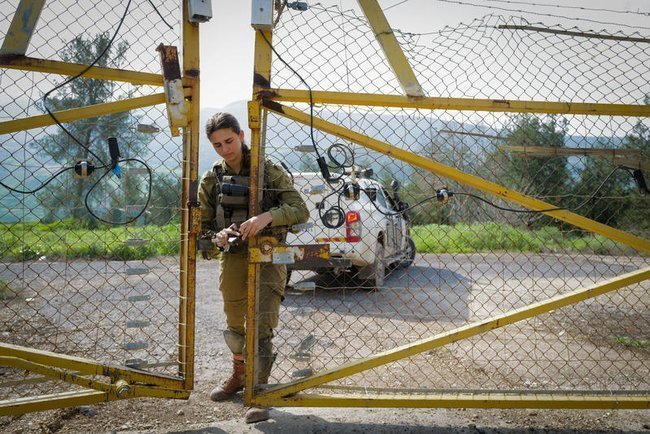
Cross-Border Smuggling Network Exposes Egypt-Israel-Jordan Link | Israel News
An investigation has exposed a cross-border smuggling network spanning Egypt, Israel, and Jordan, with authorities confirming routes used to move illicit goods—including weapons, drugs, and counterfeit pharmaceuticals—through desert border zones and commercial ports.
How the Tri-Nation Smuggling Ring Operates
The network exploits three primary corridors:

- Desert border crossings: Smugglers use remote areas near the Negev Desert and the Jordanian border, where terrain and sparse law enforcement presence create blind spots.
- Commercial ports: False invoicing at the ports of Eilat (Israel) and Aqaba (Jordan) allows contraband to be disguised as legitimate cargo, with Egyptian customs officials allegedly complicit in some cases. Port authorities in Israel have since tightened inspections, but delays have cost local businesses significant losses in lost trade revenue.
- Underground tunnels: Near the Gaza-Egypt border, tunnels—some repurposed from past conflicts—are used to move smaller shipments of weapons and electronics.
Why This Matters: Economic and Security Fallout
Beyond the immediate threat to regional stability, the smuggling ring is destabilizing local economies. In Jordan’s Aqaba, where tourism accounts for a significant portion of GDP, the seizure of counterfeit goods—including fake luxury watches and pharmaceuticals—has eroded consumer trust. “We’re seeing a sharp decline in high-end retail sales this quarter alone,” said Ahmed Al-Mansour, CEO of the Aqaba Chamber of Commerce. “Smugglers are flooding the market with substandard products, and legitimate businesses are suffering.”

Security analysts warn the network could escalate tensions. "The fact that these routes aren’t being shut down suggests a deeper systemic failure in border coordination."
Regional Responses: Who’s Doing What?
Israel has ramped up patrols along the Negev border, deploying additional drones and thermal imaging to detect smugglers at night. The Interior Ministry announced a new task force last month to investigate customs corruption, though no officials have been charged yet.
Egypt has denied involvement but admitted to “increased vigilance” in Sinai, where smuggling routes often originate. A leaked internal memo from the Egyptian General Intelligence Service, obtained by Al-Masry Al-Youm, revealed that at least three Egyptian officials have been suspended pending investigations into alleged ties to the network.
Jordan, facing economic strain from the crisis, has sought international aid to bolster its border security.
The Human Cost: Communities Caught in the Crossfire
In the Bedouin town of Al-Risha in southern Israel, residents say smugglers have co-opted local water wells to hide contraband. “The wells are dry most of the year, but smugglers pay people to let them use them at night,” said Fatimah Abu Hassan, a 42-year-old mother of five. “Now the IDF comes in and blames us for the problems, even though we didn’t ask for this.”
Jordanian authorities report a surge in human trafficking linked to the smuggling routes.
What Happens Next: Legal and Logistical Challenges
The biggest hurdle remains cross-border cooperation.

For businesses and individuals caught in the fallout, the immediate needs are clear:
- Legal defense: Smuggling-related charges carry mandatory prison sentences in all three countries. Companies accused of complicity in false invoicing are consulting white-collar defense attorneys specializing in cross-border trade laws.
- Economic recovery: Retailers in Aqaba and Eilat are turning to anti-counterfeit consultants to help rebuild trust with consumers.
- Infrastructure upgrades: Port authorities are seeking port security specialists to redesign cargo inspection protocols, though funding remains uncertain.
The Long-Term Risk: A Model for Other Regions
This network isn’t an isolated case. Similar operations have been documented in the Balkans, West Africa, and Southeast Asia, where porous borders and economic desperation create fertile ground for organized crime. “The Middle East is becoming a testing ground for new smuggling techniques,” said Jean-Paul Laborde. “If this isn’t stopped now, we’ll see these methods replicated in other conflict zones.”
The question now is whether regional leaders can act before the damage becomes irreversible. With smuggling revenues estimated at significant levels across the three countries, the incentives to dismantle the network are clear—but so are the obstacles.
“The real tragedy is that this could have been prevented with better coordination years ago,” said Laborde. “But now, the only way forward is to act—before the cost in lives and livelihoods becomes unbearable.”