Crimean-Congo Hemorrhagic Fever: New Cases Confirmed in Spain
According to reports from Libertad Digital and Salamancahoy, the confirmation marks a critical point in the year’s epidemiological tracking of the tick-borne pathogen in the Castilla y León region.
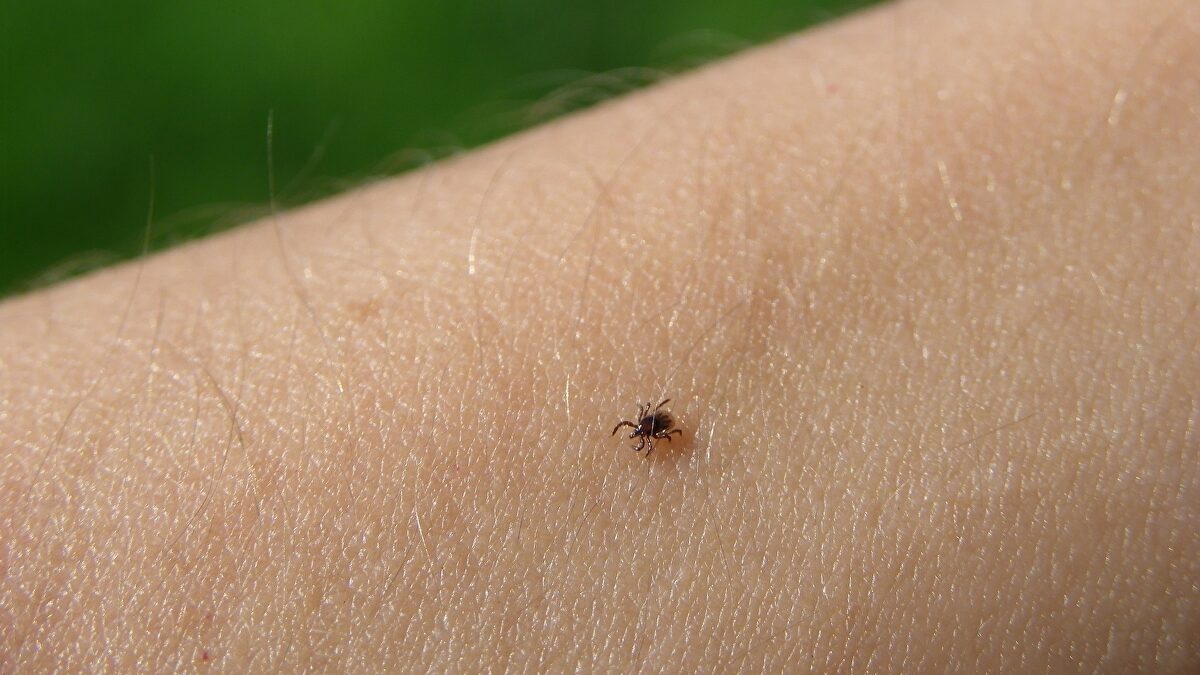
- Transmission: CCHF is transmitted to humans via the bite of infected Hyalomma ticks or through contact with infected livestock blood and tissues.
- Clinical Risk: The virus can cause severe hemorrhagic fever with a high fatality rate if not managed with early supportive care.
CCHF is caused by a tick-borne virus of the genus Nairovirus, and its pathogenesis involves widespread vascular damage and coagulopathy. According to the World Health Organization (WHO), the disease typically manifests in three stages: a sudden onset of fever and myalgia, followed by a hemorrhagic phase characterized by petechiae and ecchymosis, and finally a convalescent period.
For residents in high-risk agricultural zones or those presenting with sudden high fever following tick exposure, immediate diagnostic triage is essential.
Viral Pathogenesis and the Hyalomma Vector
The spread of CCHF in Spain is inextricably linked to the ecology of the Hyalomma tick. As noted by National Geographic España, these ticks are highly resilient and often feed on wild animals and livestock, creating a reservoir that can persist across seasons. The virus enters the human host through the skin, where it targets endothelial cells and macrophages, triggering a systemic inflammatory response. This process leads to the characteristic capillary leak and clotting malfunctions that define hemorrhagic fevers.
The clinical progression often mimics other viral syndromes, such as influenza or Dengue, which can lead to dangerous delays in diagnosis. According to PubMed indexed research on Nairoviruses, early detection is the primary factor in reducing mortality. Once the hemorrhagic phase begins, the risk of multi-organ failure increases significantly. Because there is no widely available, globally approved vaccine for CCHF, treatment remains primarily supportive, focusing on fluid management and the mitigation of bleeding complications.
Preventative Protocols and Public Health Risks
Public health experts emphasize that CCHF should no longer be viewed as a distant or exotic threat. El Mundo reports that the presence of the virus in the Iberian Peninsula requires a shift in how rural populations and livestock handlers approach personal protection. Prevention focuses on breaking the chain of transmission between the tick, the animal, and the human.
According to CuídatePlus, essential prevention measures include the use of acaricides on livestock and the application of insect repellents containing DEET on exposed skin. For those working in veterinary or slaughterhouse environments, the use of gloves and protective clothing is mandatory to prevent contact with the blood of infected animals, which can trigger nosocomial transmission in clinical settings.
Epidemiological Context and Clinical Outlook
Current research into antiviral treatments, including the study of ribavirin, continues to be a point of clinical debate. While some studies suggest efficacy when administered early, the lack of large-scale, double-blind placebo-controlled trials has prevented a universal consensus on its use as a first-line therapy. The Centers for Disease Control and Prevention (CDC) emphasizes that supportive care—including oxygen therapy and blood product replacement—remains the cornerstone of treatment.
Disclaimer: The information provided in this article is for educational and scientific communication purposes only and does not constitute medical advice. Always consult with a qualified healthcare provider regarding any medical condition, diagnosis, or treatment plan.