
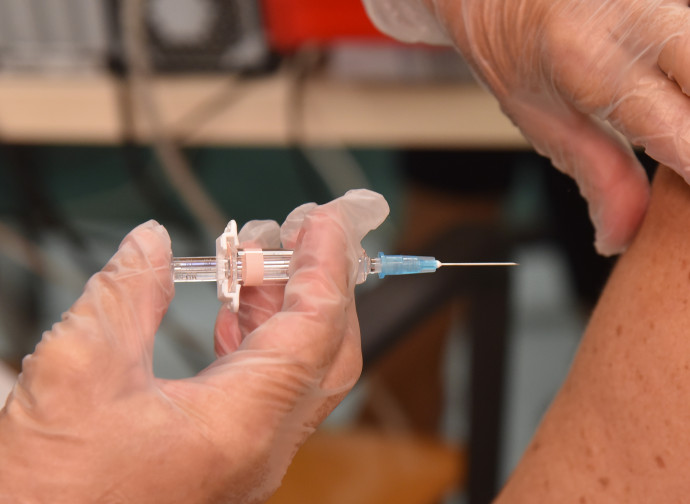
Reports of neurological and cardiovascular issues emerging after COVID-19 vaccination are prompting renewed scrutiny of vaccine side effects, despite widespread dismissal from some within the medical community. While health officials continue to emphasize the overall safety and efficacy of the vaccines, a growing number of patients are questioning a potential correlation between their post-vaccination health problems and the immunizations.
Recent research published in the New England Journal of Medicine, and further detailed in Nature, has identified a rare but potentially life-threatening blood clotting disorder linked to the AstraZeneca and Johnson & Johnson COVID-19 vaccines. These vaccines, which utilize an adenovirus vector, have since been withdrawn from use in many countries following a commercial shift towards mRNA vaccines.
In Italy, the AstraZeneca vaccine was initially prioritized for teachers and law enforcement personnel without specific scientific criteria, according to reports. The decision was driven by the Italian Ministry of Health’s procurement of vaccine quotas from the three major manufacturers – AstraZeneca, Pfizer, and Moderna – and a subsequent need to allocate doses. Following reports of severe adverse reactions in younger individuals, the vaccine’s use was later restricted to older age groups before its eventual removal from vaccination hubs.
The World Health Organization (WHO) previously acknowledged reports of thrombosis with thrombocytopenia as adverse events following vaccination with the AstraZeneca vaccine. Still, the WHO maintained that the benefits of vaccination in protecting against COVID-19 outweighed the risks, leading to its widespread administration in over 150 countries.
The newly published study demonstrates that the vaccines can trigger a molecular mechanism leading to the rare clotting disorder. Approximately one in 200,000 individuals who received the Johnson & Johnson or AstraZeneca vaccines developed vaccine-induced immune thrombocytopenia and thrombosis (VITT). Both vaccines employed a modified adenovirus to deliver a portion of the SARS-CoV-2 virus’s genetic material into human cells, stimulating an immune response.
Researchers discovered that in individuals with a specific mutation in their antibody-producing immune cells, vaccination triggered an overproduction of anti-PF4 antibodies, resulting in severe coagulation and a decrease in platelet count. Studies conducted on mice have confirmed the mechanism by which the vaccines initiate antibodies that react with other proteins in the body.
“It’s the first time we’ve been able to trace an autoimmune disorder back to the original triggering event,” stated Tom Gordon, an immunopathologist at Flinders University in Adelaide, Australia, and one of the study’s authors.
The findings underscore the importance of robust vaccine safety surveillance, both during clinical trials and post-market implementation. The study is expected to prompt further reflection among those who initially hailed the vaccines as a scientific breakthrough, recognizing that they were, in fact, experimental pharmaceuticals requiring ongoing evaluation of their efficacy and safety.
