
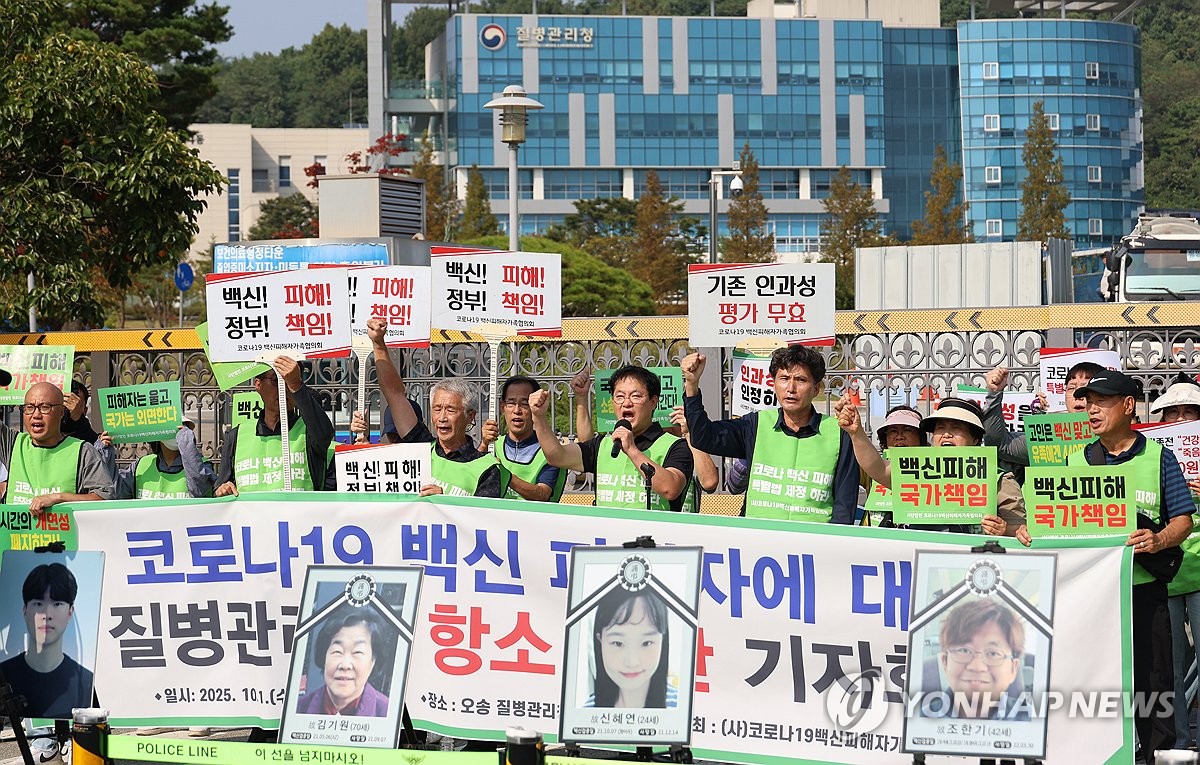
KDCA Cites Limitations in Study Linking COVID-19 Vaccine to Cancer Risk
Seoul, South Korea – The Korea Disease Control and Prevention Agency (KDCA) addressed concerns stemming from recently published research suggesting a potential link between COVID-19 vaccination and increased cancer incidence, stating on Wednesday that establishing a causal relationship is currently “difficult to prove.”
The KDCA explained that determining the mechanisms of cancer progress typically requires observation over several years, making conclusions based on a one-year post-vaccination study period premature. Agency officials also acknowledged widespread academic criticism of the study’s methodology, noting concerns about its limitations.
The research, published last month in Biomarker Research by a team led by Professor eunmi Cheon of Ewha Womans University Mokdong Hospital, analyzed data from approximately 8.4 million individuals between 2021 and 2023, utilizing National Health Insurance Corporation records. The study, adjusted for factors like vaccine type, gender, and age, indicated a possibly elevated risk of certain cancers - including a 69% higher risk of prostate cancer and a 53% higher risk of lung cancer – among vaccinated individuals compared to those unvaccinated. Increased risks for stomach, colon, and breast cancers were also reported.
However, the KDCA emphasized the established benefits of COVID-19 vaccination in preventing severe illness and death, citing a decline in abnormal cases during the 2024-2025 vaccination season to five cases per 100,000 peopel, with the majority being mild. The agency continues to recommend vaccination,particularly for high-risk groups.
KDCA spokesperson Ko Jae-young announced the upcoming rollout of simultaneous COVID-19 and influenza vaccinations for individuals aged 75 and older, beginning on the 15th.He assured the public that adverse reactions are not expected to exceed those typically associated with each vaccine individually and requested increased public guidance on the matter.
The research team themselves acknowledged the need for further inquiry to confirm a causal link between the vaccine and cancer incidence, stating their findings “suggest a link” but do not definitively prove one.
