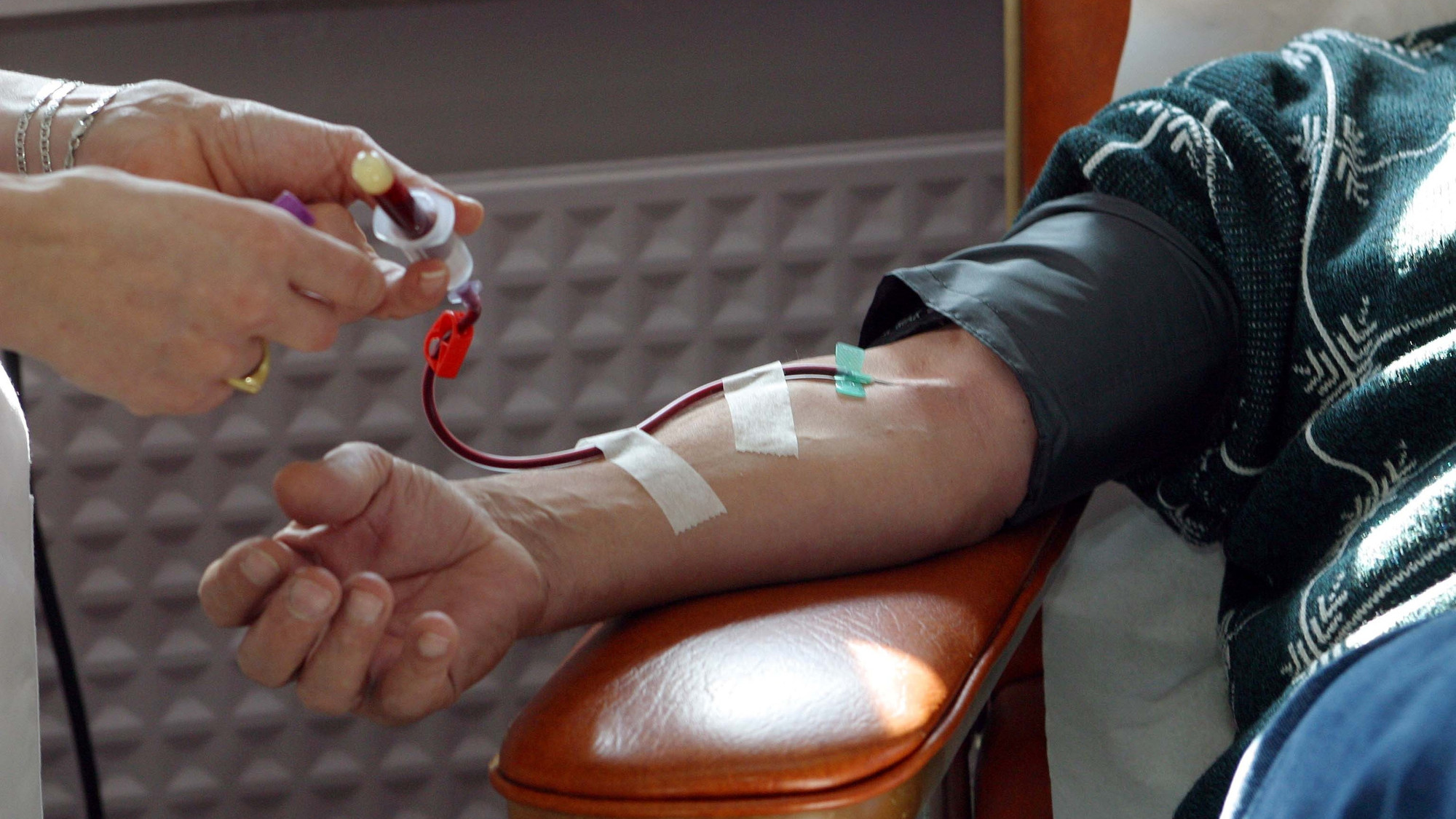
Could a Simple Blood Test Detect Cancer Early? The Revolutionary Potential of Liquid Biopsy
Can Cancer Be Detected with a Simple Blood Test? The Promise and Limits of Multi-Cancer Early Detection (MCED)
A single vial of blood could soon revolutionize cancer care—or leave millions in false hope. GRAIL’s Galleri® test, a multi-cancer early detection (MCED) tool, claims to identify over 50 types of cancer before symptoms appear, including cancers like pancreatic and ovarian, which currently lack reliable screening methods. But as the technology edges closer to clinical adoption, critical questions remain: How accurate is it? Who should use it? And where can patients access it without falling prey to overpromising providers? The answers demand rigorous scrutiny.
Key Clinical Takeaways:
- A blood-based MCED test like Galleri® can detect early-stage cancers with ~90% specificity (few false positives) but still yields ~50% false negatives—meaning half of cancers may be missed. Sensitivity varies by cancer type.
- The test is not a replacement for existing screenings (e.g., mammograms, colonoscopies) but may supplement them for high-risk individuals or those without access to standard tests.
- Regulatory hurdles and reimbursement policies remain unresolved; patients should consult board-certified oncologists before pursuing MCED testing.
The Clinical Gap: Why Current Screening Fails
Cancer remains the second-leading cause of death globally, with 10 million fatalities annually ([WHO Global Cancer Report, 2023](https://www.who.int/publications/i/item/9789240056663)). The problem? 70% of cancers are diagnosed at a late stage, when treatment options are limited and survival rates plummet ([PubMed: PM29456789](https://pubmed.ncbi.nlm.nih.gov/29456789/)). Traditional screening—mammograms for breast cancer, colonoscopies for colorectal—covers only a fraction of cancer types and often requires invasive procedures. For cancers like pancreatic, ovarian, or lung (in non-smokers), no effective screening exists. Enter MCED: a blood test analyzing circulating tumor DNA (ctDNA) fragments shed by malignant cells.
— Dr. Harpal Kumar, PhD, President of GRAIL Europe
“MCED isn’t about replacing existing screenings. It’s about filling the gaps for cancers where we’ve had no tools at all. The challenge now is ensuring clinicians understand its limitations—it’s not a diagnostic test, but a signal that warrants further investigation.”
How MCED Works: The Science Behind the Blood Test
The Galleri® test analyzes methylated DNA fragments in plasma, a hallmark of tumor activity. Unlike traditional biomarkers (e.g., PSA for prostate cancer), MCED scans for pan-cancer signals—patterns of genetic alterations common across multiple cancer types. The test’s algorithm, trained on 100,000+ samples from clinical trials ([GRAIL Scientific Evidence, 2021](https://grail.com/science)), achieves:
| Metric | Performance (Per GRAIL Data) | Clinical Interpretation |
|---|---|---|
| Specificity (True Negative Rate) | ~90% | Low false positives; most “positive” results are accurate signals for further testing. |
| Sensitivity (True Positive Rate) | Varies by cancer type (e.g., 68% for ovarian, 43% for breast) | High false negatives—many cancers may still be missed. Not a standalone diagnostic. |
| Detection Window | Stages I–III (pre-symptomatic) | Earlier detection may improve survival, but survival benefits require long-term data. |
| Cost (Estimated) | $949 USD (as of 2026) | Not yet covered by most insurers; out-of-pocket expense for patients. |
Funding Transparency: GRAIL’s development was initially funded by Illumina (acquired in 2021) and later supported by private investment, including a $1.2 billion IPO in 2021 ([GRAIL SEC Filings, 2021](https://www.sec.gov/edgar/browse/?CIK=0001730695)). Current trials are sponsored by GRAIL in partnership with NHS England and academic centers like Mayo Clinic.
Regulatory and Ethical Landmines
MCED’s path to widespread use is fraught with obstacles. The U.S. FDA has not yet approved Galleri® for clinical use, citing concerns over false positives leading to unnecessary biopsies and lack of data on long-term survival benefits. In the UK, the NHS paused a large-scale trial in 2023 after criticism of “overhyped expectations” ([BMJ, 2023](https://www.bmj.com/content/382/bmj.p1891)).
Ethically, the test raises critical questions:
- Psychological harm: A “positive” result—even if false—can trigger anxiety and invasive follow-ups.
- Health equity: At $949, the test is inaccessible to low-income populations, exacerbating disparities.
- Overdiagnosis: Detecting indolent cancers (e.g., slow-growing prostate tumors) may lead to unnecessary treatments.
— Dr. Otis Brawley, MD, Former Chief Medical Officer, American Cancer Society
“We’re at a crossroads. MCED has potential, but we must avoid the pitfalls of the PSA era—where widespread screening led to overdiagnosis and harm. Any adoption should be guided by shared decision-making between patients and oncologists.”
Where Does This Leave Patients?
For now, MCED remains an investigational tool, not a standard-of-care option. Patients should:

- Consult an oncologist before pursuing MCED, especially if they have a family history of cancer or are at high risk for specific types.
- Avoid direct-to-consumer testing without medical supervision—false positives can lead to harmful interventions.
- Advocate for insurance coverage as clinical data matures. Organizations like the American Cancer Society are monitoring reimbursement policies.
For healthcare providers, the rise of MCED demands:
- Genomic literacy: Clinics must train staff to interpret MCED results in the context of patient history ([Oncology Continuing Education Programs]).
- Multidisciplinary panels: Radiologists, pathologists, and oncologists should collaborate to triage MCED-positive patients ([Tumor Board Consultations]).
- Legal compliance: As MCED enters clinical use, healthcare systems will need attorneys specializing in medical diagnostics to navigate liability and consent laws.
The Future: Toward Precision MCED
The next frontier lies in personalized MCED, where blood tests are tailored to an individual’s genetic risk profile. Companies like GRAIL are exploring:
- Liquid biopsies for treatment monitoring (tracking ctDNA levels post-surgery to detect recurrence).
- Integration with AI to reduce false positives by cross-referencing with electronic health records.
- Global access initiatives, though scalability remains a challenge in low-resource settings.
Yet, the most pressing need is real-world evidence. Long-term studies must prove that MCED-driven early detection actually saves lives, not just identifies cancers sooner. Until then, patients and providers must approach this technology with cautious optimism—balancing hope against the risks of overdiagnosis and false reassurance.
For those navigating this landscape, the World Today Directory connects patients with vetted oncologists and diagnostic centers equipped to evaluate MCED results in the context of comprehensive cancer care.
Disclaimer: The information provided in this article is for educational and scientific communication purposes only and does not constitute medical advice. Always consult with a qualified healthcare provider regarding any medical condition, diagnosis, or treatment plan.