Coronavirus infections in the Netherlands have climbed to their highest level
Coronavirus infections in the Netherlands have climbed to their highest level since the pandemic, driven by a sevenfold increase in virus particles detected in sewage since October, NU reported.
- Sewage viral loads have surged sevenfold since October, according to NU.
- Acute respiratory infections reached 170 per 100,000 residents last week, up from 154 the previous week, RTV Focus reported.
- The prevalent XFG and PJ.2.1 variants continue to cause predominantly mild illness, according to Noordhollands Dagblad.
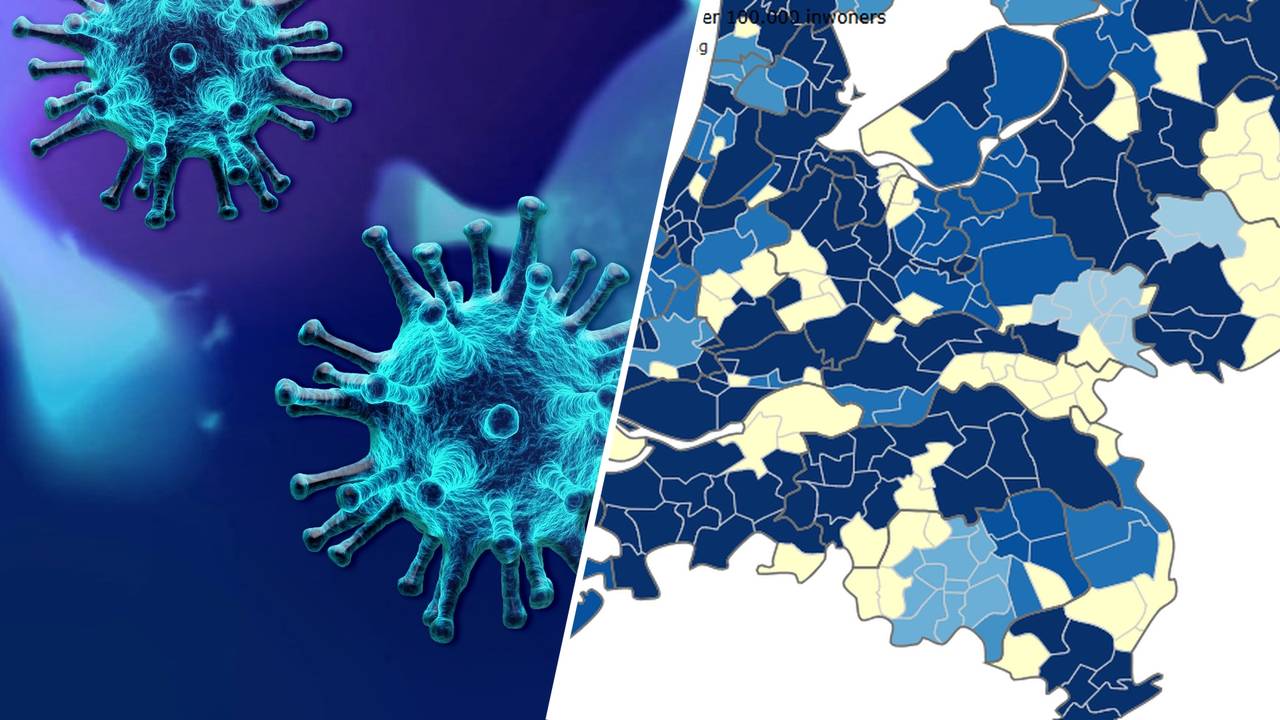
Public health monitoring by the Rijksinstituut voor Volksgezondheid en Milieu (RIVM) shows rising concentrations of the virus in laboratory testing and wastewater analysis. Across the country, regional maps from the health institute show widespread high concentrations, with Brabant turning dark blue on monitoring charts, Omroep Brabant reported.
RTV Focus said that acute respiratory infections at general practices rose to 170 per 100,000 inhabitants last week, compared with 154 a week prior. Laboratory testing of those consultations identified rhinovirus in 17 percent of cases, COVID-19 in 13 percent, influenza A and B in 12 percent, seasonal coronaviruses in 8 percent, and the RS-virus in 6 percent.
The dominant strains circulating are the XFG variant, which has been common since last summer, and a subvariant designated PJ.2.1, according to Noordhollands Dagblad. While the World Health Organization is closely monitoring the PJ.2.1 subvariant, it considers the public health risk to be low.
Despite the high viral load in wastewater, health authorities emphasize that the clinical picture remains mild. “The virus appears to give a predominantly mild clinical picture; the number of people visiting the general practitioner or lying in the intensive care unit is still low,” the RIVM said, as cited by NU.
Post-COVID patients face renewed concerns as the rising infection numbers threaten to worsen their existing chronic symptoms, according to Post-COVID NL. To safeguard vulnerable individuals, health guidance suggests staying home during illness, ensuring proper ventilation indoors, and wearing a well-fitting FFP2 face covering in crowded environments.
Public health advocates emphasize that community consideration helps prevent vulnerable citizens from feeling forced into further isolation. Families and workplaces are encouraged to discuss social activities and visiting arrangements to support a safer environment for those affected.
General practitioners are treating the current wave similarly to seasonal influenza, noting that formal testing is rarely necessary for routine recovery. “Also here, riding it out is best,” said Remon Hendriksen, a general practitioner in Best, told Omroep Brabant, adding that patients should contact their doctor if they experience shortness of breath, reduced urination, or recurring fever.