
The Curious Case of the Copilot+ PC: Is Microsoft Doubling Back on Its AI Strategy?
January 16, 2026 – For months, microsoft championed a future where every Windows 11 PC woudl be an “AI PC,” regardless of dedicated hardware. However, the fervor surrounding “Copilot+ PCs” at CES 2026 feels increasingly dissonant. The industry has finally delivered on the Neural Processing Unit (NPU) requirements Microsoft initially set, especially thanks to Intel’s advancements, yet Microsoft itself seems to be subtly shifting its focus. This raises a critical question: is the push for Copilot+ PCs chasing a strategy Microsoft has already begun to abandon?
The core of the confusion lies in Microsoft’s evolving approach to AI processing. While the initial vision centered on dedicated NPUs for on-device AI tasks, the company is now emphasizing the Windows AI Foundry, a platform designed to leverage the power of both GPUs and CPUs for AI applications – effectively sidelining the NPU as a necessity. This shift leaves many wondering if the current wave of NPU-focused hardware is arriving just as the underlying strategy changes.
The NPU Rollercoaster: From essential to optional
When Microsoft first unveiled the Copilot+ PC requirements, a minimum of 40 trillion operations per second (TOPS) of NPU performance was non-negotiable. This presented a important challenge for Intel,whose processors historically lagged behind competitors in dedicated AI hardware. Prior to 2025, many Intel-powered machines offered a mere 13 TOPS, while even the promising Lunar Lake processors, capable of 48 TOPS, faced limitations in overall performance. As noted in 2024, it truly felt like the “year of the AI PC” was still a distant promise for many users.
Though, CES 2026 tells a different story. Manufacturers proudly showcased updated laptops boasting Copilot+ certification, finally meeting the NPU requirements. But this achievement feels somewhat hollow given Microsoft’s changing tune.
Intel, AMD, and Qualcomm Race to Deliver
the pressure to meet Microsoft’s initial NPU demands spurred significant innovation. Intel’s Core Ultra Series 3 (Panther Lake) processors, unveiled at CES, feature a 50 TOPS NPU and promise improved multithreaded performance. While Lunar Lake offered Copilot+ compatibility, its limited multithreaded performance meant compromises were necessary, prioritizing battery life over raw power.
AMD is also entering the fray with its Ryzen AI 400 series,offering an NPU capable of 60 TOPS for both laptops and desktops. Qualcomm, a pioneer in this space with its Snapdragon X2 Elite and X2 Plus platforms (delivering up to 80 TOPS), continues to lead in NPU performance.
Despite thes advancements, a crucial question remains: will these NPUs truly matter? The current lack of widespread submission support for NPU-specific tasks casts doubt on their immediate value.
The Windows AI Foundry: A Shift in Focus
Microsoft’s unveiling of the Windows AI Foundry signals a significant strategic pivot.This new platform allows developers to build AI applications that leverage GPUs, CPUs, or NPUs, effectively removing the NPU as a strict requirement. This move replaces the Copilot Runtime, which previously mandated an NPU for Copilot+ PC features.
This suggests Microsoft is recognizing the limitations of relying solely on NPUs and is embracing a more flexible approach that utilizes existing hardware capabilities. It also implies that the initial emphasis on NPUs may have been premature,a gamble that didn’t quite pay off.
Copilot+ Features: Incremental Improvements, Not Revolutionary
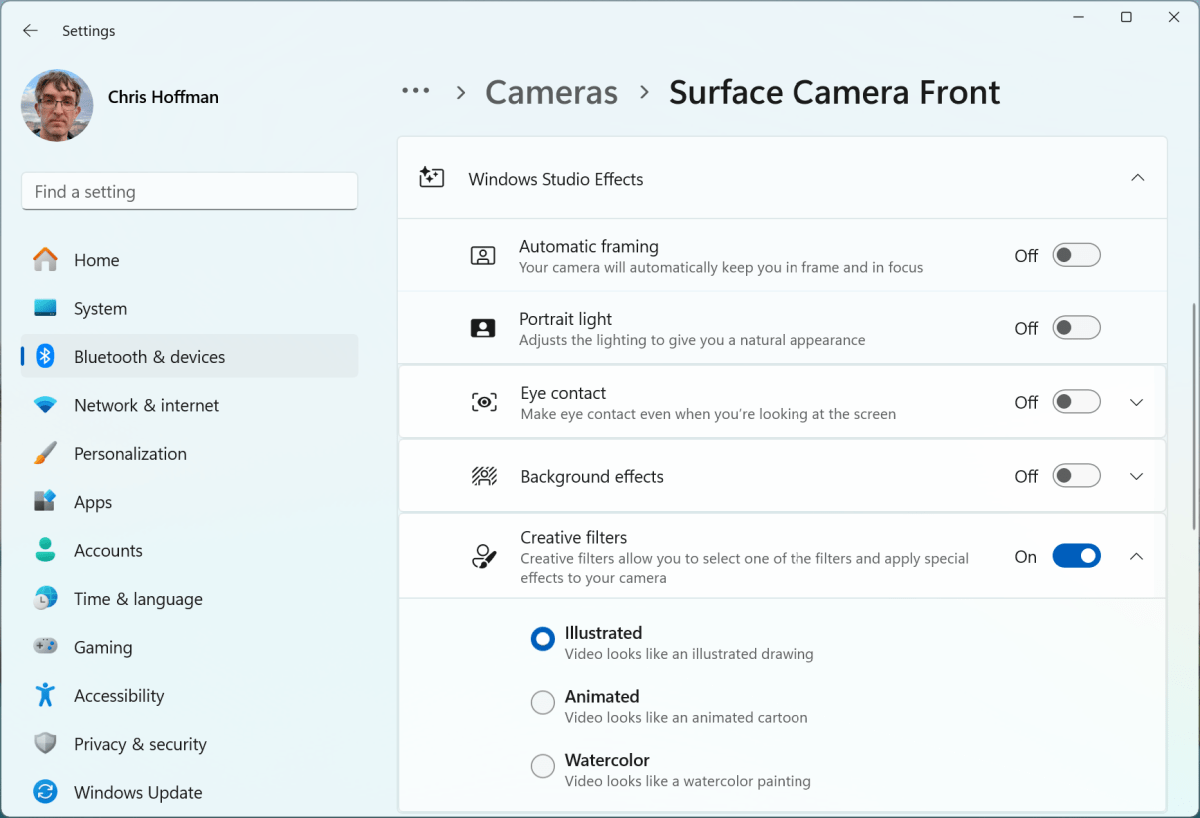
The actual benefits of Copilot+ PCs, as they stand today, are relatively modest. Features like Windows Studio Effects for webcam enhancements, image generation in the Photos app, Windows Recall for file searching, and Click To Do for basic text actions are useful, but hardly revolutionary.
The reality is, many users remain unaware of these features, as illustrated by a recent conversation with a Lyft driver who was still using a standard windows 11 installation. The lack of widespread adoption and the limited impact of Copilot+ features raise concerns about the overall value proposition.
The Future of AI on Windows: A GPU-Centric Approach?
Microsoft’s initial ambition to make every Windows 11 PC an “AI PC” remains, but the path to achieving that goal appears to be changing. The company now seems to be prioritizing broader accessibility and leveraging existing hardware, rather than focusing exclusively on NPUs.
It’s increasingly likely that future Windows 11 updates will deliver Copilot+ features to a wider range of devices, utilizing GPUs to power tasks like image generation and text summarization. This approach would be more inclusive and avoid creating a fragmented ecosystem based on specific hardware requirements.
Microsoft’s initial insistence on NPUs for Copilot+ features now seems misguided. Even a high-end $3,000 gaming PC, equipped with a powerful discrete GPU, is unable to run these features, highlighting the disconnect between Microsoft’s vision and the capabilities of existing hardware.
Key Takeaways:
* Microsoft is shifting its AI strategy away from a strict reliance on NPUs.
* The Windows AI Foundry will enable AI applications to run on GPUs, CPUs, and NPUs.
* Current Copilot+ PC features offer incremental improvements, not a transformative experience.
* the future of AI on Windows likely lies in leveraging the power of GPUs and CPUs for broader compatibility.
The industry’s rush to embrace NPUs at CES 2026 feels like a response to a challenge Microsoft is no longer prioritizing. While dedicated AI hardware undoubtedly has a role to play, the focus should be on delivering tangible AI benefits to all Windows 11 users, regardless of their hardware configuration. The question now is whether Microsoft can effectively communicate this revised vision and steer the industry towards a more lasting and inclusive AI future.
