CONICET Study: Protein Mutation Reduces Antibiotic Effectiveness
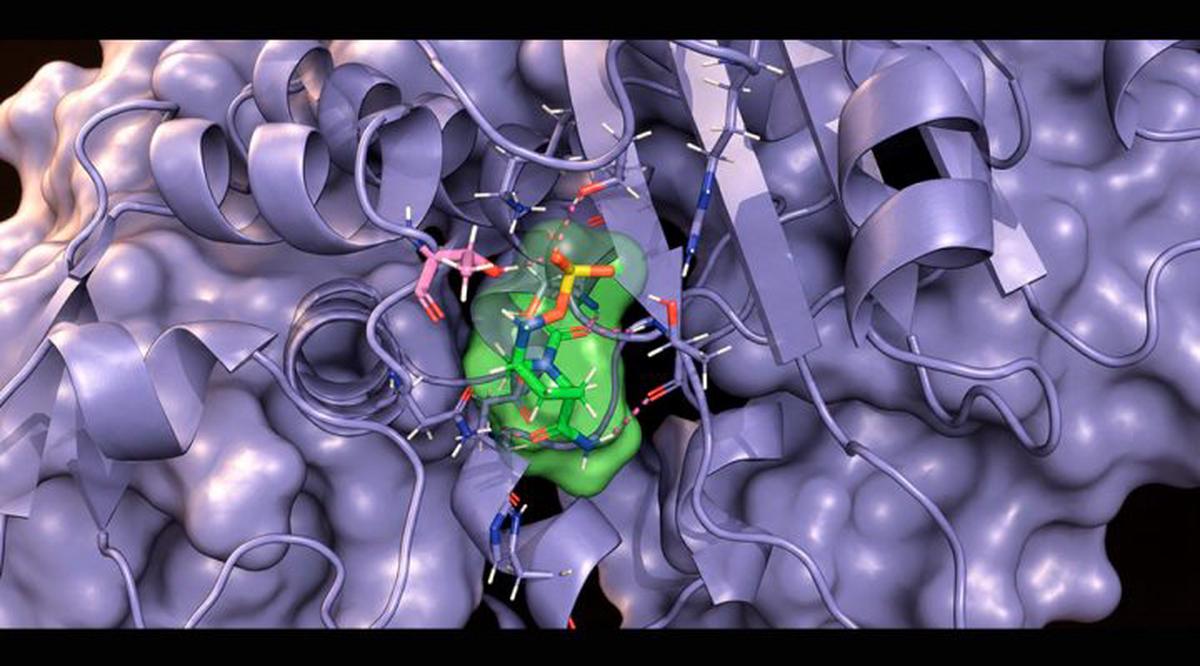
Bacterial pathogens are adapting in ways that render modern combination therapies significantly less effective, according to a study led by researchers at the National Scientific and Technical Research Council (CONICET) in Argentina alongside colleagues in the United States. Published in Antimicrobial Agents and Chemotherapy, a publication of the American Society for Microbiology, the findings reveal how a single amino acid alteration in an antibiotic-resistance enzyme diminishes the clinical efficacy of advanced beta-lactamase inhibitors.
- A single amino acid shift in the beta-lactamase enzyme PER-14 severely reduces the pathogen-blocking efficacy of modern inhibitors avibactam and relebactam.
- Antimicrobial resistance currently causes at least 700,000 deaths annually worldwide, with projections estimating it could surpass cancer and neurodegenerative diseases by 2050 if current trends persist.
- The enzyme variant was originally detected in Argentina within an isolation of Raoultella ornithinolytica, part of the Enterobacterales order that includes clinical threats such as Escherichia coli and Klebsiella pneumoniae.
Enzyme Mutations and Selection Pressure in Clinical Settings
The research focuses on the molecular mechanisms that bacteria deploy to survive standard pharmacological interventions. Specialists of CONICET and colleagues from the United States identified a mechanism that can increase the resistance of certain pathogenic bacteria when they are addressed by therapies based on the combination of antibiotics and inhibitors. These genes synthesize beta-lactamase proteins, acting as a defensive defense system designed to destroy or inactivate widely prescribed antibiotics such as penicillins and cephalosporins.
Intensive use of antibiotics in hospitalized patients, unnecessary use, self-medication, and other factors increase the selection pressure that favors the survival and multiplication of clinical pathogenic bacteria possessing modifications in genes that dictate the production of more specialized resistance mechanisms, becoming more resistant.

Modified Bacteria Cause Diverse Infections in High-Risk Patients
The implications of this enzymatic modification extend across multiple high-risk bacterial groups. Melina Ruggiero, first author of the study and an IBaViM researcher at CONICET, detailed the clinical scope of these pathogens, explaining that these bacteria can cause urinary, respiratory, wound, or bloodstream infections, especially in hospitalized people or those with other health problems, and can be transmitted by contact, for example, through hands, surfaces, or contaminated devices, while in other cases bacteria that form part of the intestinal microbiota can cause an infection if they reach other parts of the organism.
The enzyme PER-14 was first identified in Argentina during a global surveillance initiative (INFORM 2012–2017) published in 2021 within the Journal of Global Antimicrobial Resistance, where it appeared in an isolation of Raoultella ornithinolytica. Beyond Enterobacterales such as Escherichia coli and Klebsiella pneumoniae, similar enzymes appear within hard-to-treat hospital pathogens including Pseudomonas aeruginosa and Acinetobacter baumannii. Melina García Alonso, a UBA stimulus fellow at IBaViM, emphasized in source coverage that PER-14 differs from PER-2 in a single amino acid, and that this small change was enough to very markedly reduce the efficacy of two modern inhibitors, highlighting how subtle genetic shifts can dramatically undermine modern therapeutic combinations.
Drug-Resistant Infections Could Lead Global Mortality by 2050
Public health institutions face mounting pressure as resistant strains proliferate globally. CONICET reported that antimicrobial-resistant infections currently claim at least 700,000 lives annually on a global scale. Predictive models indicate that without substantial interventions in antimicrobial stewardship, drug-resistant infections could become a leading cause of global mortality by 2050, outpacing both cancer and neurodegenerative disorders.
Researchers indicate that mapping these structural enzyme changes provides a direct roadmap for the design of next-generation inhibitors. By identifying exact genetic markers associated with inhibitor evasion, clinical laboratories can enhance surveillance protocols to detect emerging resistant strains in patient samples early in the infection cycle.