
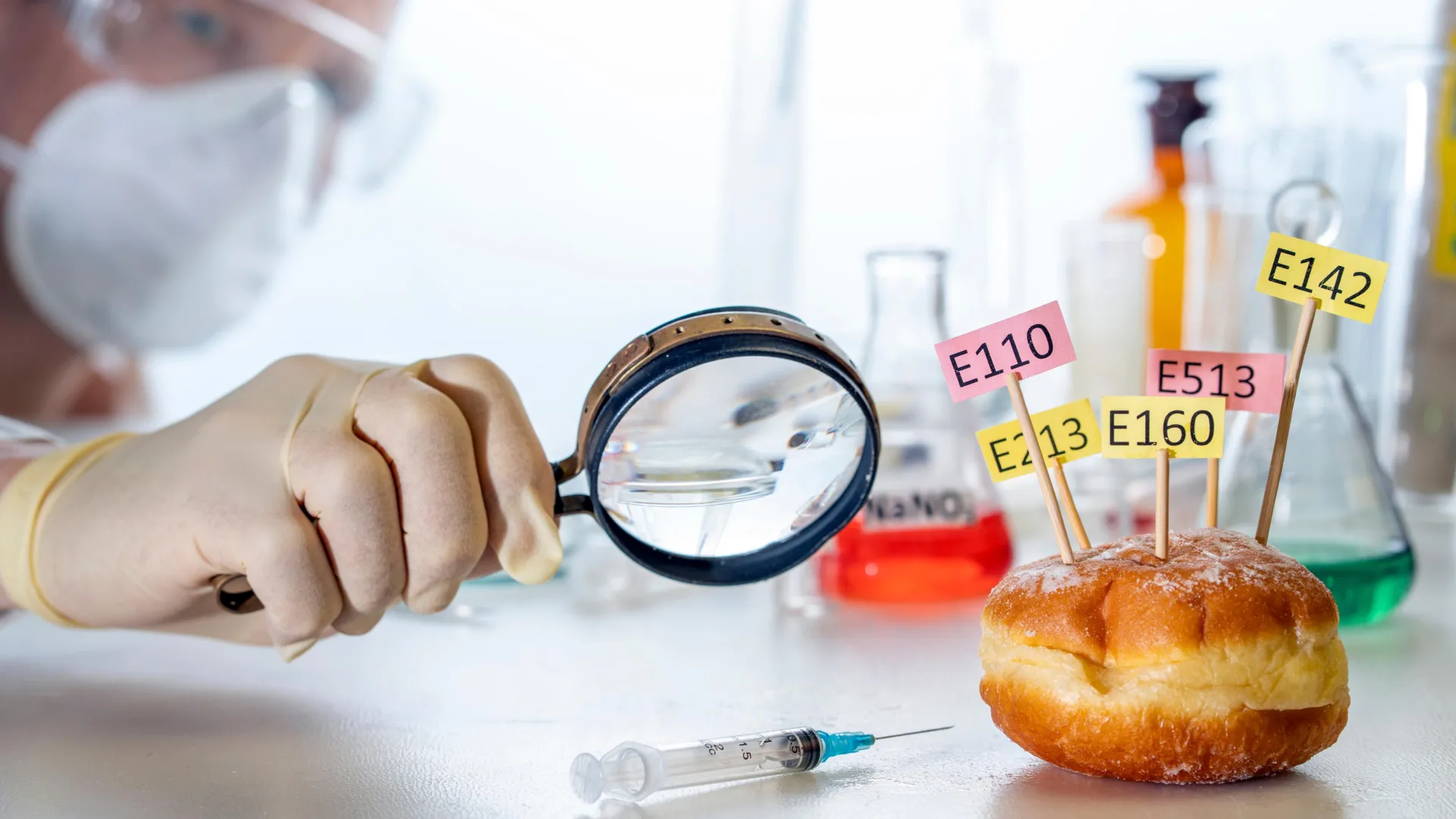
Food Preservatives and Cancer Risk: What the Latest research Reveals
A large study from France, published by The BMJ, reports that higher consumption of food preservatives may be linked to a slightly increased risk of developing cancer. These additives are commonly found in industrially processed foods and drinks, used to extend shelf life. While more research is needed, the findings prompt a re-evaluation of current safety standards.
Why Preservatives Are Under Scrutiny
Food preservatives play a crucial role in preventing spoilage and extending the usability of packaged foods. However, laboratory studies have indicated that certain preservatives can cause cellular and DNA damage. until now, concrete evidence linking these additives to cancer risk in real-world scenarios has been limited.
The Need for Real-World Evidence
Previous research primarily focused on the effects of preservatives in controlled laboratory settings. This new study aimed to bridge the gap by examining the correlation between preservative exposure and cancer incidence in a large population over an extended period.
A Large and Detailed Long-Term Study
Researchers analyzed dietary and health data from 105,260 participants (average age 42 years; 79% women) who were part of the NutriNet-Santé cohort. Participants, all cancer-free at the study’s outset, meticulously recorded their 24-hour dietary intake – including specific brands – for an average of 7.5 years.
Key Study Details
- Participants: 105,260 adults aged 15+
- Duration: Data collected between 2009 and 2023, with follow-up through December 31, 2023
- Data Collection: Detailed, brand-specific 24-hour dietary records
- Cancer Tracking: Health questionnaires, medical records, and death records
What the Study Found
the study revealed a statistically meaningful, albeit small, association between higher intake of food preservatives and an increased risk of overall cancer. Specifically, higher consumption of additives commonly used in processed foods was linked to a slightly elevated risk.
Specific Findings
Researchers identified specific food additives that appeared to be associated with increased cancer risk. Further examination is needed to determine the exact mechanisms and the extent of the risk associated with each additive.
Important Considerations and Next Steps
The researchers emphasize that this study demonstrates an association, not causation. This means that while a link was observed, it doesn’t definitively prove that preservatives cause cancer. Other factors, such as overall diet, lifestyle, and genetics, likely play a role.
The findings underscore the need for further research to fully understand the potential risks associated with food preservatives. This includes investigating the specific mechanisms by which these additives might contribute to cancer progress and re-examining current safety regulations.
What this Means for Consumers
While the increased risk is small, consumers may want to consider reducing their intake of highly processed foods that contain numerous additives. Focusing on a diet rich in whole, unprocessed foods is generally recommended for overall health.
Key Takeaways
- A large study suggests a possible link between food preservative consumption and a slightly increased cancer risk.
- the study highlights the need for further research to confirm these findings and understand the underlying mechanisms.
- Consumers may want to limit their intake of highly processed foods containing numerous additives.
- Current safety standards for food preservatives may need to be re-evaluated.
