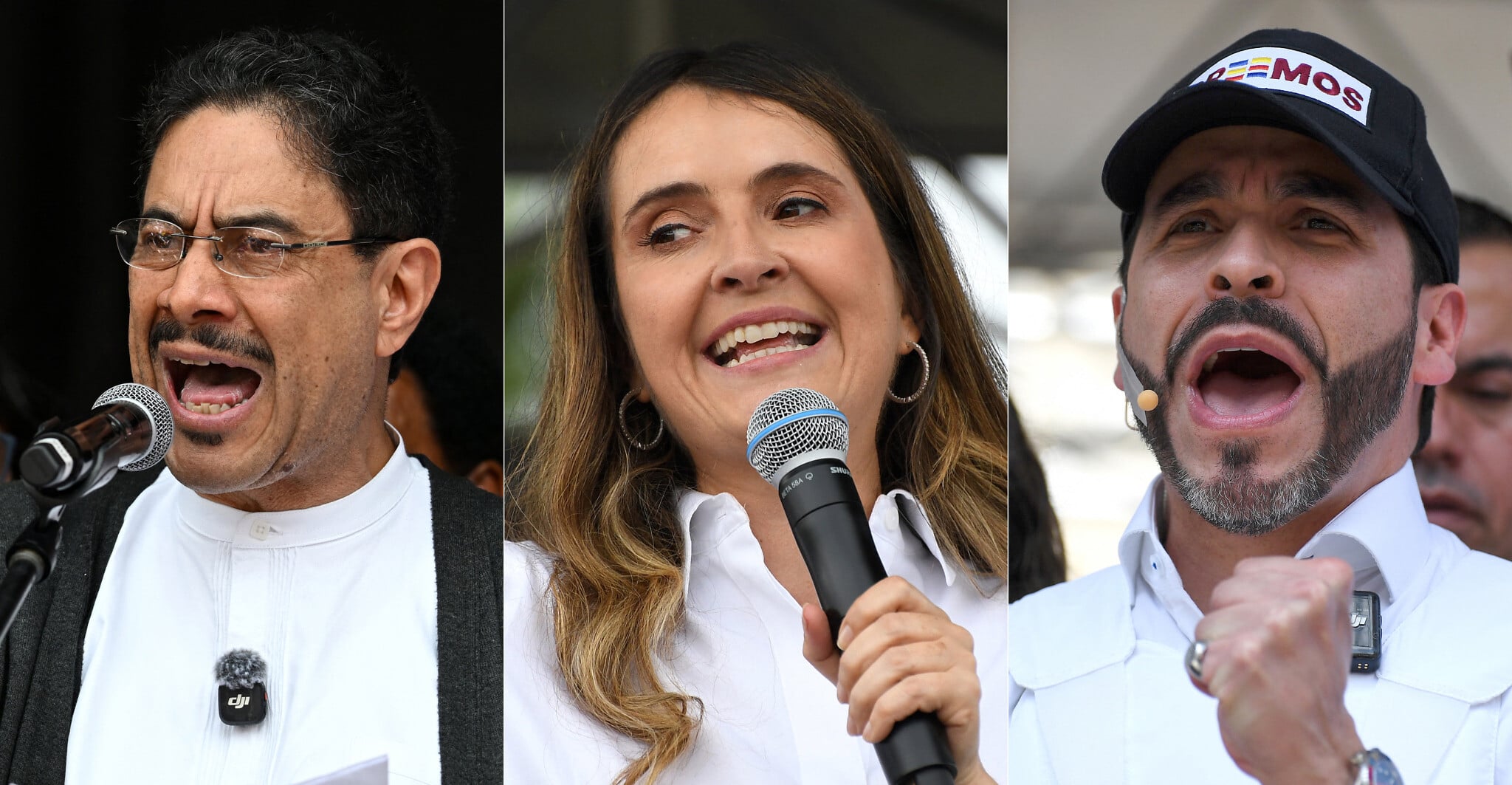
Colombian Election: Pro-Israel Candidates Challenge Anti-Israel Frontrunner
As of May 31, 2026, Colombia stands at a pivotal geopolitical crossroads as voters head to the polls. The election pits frontrunner Cepeda, who advocates maintaining the incumbent Petro administration’s severance of ties with Israel, against challengers De La Espriella and Valencia, both of whom have pledged to restore the strategic alliance.
The stakes for the South American nation extend far beyond symbolic diplomacy. The outcome will dictate the trajectory of Colombia’s defense procurement, regional trade agreements, and its standing within the Organization of American States (OAS). For international stakeholders, this is not merely a contest of personalities. it is a referendum on whether Bogotá will continue its pivot toward the Global South or return to its traditional role as a Western-aligned security partner.
The Petro Legacy and the Diplomatic Divide
President Gustavo Petro’s decision to formally break diplomatic relations with Israel in May 2024—citing the humanitarian crisis in Gaza—marked a radical departure from decades of Colombian foreign policy. While the move resonated with his base, it created significant friction within the military establishment and among the private sector players who rely on Israeli defense technology and agricultural expertise.

Cepeda, the ideological successor to the Petro platform, argues that Colombia must prioritize human rights-based diplomacy over traditional security pacts. However, critics contend this stance ignores the pragmatic reality of the Andean nation’s security infrastructure. Colombia’s military has long utilized Israeli-made Kfir fighter jets and advanced intelligence systems, creating a dependency that cannot be easily unwound without significant budgetary volatility.

The diplomatic rupture was not just a political statement; it was an administrative earthquake for our security sector. We are now seeing a scramble to find alternative maintenance protocols for essential hardware.
This sentiment, expressed by a senior policy analyst in Bogotá who requested anonymity due to the sensitivity of the electoral climate, highlights the underlying tension. Businesses operating in sensitive sectors, particularly those relying on bilateral government contracts, are currently seeking guidance from specialized international trade attorneys to navigate the potential for sudden regulatory shifts.
Macro-Economic Ripples and Security Infrastructure
The divide between the candidates is stark when viewed through the lens of economic stability. A return to a pro-Israel stance, as proposed by De La Espriella and Valencia, would likely signal a pivot back toward traditional Western investment corridors. Conversely, a victory for the current establishment would likely deepen the existing trend of pursuing trade diversification in Asia and Latin America.
For the average Colombian, the election is tethered to the price of fuel and the stability of the peso. The World Bank has previously noted that fiscal uncertainty is the primary driver of capital flight in the region. When national policy shifts so violently between administrations, the burden often falls on local infrastructure projects, which suddenly find their international funding pipelines in jeopardy.
Entities involved in large-scale logistics and cross-border trade are increasingly looking for stability in an unpredictable environment. Many are turning to regional chambers of commerce and trade advocacy groups to lobby for consistent economic policies, regardless of which candidate secures the presidency.
The Technological and Defense Conundrum
The reliance on Israeli technology is not limited to defense. Colombia’s agricultural sector, a pillar of its GDP, has benefited significantly from Israeli irrigation technology and desert-farming expertise. The current diplomatic freeze has hampered the transfer of this technical knowledge, leaving many agribusiness owners in a state of limbo.

The following table outlines the current divergence in foreign policy priorities among the major candidates:
| Candidate | Stance on Israel | Primary Policy Focus |
|---|---|---|
| Cepeda | Maintain severance | South-South integration |
| De La Espriella | Restore full ties | Western security alliance |
| Valencia | Restore full ties | Regional economic stability |
For those in the private sector, the primary challenge is continuity. As highlighted by the U.S. Department of State Investment Climate Statements, political volatility remains a top concern for foreign investors in Colombia. Companies struggling to maintain international compliance amidst shifting diplomatic winds are increasingly engaging corporate risk management firms to insulate their supply chains from political fallout.
Navigating the Path Forward
Regardless of the winner, the next administration will inherit a deeply divided electorate and a strained bureaucratic apparatus. The challenge for the new president will be to balance ideological commitments with the hard-nosed necessity of maintaining a functioning state. The “Information Gap” in this election remains the lack of a clear contingency plan for the potential total collapse of security cooperation with Western allies.
The ballot box today is not just choosing a leader; it is choosing a geopolitical identity. The decision will echo in our defense budgets and our export markets for the next four years.
As the polls close and the counting begins, the international community will be watching the Colombian peso and the regional security indices closely. For those operating within this jurisdiction, the period of transition will be critical. Securing the counsel of local administrative consultants and legal experts is no longer an optional precaution; it is a necessity for anyone looking to maintain operational continuity in the face of such high-stakes political shifts.
History suggests that elections in this region rarely provide definitive closure. Instead, they often mark the beginning of a new, complex chapter of legislative maneuvering and policy re-alignment. As Colombia decides its future, the ripple effects will be felt across the continent, serving as a reminder that in the modern global economy, no nation can afford to act in isolation.