
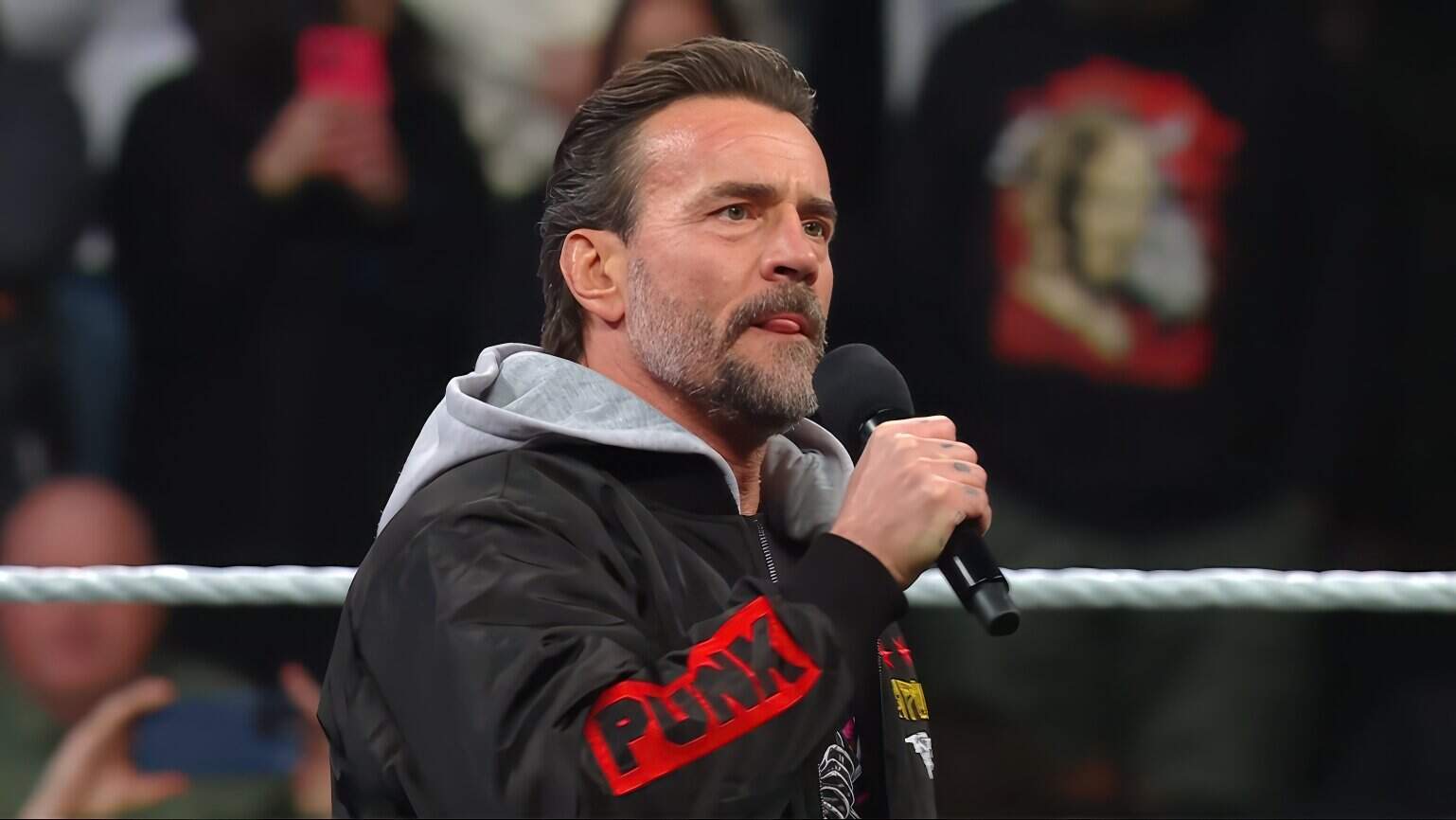
CM Punk on WWE’s “Unreal”: Balancing Reality, Privacy, and the Humanization of Superstars
CM Punk, the highly-regarded and often outspoken WWE Superstar, has shared his complex feelings about the company’s backstage reality series, “Unreal,” ahead of it’s second season. While acknowledging the show’s quality and its ability to humanize wrestlers, Punk expressed discomfort with the constant presence of cameras and his purposeful efforts to maintain a degree of privacy. This candid discussion, stemming from an interview on the Notsam Wrestling podcast,offers a captivating glimpse into the challenges of portraying professional wrestling in an increasingly “reality” focused format.
the Intrusive Nature of Reality TV in Wrestling
The core of Punk’s reservations lies in the inherent invasiveness of the filming style. “I share the sentiment with a few guys on the roster. I’m not super thrilled about it,” he confessed, highlighting that his feelings aren’t isolated. The world of professional wrestling, while built on performance, also demands a level of personal space and control. The constant documentation of backstage interactions, even seemingly mundane moments, can be jarring for performers accustomed to a more guarded environment.
This isn’t a new debate.The rise of reality television has consistently raised questions about the boundaries between public and private life. in the context of professional wrestling, where performers cultivate personas and storylines, the line becomes even more blurred. “Unreal” aims to pull back the curtain, but at what cost to the individuals involved? Punk’s response suggests a desire to participate on his own terms, actively avoiding situations he deems overly intrusive.
Punk’s active Avoidance of Filming
Punk didn’t simply voice his concerns; he actively worked to mitigate the impact of the cameras on his personal experience. He revealed he repeatedly declined requests for sit-down interviews for the upcoming season. “I know they’re asking me to do an interview for it… and I kept saying, ‘no, no, I’m not gonna be [there],’” he recounted. “And we never did the interview. So I don’t know if that means I’m not in it, but I also, like, there’s a camera in my face everywhere I go, so I’m sure I’ll pop up.”
This proactive approach – physically removing himself from filming situations – demonstrates a clear boundary.Rather than engaging in conflict with production, Punk opted for a simple, direct solution: “If I don’t want them to shoot something, I just go, ‘don’t shoot it right?’ Or, ‘I know there’s cameras waiting here. I’ll go walk somewhere else.’” This strategy highlights a level of control and self-awareness that is characteristic of Punk’s career. He understands the demands of the business but also prioritizes his own comfort and boundaries.
The Value of “Unreal” – Humanizing the Larger-Than-Life
Despite his personal reservations, Punk is not dismissive of the show’s value. He specifically praised the first season for its ability to reveal the human side of WWE’s biggest stars. “I watched the first season, and I really, really liked it, because I thought it kind of brought a human element to like Charlotte [Flair] or Rhea [Ripley], or even me, to an extent,” he said.
This is a crucial point.Professional wrestling often presents performers as larger-than-life characters, embodying archetypes of heroism and villainy. “Unreal” offers a counterpoint, showcasing the individuals *behind* the personas – their vulnerabilities, their struggles, and their everyday lives. This can foster a deeper connection between fans and performers, moving beyond simple admiration for in-ring skills to a more nuanced understanding of the people involved.The show, in this sense, can be a powerful tool for storytelling, adding layers of complexity to the already intricate world of professional wrestling.
A Critique of the Critics: The Paradox of Consumption
Punk didn’t shy away from addressing those who criticize the show while together consuming it. He offered a pointed rebuke to those who complain about “Unreal” but continue to watch and discuss it. “Nobody’s got a gun to your head, right? You don’t got to watch it,” Punk argued. “Why are you commenting? ‘I hate this. I hate this so much. Tomorrow I’m gonna review season two.’ Don’t.”
This observation touches on a broader cultural phenomenon: the tendency to engage with content we claim to dislike. The internet allows for instant and widespread criticism, and it’s easy to voice opinions without necessarily altering our behavior. Punk’s comment is a challenge to this hypocrisy, suggesting that if someone genuinely dislikes a show, the logical response is to disengage, not to continue consuming and critiquing it.
Looking Ahead: The future of Reality in Wrestling
CM Punk’s comments offer a valuable perspective on the evolving relationship between professional wrestling and reality television. As WWE continues to explore new ways to connect with its audience, the question of how much access to grant – and at what cost – will remain a central debate. “Unreal” represents a bold experiment, and its success will likely shape the future of backstage storytelling in the industry. The balance between providing compelling content and respecting the privacy of performers is a delicate one,and Punk’s experience highlights the challenges involved. Ultimately, the goal should be to create a show that is both entertaining and ethical, one that enhances the fan experience without compromising the well-being of those who bring the spectacle to life.
