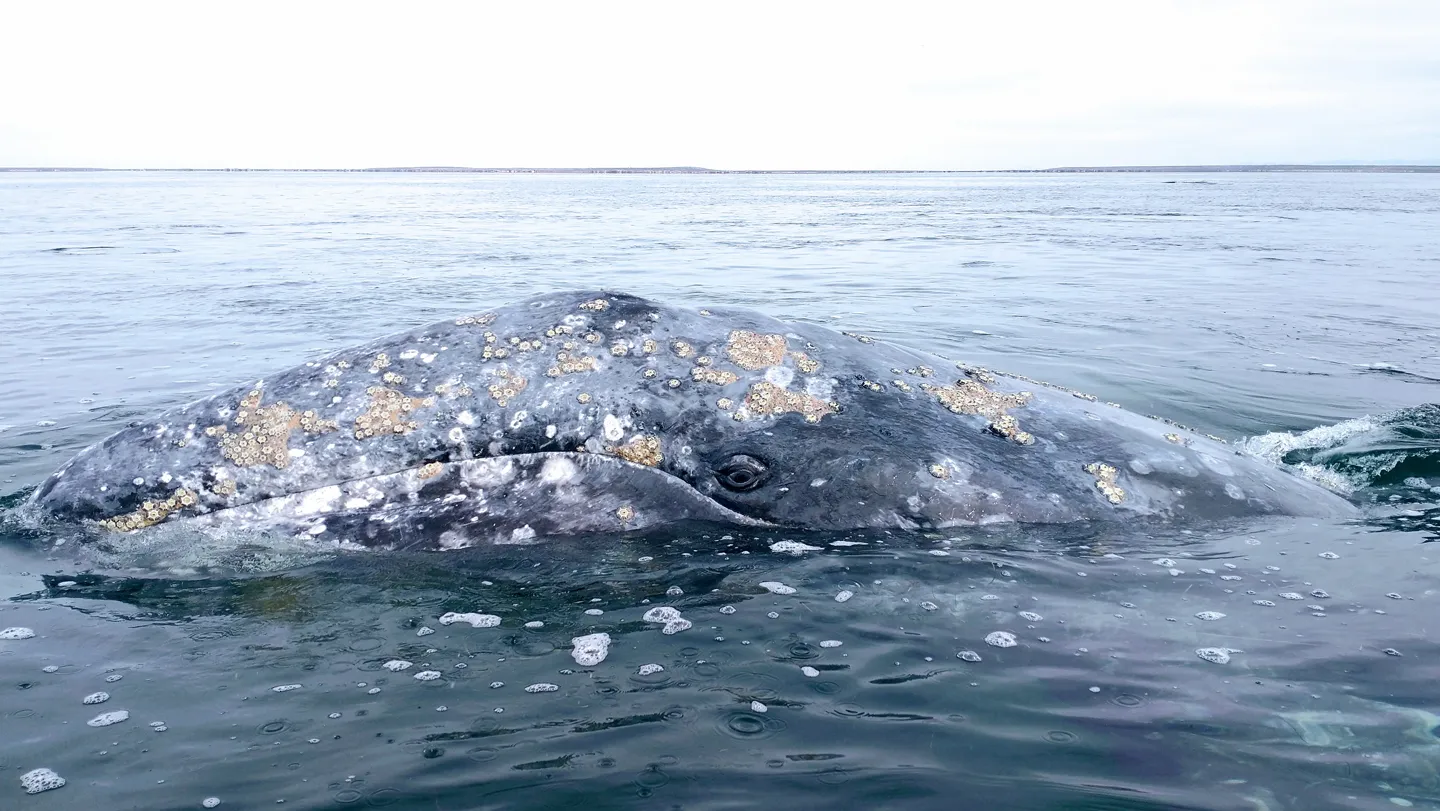
Climate Change Linked to Rising Gray Whale Deaths in San Francisco Bay
The San Francisco Bay, long a bustling hub of global commerce, has unexpectedly become a lethal waypoint for gray whales. Recent data reveals a harrowing trend: nearly one in five gray whales that enter these waters never leave them, driven into a high-traffic bottleneck by the pressures of a changing climate.
Key Clinical Takeaways:
- Approximately 18% of photo-identified gray whales entering San Francisco Bay between 2018 and 2025 died within the region.
- Climate-driven food scarcity in the Arctic is forcing whales to deviate from their 16,000-kilometer migration to forage in urban waterways.
- Vessel strikes and starvation are the primary drivers of morbidity and mortality in this specific population.
The biological imperative of the gray whale (Eschrichtius robustus) is defined by one of the longest migrations of any mammal, stretching 16,000 kilometers from the nutrient-rich Arctic to the mating lagoons of Baja Mexico. Historically, this journey was largely nonstop. However, a shift in Arctic food availability—linked to the accelerating climate crisis—has altered this behavior, forcing hungry whales to make opportunistic “pit stops” to forage. San Francisco Bay has emerged as a primary, albeit dangerous, destination for these foraging efforts.
This epidemiological shift was quantified in a study published April 13, 2026, in Frontiers in Marine Science. Researchers from the Marine Mammal Center and the California Academy of Sciences analyzed a massive dataset of 100,000 photographs taken between 2018 and 2025. By identifying 114 unique individuals that visited the bay, the team established a baseline to measure survival rates. The findings are stark: 21 of these photo-identified whales were matched to documented carcasses, representing a minimum mortality rate of 18%.
The true toll is likely higher. Of the 70 carcasses documented in the region, 49 were too decomposed for photo-identification, yet their proximity to the bay suggests they also succumbed to the hazards of the area. The pathogenesis of these deaths is twofold. Whereas some whales are simply too starved to survive the journey, a significant portion of the mortality is attributed to acute trauma from vessel strikes.
“Gray whales have a low profile to the water when they surface, and this makes them difficult to witness in conditions like fog which are common to San Francisco Bay,” explained Josephine Slaathaug of Sonoma State University, lead author of the study. “San Francisco Bay is a highly trafficked waterway, and the Golden Gate Strait serves as a bottleneck through which all traffic and whales must enter and exit.”
The Golden Gate Strait creates a geographical pinch point where the probability of a vessel-whale collision increases exponentially. When combined with the region’s frequent fog, the result is a high-risk environment for mammals already weakened by nutritional stress. The case of TMMC-1-91, known as “Ladybug,” serves as a poignant example of this risk. the whale was documented swimming in the central bay before eventually dying.
Managing the intersection of critical wildlife migration and industrial shipping requires specialized oversight. For organizations managing maritime logistics or coastal development, mitigating these risks is no longer optional but a regulatory necessity. Companies are increasingly engaging environmental compliance attorneys to navigate the evolving legal frameworks surrounding marine mammal protection and vessel speed restrictions.
The clinical analysis of these deaths relies heavily on the work of specialists who can differentiate between starvation and blunt force trauma. The process of necropsy on a whale carcass is a complex forensic operation. To ensure accuracy in cause-of-death reporting, research institutions often collaborate with board-certified veterinary pathologists who can analyze tissue samples and bone fractures to confirm vessel strike injuries.
The data indicates a worrying lack of site fidelity or survival; of the 114 whales identified, only four were seen in more than one year between 2018 and 2025. This suggests that for the vast majority of gray whales, a trip into San Francisco Bay is a one-time event that frequently ends in death. The pattern mirrors a similar trend observed in the late 1990s, suggesting that gray whale populations are highly sensitive to Arctic food fluctuations, which trigger these desperate foraging excursions.
Addressing this crisis requires a multidisciplinary approach combining marine biology, climate science, and urban planning. As the climate crisis continues to alter the distribution of prey species in the Arctic, the frequency of these “pit stops” may increase. This trajectory necessitates a more robust monitoring system and potentially stricter traffic controls within the Golden Gate Strait to reduce the mortality rate.
For those dedicated to the conservation and health of marine megafauna, the integration of real-time tracking and acoustic monitoring is essential. Practitioners and researchers seeking to implement these systems should consult with vetted marine mammal specialists to develop protocols that minimize human-wildlife conflict in high-traffic corridors.
The tragedy of the gray whales in San Francisco Bay is a sentinel event, signaling how climate-driven nutritional stress can lead animals into anthropogenic traps. The 18% mortality rate is not just a statistic; it is a clinical indicator of a species in distress, struggling to adapt its ancient migration routes to a rapidly changing planet. Future research must now focus on whether these foraging behaviors can be managed or if the Bay will remain a deadly detour for the Arctic’s great wanderers.
Disclaimer: The information provided in this article is for educational and scientific communication purposes only and does not constitute medical advice. Always consult with a qualified healthcare provider regarding any medical condition, diagnosis, or treatment plan.